

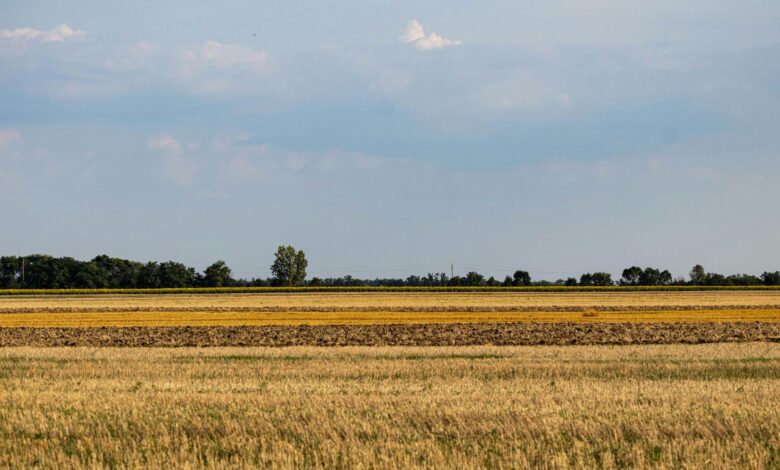
Investment funds are quietly assembling massive agricultural portfolios across the Midwest, targeting prime farmland as inflation hedges and alternative assets gain favor among institutional investors. Major players including Nuveen, Gladstone Land Corporation, and Farmland Partners have deployed billions into row crop properties spanning Illinois, Iowa, Nebraska, and Indiana during the past two years.
The shift marks a fundamental change in agricultural ownership patterns that have remained stable for generations. Family farms that once passed between relatives now attract sophisticated capital seeking steady returns and portfolio diversification. Farmland prices have surged accordingly, with Iowa cropland averaging $11,700 per acre in 2024, up from $9,400 just three years earlier.
Institutional Capital Floods Agricultural Markets
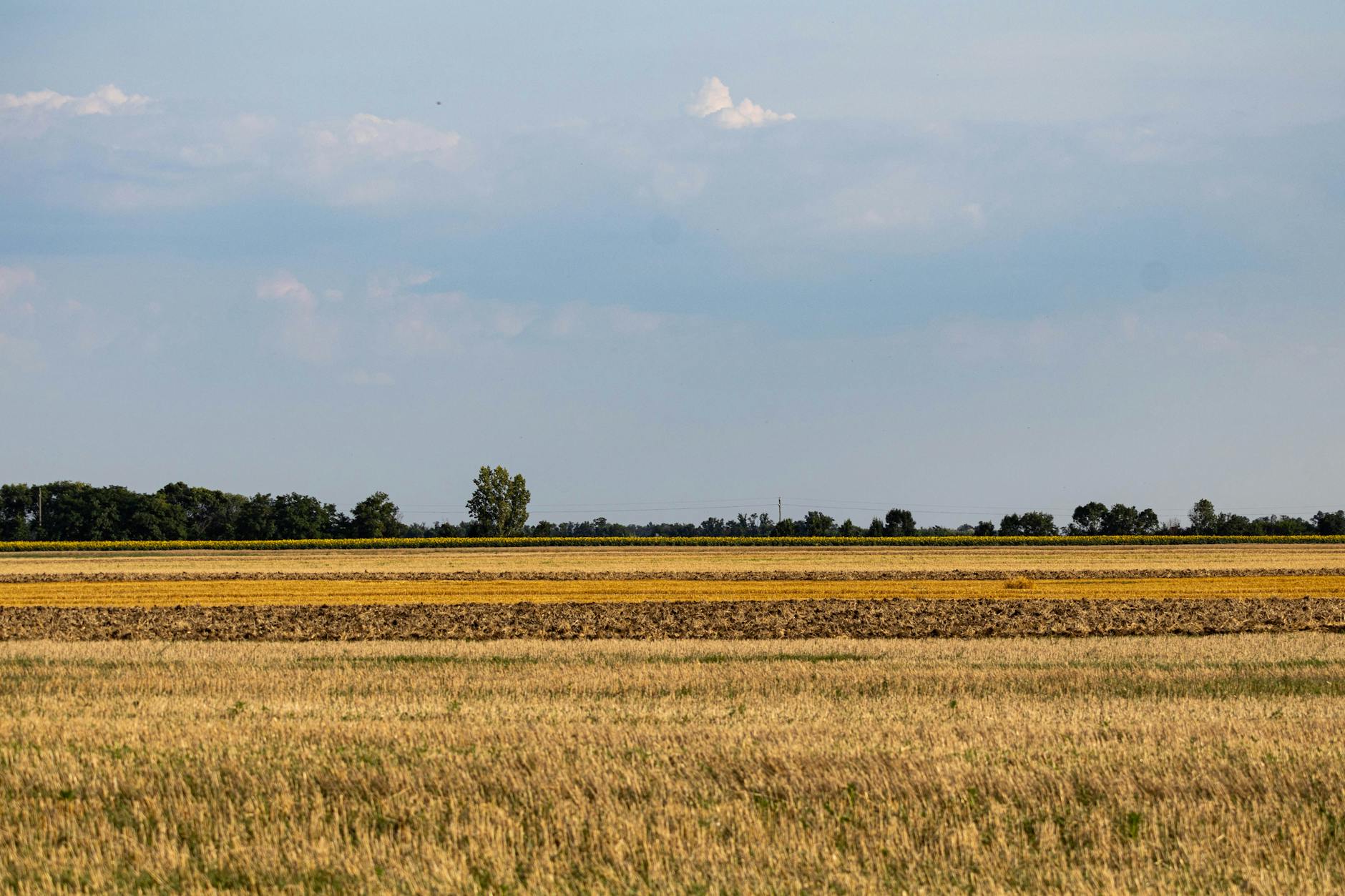
Private equity firms and real estate investment trusts have identified Midwest farmland as an undervalued asset class with compelling fundamentals. Unlike commercial real estate or technology stocks, agricultural land produces essential commodities with inelastic demand. Population growth and dietary changes in developing nations continue driving grain consumption higher while arable land remains finite.
Nuveen Natural Capital manages over $8 billion in farmland investments through its agriculture division, focusing on properties that can benefit from precision agriculture technologies. The firm targets large-scale operations capable of implementing GPS-guided tractors, variable-rate fertilizer application, and satellite-monitored crop health systems. These efficiency improvements typically increase yields by 8-12% within three years of acquisition.
Gladstone Land Corporation, a publicly traded REIT, has assembled a portfolio of 160,000 acres across 15 states, with heavy concentrations in the Corn Belt. The company’s strategy involves acquiring properties from retiring farmers and leasing them back to experienced operators under long-term contracts. This approach provides stable cash flows while preserving agricultural expertise on the land.
Similar to how infrastructure investment trusts target essential assets, farmland funds focus on properties supporting critical food production systems.
Rising Land Values Challenge Local Farmers
The influx of institutional capital has created unintended consequences for rural communities. Young farmers struggle to compete against well-funded investment groups when agricultural properties come to market. Cash offers from private equity firms often exceed local farmers’ financing capabilities by substantial margins.
Iowa Farm Bureau research indicates that 40% of farmland sales in 2024 involved non-operator investors, compared to 28% in 2019. This trend particularly affects prime acreage near major grain elevators and transportation hubs, where investment funds concentrate their acquisitions.
Traditional agricultural lenders express concern about speculative activity inflating land values beyond productive capacity. Farm Credit Services analysts note that current corn and soybean prices cannot justify purchase prices exceeding $12,000 per acre in many Iowa counties. However, investment funds often calculate returns based on long-term commodity price projections and potential development opportunities.

Local farmers increasingly rely on creative financing arrangements to remain competitive. Some form partnerships with investment funds, contributing operational expertise while the funds provide acquisition capital. Others explore owner-financing deals with retiring farmers, though these arrangements become challenging when institutional buyers offer immediate cash settlements.
Technology Integration Drives Investment Appeal
Modern agriculture’s technological transformation enhances farmland’s investment attractiveness. Precision agriculture systems generate detailed data on soil quality, moisture levels, and nutrient content, enabling investors to make informed acquisition decisions. Properties with established technology infrastructure command premium valuations.
Investment funds particularly target farms equipped for variable-rate application systems, which adjust seed, fertilizer, and chemical inputs based on soil conditions across individual fields. These systems typically increase net operating income by $45-65 per acre annually while reducing environmental impact through optimized resource usage.
Autonomous farming equipment represents another value enhancement opportunity. John Deere’s latest tractors can operate without human supervision during planting and harvesting operations, reducing labor costs while extending operational hours. Farms configured for autonomous equipment integration attract higher investor interest due to their operational scalability.
Data analytics platforms now provide real-time monitoring of crop development, weather patterns, and market conditions. Investment funds use this information to optimize planting decisions, harvest timing, and commodity marketing strategies. Some funds employ agricultural data scientists to analyze satellite imagery and predict yield outcomes before harvest completion.
Geographic Concentration and Market Dynamics
Investment activity concentrates heavily in the Corn Belt states, where consistent rainfall and fertile soils support reliable crop production. Illinois leads in total farmland investment volume, followed by Iowa and Indiana. These states offer established grain handling infrastructure and proximity to major export terminals along the Mississippi River system.
Nebraska attracts significant investment in irrigated cropland, particularly properties with center-pivot irrigation systems drawing from the Ogallala Aquifer. Water rights associated with these properties add substantial value, as irrigation capability provides drought protection and enables consistent production during adverse weather conditions.
Investment funds also target areas experiencing suburban expansion, viewing agricultural properties as potential development sites in the long term. Counties adjacent to major metropolitan areas like Chicago, Minneapolis, and Kansas City receive particular attention from funds seeking dual-purpose investments.
The geographic concentration creates regional market distortions, with heavily targeted counties experiencing rapid price appreciation while adjacent areas remain stable. Some investment groups deliberately diversify across multiple states to reduce weather-related risks and regulatory exposure.
Market observers compare current farmland investment patterns to commercial real estate trends preceding the 2008 financial crisis. However, agricultural fundamentals appear more sustainable than speculative real estate bubbles, given the essential nature of food production and limited land supply.
Future Implications for Agricultural Ownership
The transformation of farmland ownership structures will likely accelerate as more institutional investors recognize agriculture’s portfolio benefits. Climate change concerns may drive additional investment in properties with water access and climate-resilient characteristics.
Carbon credit markets present emerging revenue opportunities for farmland investors. Properties implementing cover crops, reduced tillage, and other soil conservation practices can generate carbon offset income while maintaining crop production. Several investment funds are incorporating carbon revenue projections into their acquisition models.
Regulatory responses to foreign investment in agricultural land may redirect capital toward domestic investment funds. Recent legislation restricting foreign ownership of farmland in several states has increased domestic institutional interest in agricultural assets.
The long-term success of farmland investment funds will depend on their ability to maintain productive agricultural operations while generating competitive returns. Unlike purely financial assets, farmland requires ongoing management expertise and sensitivity to local agricultural communities. Investment groups that successfully balance financial objectives with agricultural stewardship are positioned to benefit from this fundamental shift in farmland ownership patterns.
Frequently Asked Questions
Why are investment funds buying farmland?
Farmland provides inflation protection, steady returns, and portfolio diversification while producing essential commodities with consistent demand.
How do farmland investments affect local farmers?
Rising land prices make it harder for young farmers to purchase property, as they compete against well-funded institutional investors offering cash deals.