
Gold mining ETFs have captured investor attention like never before, with several funds posting double-digit gains as currency markets experience their most turbulent period since the 2008 financial crisis. The VanEck Gold Miners ETF has climbed 15% over the past month, while the iShares MSCI Global Gold Miners ETF has seen similar momentum as investors seek refuge from weakening fiat currencies worldwide.
The precious metals sector’s resurgence comes as central banks across major economies grapple with inflation concerns while simultaneously managing currency devaluations. The Japanese yen has hit multi-decade lows against the dollar, the British pound faces ongoing pressure from Brexit-related economic uncertainty, and emerging market currencies continue their volatile swings. This perfect storm has investors revisiting gold as both a hedge and a growth play.

Currency Chaos Drives Safe Haven Demand
Global currency instability has reached levels not seen in over a decade. The dollar’s strength against most major currencies has created significant headwinds for international trade, while central bank policies appear increasingly divergent. The Federal Reserve’s aggressive rate hike cycle contrasts sharply with other central banks’ more cautious approaches, creating currency imbalances that ripple through global markets.
Gold mining companies benefit from this environment in multiple ways. First, their product becomes more attractive as currencies weaken. Second, many mining operations are located in countries with depreciating currencies, reducing operational costs when revenues are converted to stronger currencies. Third, the sector attracts investors seeking alternatives to traditional currency-based investments.
Major gold mining ETFs have seen unprecedented inflows over the past quarter. The SPDR Gold Shares ETF, while not specifically focused on miners, has experienced $2.3 billion in net inflows, signaling broader precious metals interest. This momentum has lifted mining-focused funds, with the Direxion Daily Gold Miners Index Bull 3X Shares posting gains that have surprised even seasoned commodity investors.
Mining companies within these ETFs are reporting improved margins and expanded production plans. Newmont Corporation, a significant holding in most gold mining ETFs, recently announced increased output targets for its Nevada operations. Barrick Gold has similarly indicated plans to accelerate development at several international sites, taking advantage of favorable currency dynamics.
ETF Performance Breaks Multi-Year Patterns
The recent surge represents a dramatic shift from the sector’s performance over the past five years. Gold mining ETFs had struggled through a prolonged downturn as technology stocks dominated investor interest and inflation remained subdued. The GDX ETF, tracking major gold miners, had declined more than 40% from its 2020 peaks before the recent rally began.
This turnaround reflects changing investor sentiment toward both precious metals and the broader commodity sector. Institutional investors, who had largely abandoned gold mining exposure, are returning to the space. Pension funds and endowments are allocating capital to precious metals as portfolio diversifiers, particularly as traditional bond investments face interest rate headwinds.
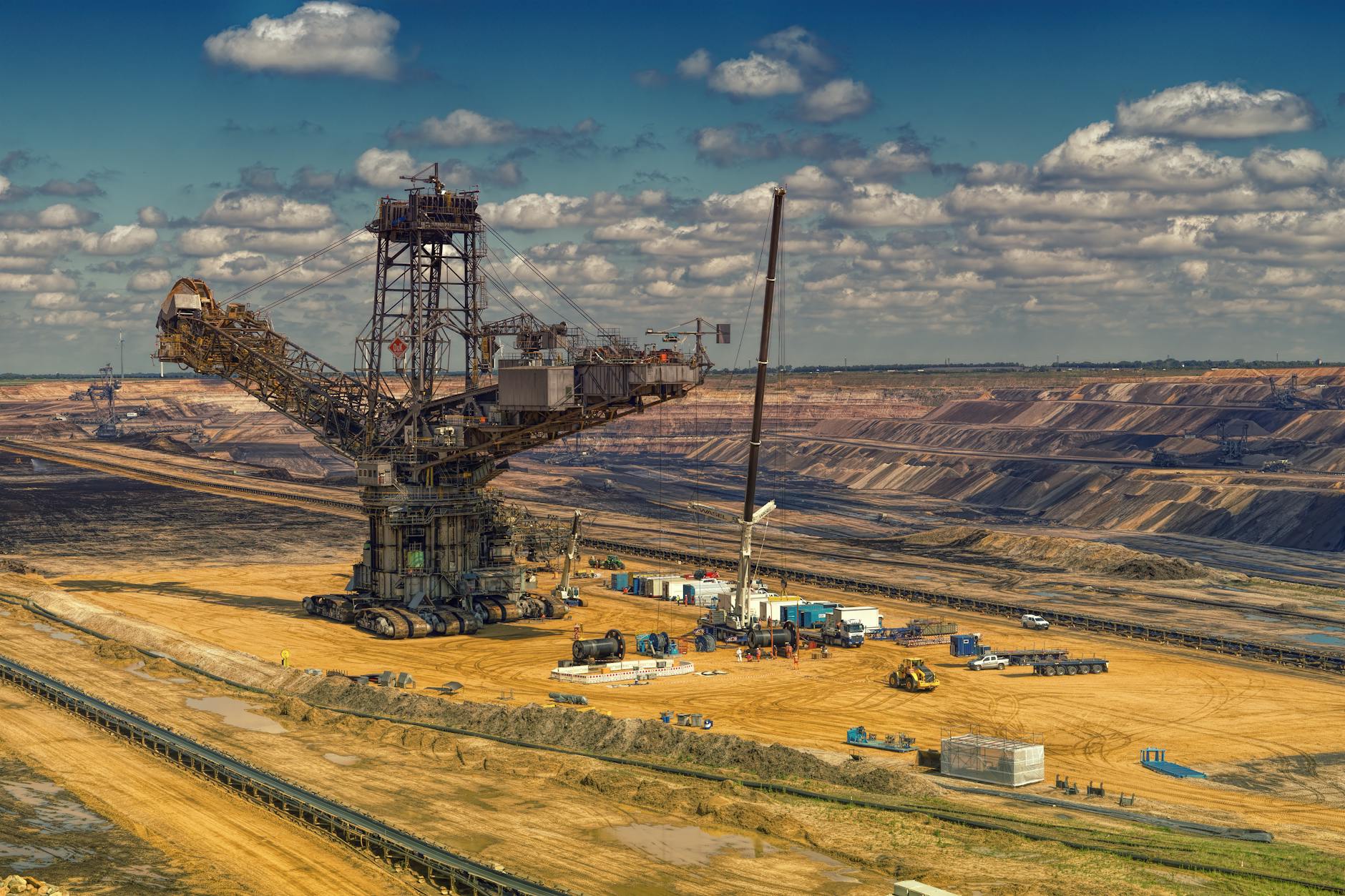
The performance divergence between different gold mining ETFs reveals investor preferences for specific exposure types. Funds focused on major producers have outperformed those emphasizing junior miners, suggesting risk-averse positioning despite the sector’s overall strength. The Market Vectors Junior Gold Miners ETF has lagged its large-cap counterparts, reflecting investor caution about smaller, more speculative plays.
International exposure within gold mining ETFs has become particularly valuable. Companies with operations in Canada, Australia, and South Africa have benefited from favorable currency translations as their home currencies have weakened against the dollar. This geographic diversification has enhanced returns for ETF investors seeking global precious metals exposure.
Inflation Hedge Narrative Gains Momentum
Gold’s traditional role as an inflation hedge has regained credibility as persistent price pressures challenge central bank policies. Unlike previous cycles where inflation fears proved temporary, current price pressures appear more entrenched across multiple sectors of the economy. Housing costs, energy prices, and food inflation have created a sustained environment where hard assets become more attractive.
Gold mining ETFs offer leveraged exposure to this theme. When gold prices rise, mining company profits typically increase at a faster rate due to operational leverage. Fixed costs remain relatively stable while revenues climb, creating amplified returns for equity investors. This dynamic has historically made gold mining stocks more volatile than the underlying commodity, but also more rewarding during sustained precious metals rallies.
The correlation between gold mining ETFs and broader equity markets has decreased significantly during recent months. This reduced correlation provides portfolio benefits for investors seeking diversification from traditional stock and bond allocations. Similar to how Treasury Inflation-Protected Securities are gaining institutional interest, gold mining ETFs offer protection against purchasing power erosion.
Cryptocurrency’s influence on precious metals demand has also evolved. Rather than competing directly with gold, digital assets have introduced new investors to alternative stores of value. Many cryptocurrency investors now view gold mining stocks as complementary holdings, creating additional demand flows into the sector.
Technical Factors Support Continued Strength
Chart patterns across major gold mining ETFs suggest the recent breakout may have more room to run. The GDX ETF has cleared significant resistance levels that had contained prices for nearly two years. Volume patterns indicate institutional accumulation rather than retail speculation, suggesting more sustainable price action.
Supply dynamics in the gold mining industry also support higher valuations. New mine development has slowed significantly over the past decade as environmental regulations have tightened and high-grade deposits have become scarcer. This supply constraint creates favorable conditions for existing producers, whose assets become more valuable as new competition diminishes.

The sector’s improved financial discipline has also contributed to investor confidence. Unlike previous commodity cycles where mining companies expanded aggressively at cycle peaks, current operators have maintained more conservative capital allocation strategies. Debt levels across the industry remain manageable, and many companies are returning cash to shareholders through dividends and buybacks rather than pursuing risky expansion projects.
Looking ahead, gold mining ETFs appear positioned for continued outperformance as currency volatility shows no signs of abating. Central bank policy divergence will likely persist as different economies face varying inflation and growth challenges. This environment historically favors precious metals and the companies that produce them, suggesting the current rally may represent the early stages of a more significant sector rotation rather than a temporary spike driven by short-term concerns.
Frequently Asked Questions
Why are gold mining ETFs outperforming regular gold investments?
Mining ETFs offer leveraged exposure to gold prices through operational leverage, where fixed costs amplify profit margins when gold prices rise.
Which gold mining ETFs have seen the strongest performance recently?
The VanEck Gold Miners ETF and iShares MSCI Global Gold Miners ETF have both posted double-digit gains over the past month.