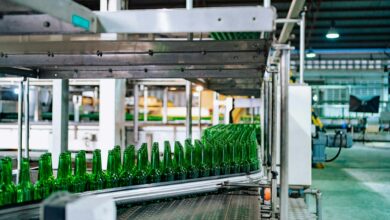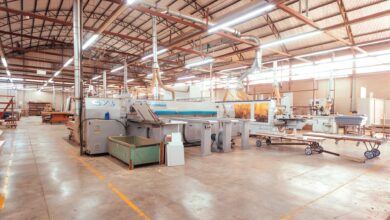


Amazon’s robotics revolution is quietly reshaping the employment landscape across America’s most politically contested states, with automation technologies eliminating thousands of warehouse jobs in Pennsylvania, Michigan, Wisconsin, and other swing states that proved decisive in recent elections.
The e-commerce giant has deployed over 750,000 robotic systems across its fulfillment network since 2012, fundamentally altering how packages move from shelf to doorstep. While Amazon maintains these technologies create new job categories, labor economists and displaced workers tell a different story about the human cost of efficiency gains in communities where warehouse work once provided stable middle-class employment.
The Scale of Automation Across Swing State Facilities
Amazon operates more than 110 fulfillment centers across key swing states, with Pennsylvania hosting 19 facilities, Michigan containing 12, and Wisconsin housing 8 major distribution centers. These states collectively employ over 180,000 Amazon warehouse workers, making the company’s automation decisions particularly significant for local economies and voting patterns.
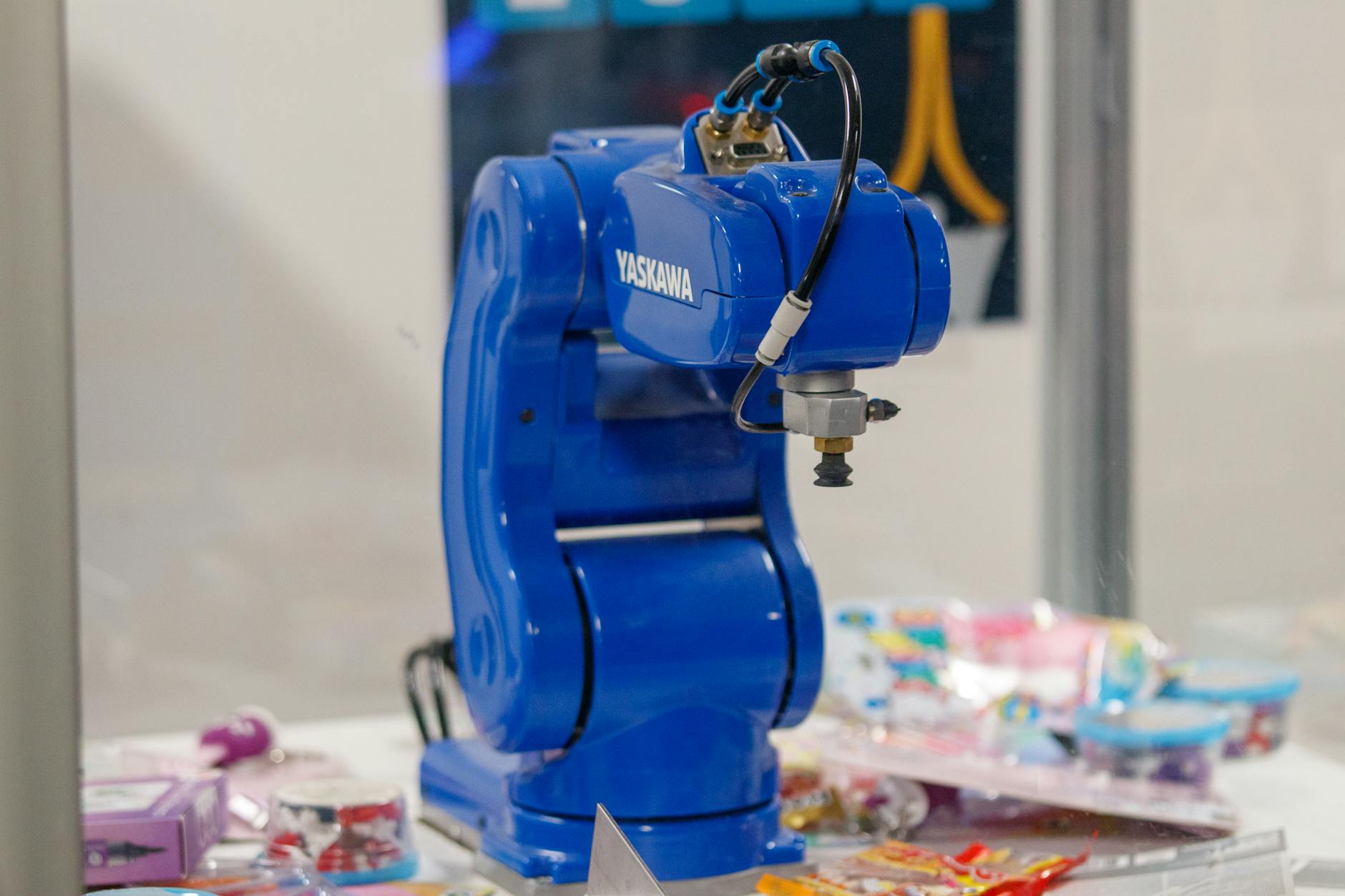
The company’s Hercules robots now handle the heavy lifting that once required teams of workers, while Pegasus drive units transport entire shelving units to human packers. Amazon’s newest facilities feature Robin robotic arms that can identify and sort millions of packages daily, tasks previously performed by dozens of workers per shift.
In Pennsylvania’s Lehigh Valley, Amazon’s Allentown fulfillment center eliminated approximately 1,200 traditional picker positions after installing its latest Kiva robotic systems. Similar reductions occurred at facilities in Grand Rapids, Michigan, and Kenosha, Wisconsin, where automation upgrades coincided with workforce reductions of 15-25 percent.
These changes extend beyond simple job displacement. The remaining positions often require different skill sets, with emphasis on technical monitoring rather than physical labor. Workers who spent years mastering efficient picking routes now find their expertise obsolete as algorithms optimize robot movements.
Economic Ripple Effects in Politically Critical Communities
The transformation hits particularly hard in smaller cities where Amazon warehouses anchor local economies. In places like Hebron, Kentucky, and Whitestown, Indiana, the fulfillment centers employ significant portions of the working-age population, making automation decisions disproportionately influential on community prosperity.
Local businesses that emerged to serve warehouse workers – restaurants, gas stations, childcare centers – face reduced customer bases as headcounts shrink. The multiplier effect extends to housing markets, where demand softens as fewer workers relocate for warehouse positions that increasingly don’t exist.
Wisconsin’s Rock County exemplifies these dynamics. The area attracted Amazon partly due to its skilled manufacturing workforce transitioning from automotive and agricultural equipment production. However, as automation reduces the need for these transferable skills, displaced factory workers find fewer opportunities in the warehouse sector that once absorbed industrial job losses.
Labor economists note the timing concerns for political implications. Automation accelerates during economic uncertainty when companies prioritize cost reduction, potentially affecting employment levels during election cycles when job creation becomes a campaign focal point.
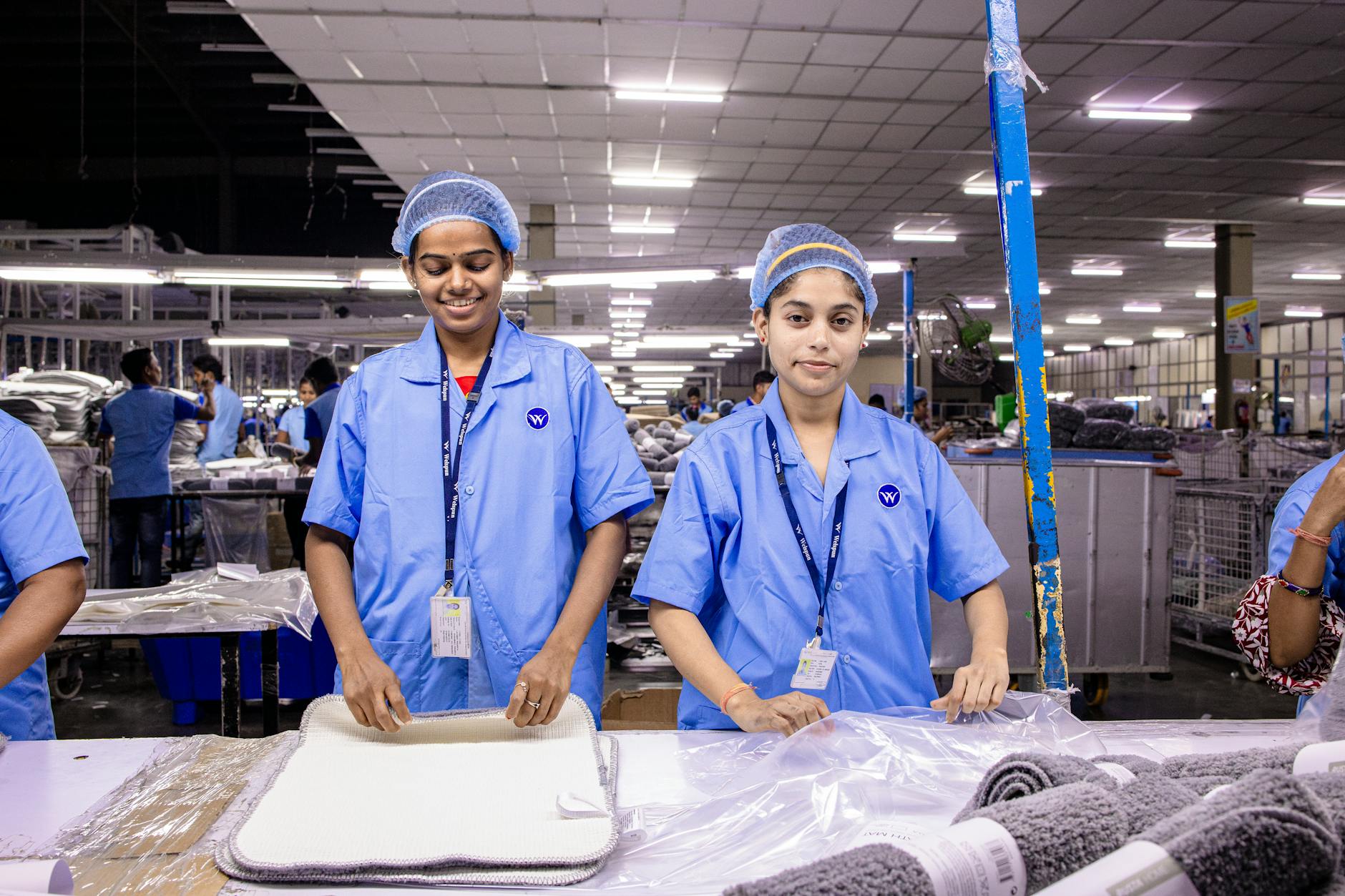
The displacement also affects voter demographics in ways that political strategists monitor closely. Warehouse workers typically earn $15-18 per hour with benefits, placing them in economic categories that swing between parties based on employment security. As these positions diminish, affected communities may shift political allegiances based on which candidates address automation’s economic disruption.
Amazon’s Response and Alternative Job Creation Claims
Amazon consistently argues that automation creates more jobs than it eliminates, pointing to roles in robotics maintenance, software monitoring, and logistics coordination that emerge alongside new technologies. The company reports hiring over 40,000 new employees annually for these technical positions across all operations.
However, the geographic and skill mismatches complicate this narrative for displaced warehouse workers. New robotics technician positions often require community college training or technical certifications that take months to complete, creating gaps between job loss and reemployment. Additionally, many new technical roles concentrate at Amazon’s Seattle headquarters or major tech hubs rather than in the swing state communities where warehouse closures occur.
The company has invested $700 million in worker retraining programs, offering to pay tuition for employees pursuing education in high-demand fields. Yet participation rates remain low in some regions where workers prefer immediate employment over extended training periods, particularly older workers approaching retirement who view career transitions as impractical.
Amazon’s upskilling initiatives also compete with other economic opportunities. While government contractor job growth is revitalizing manufacturing towns across the Rust Belt, these positions often require different skill sets than Amazon’s technical roles, creating competing pathways for displaced workers.
The Political Calculation
Union organizers increasingly frame warehouse automation as a campaign issue, arguing that corporate tax incentives should include job protection clauses. The Teamsters and other labor groups advocate for legislation requiring advance notice of major automation implementations and funding for affected community transitions.

State governments face difficult balances between attracting Amazon’s economic investment and protecting existing workforces. Pennsylvania offered $46 million in tax credits for Amazon facilities, while Wisconsin provided $7 million in incentives. These agreements typically lack specific employment maintenance requirements, allowing automation to proceed without penalty.
Looking Ahead: Automation’s Electoral Impact
The 2024 election cycle will test whether warehouse automation becomes a defining issue in swing states where Amazon’s presence significantly influences local economies. Early polling suggests voters in affected communities increasingly prioritize candidates who address technological displacement through retraining funding and corporate accountability measures.
Amazon’s automation trajectory shows no signs of slowing, with the company investing billions annually in robotics research and artificial intelligence capabilities. The next generation of fulfillment centers will likely operate with even fewer human workers, intensifying the economic and political pressures in communities dependent on warehouse employment.
The intersection of technological progress and political representation continues evolving as automation reshapes the economic foundations of America’s most contested electoral battlegrounds. How swing state voters respond to these changes may ultimately determine not just election outcomes, but the broader national conversation about technology’s role in economic opportunity.
Frequently Asked Questions
How many warehouse jobs has Amazon automation eliminated?
Amazon has deployed over 750,000 robotic systems since 2012, with facilities in swing states reducing workforces by 15-25 percent after automation upgrades.
What new jobs does Amazon automation create?
Amazon claims automation creates technical roles in robotics maintenance and logistics coordination, though these often require additional training and may be located elsewhere.