

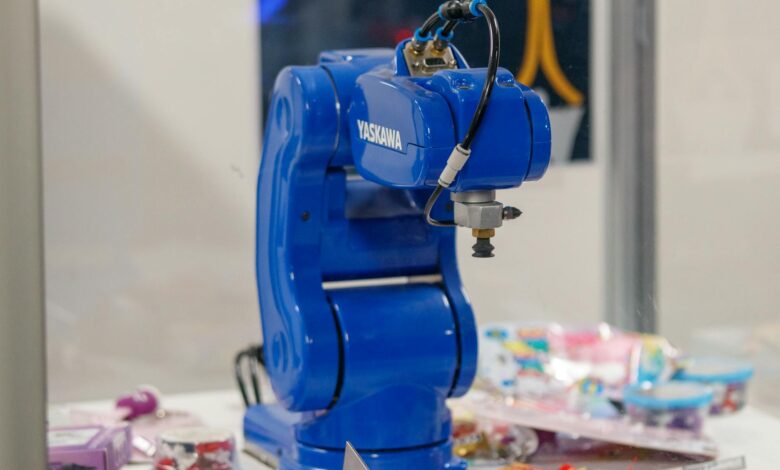
Amazon’s robotic revolution is accelerating faster than most analysts predicted, with the company’s automated fulfillment centers now processing orders with minimal human intervention. Industry insiders report that Amazon’s latest generation of warehouse robots can handle complex picking, packing, and sorting tasks that previously required human workers, setting the stage for the most significant workforce displacement in retail history.
The transformation isn’t theoretical anymore. Amazon’s newest facilities in Ohio and Texas operate with 75% fewer human workers than traditional warehouses, relying instead on sophisticated robotic systems that work around the clock. These facilities serve as testing grounds for technologies that Amazon plans to roll out across its entire fulfillment network over the next three years.
Labor economists studying Amazon’s automation trajectory estimate that approximately two million warehouse jobs across the United States could be eliminated by 2026. This projection includes not only Amazon’s direct employees but also workers at competitor facilities that will be forced to automate to remain competitive.
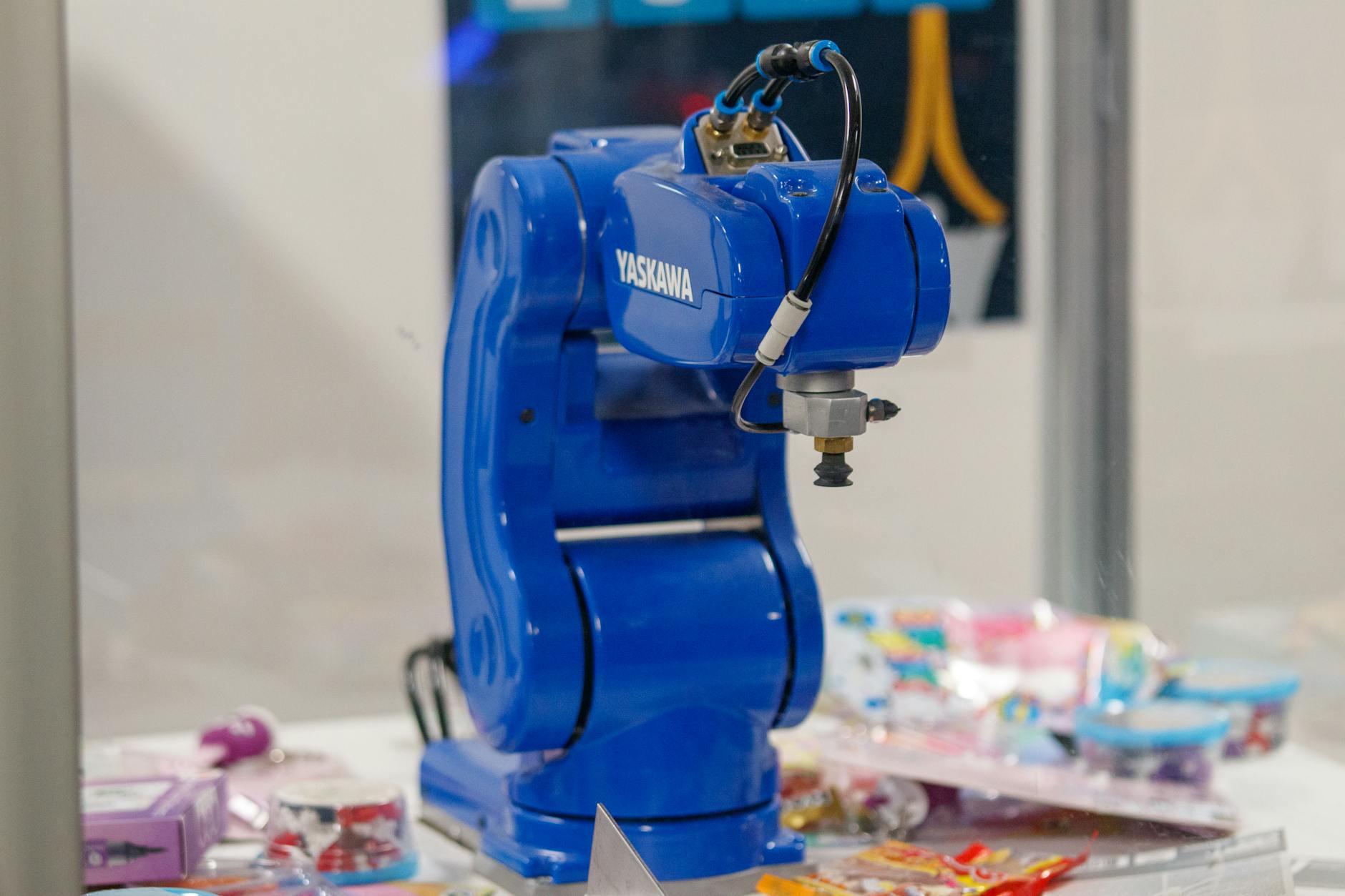
The Technology Behind the Displacement
Amazon’s warehouse automation relies on multiple interconnected systems that have reached new levels of sophistication. The company’s Sparrow robots can now identify and handle millions of different products, while its Robin system manages complex inventory movements with precision that surpasses human capability.
The most significant advancement comes from Amazon’s Proteus robots, which navigate warehouse floors autonomously while carrying tower-high stacks of products. Unlike earlier systems that required structured environments, these robots adapt to dynamic warehouse conditions and work safely alongside remaining human employees.
Computer vision technology enables these machines to process visual information faster than human workers. A single robotic picking arm can identify, grasp, and sort products at rates that would require teams of human workers to match. The robots operate continuously without breaks, dramatically increasing throughput while reducing labor costs.
Amazon’s investment in this technology reportedly exceeds $15 billion annually, with the company viewing automation as essential to maintaining competitive advantage in an increasingly crowded e-commerce market. The scale of this investment dwarfs what most competitors can afford, creating a technology gap that smaller retailers struggle to bridge.
Economic Ripple Effects Across Industries
The warehouse automation trend extends far beyond Amazon’s immediate workforce. Competing retailers face pressure to adopt similar technologies or risk being unable to match Amazon’s pricing and delivery speeds. Walmart, Target, and other major retailers have already begun implementing automated systems in their distribution centers.
This competitive dynamic creates what economists call a “technology cascade,” where automation adoption accelerates across an entire sector. Companies that resist automation risk losing market share to more efficient competitors, while those that embrace it reduce their workforce requirements.
The timing coincides with broader economic pressures facing retail workers. Remote work policies are reshaping commercial real estate values, creating additional economic uncertainty for workers whose jobs are tied to physical locations.
Regional economies dependent on warehouse employment face particular challenges. Areas like the Inland Empire in California, central Pennsylvania, and parts of Ohio built economic development strategies around attracting large fulfillment centers. These communities now confront the reality that future facilities may employ a fraction of the workers they originally anticipated.
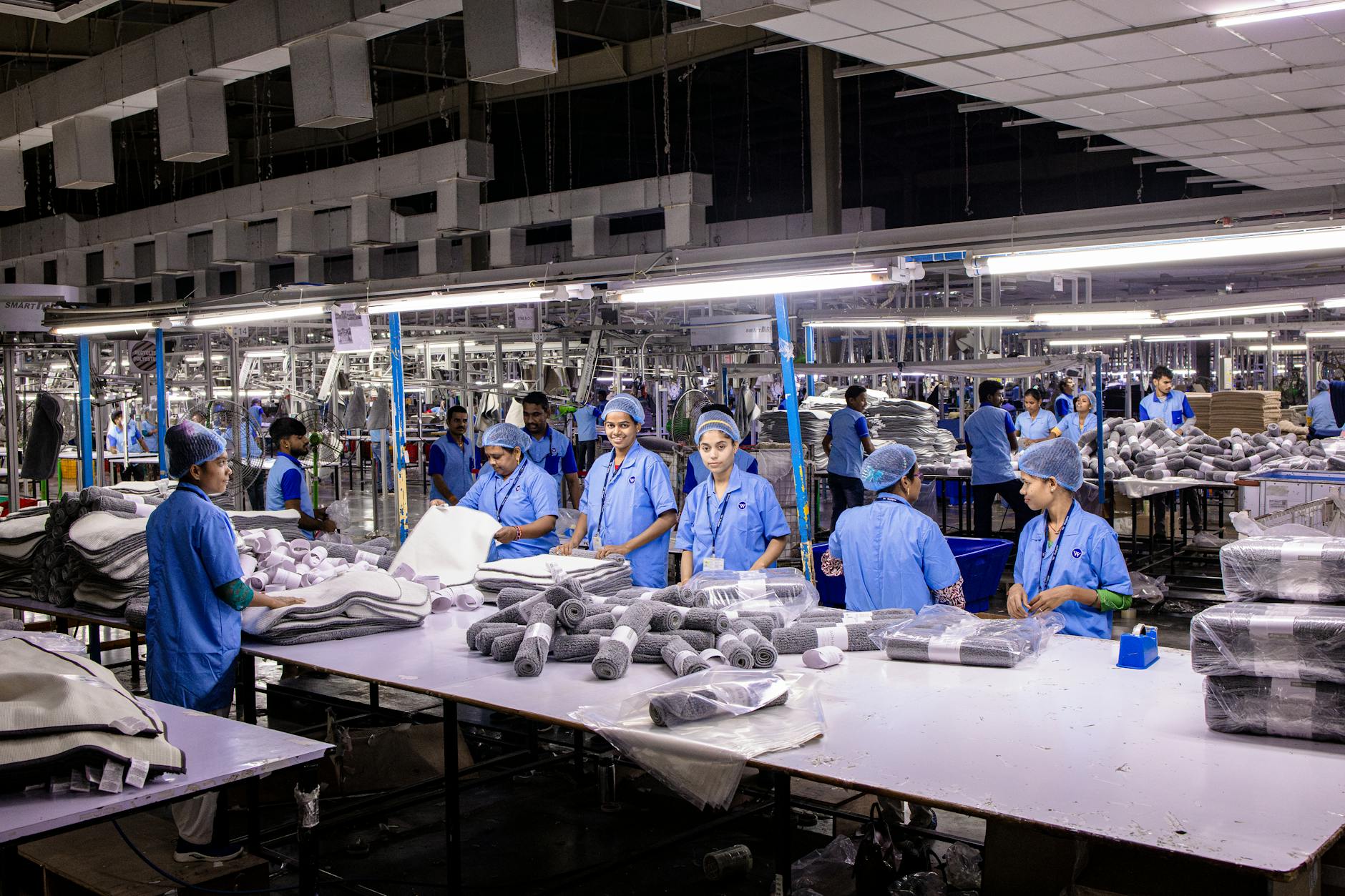
Small and medium-sized logistics companies find themselves caught between rising automation costs and competitive pressures. Many lack the capital to invest in advanced robotic systems yet cannot compete effectively with automated competitors on price and speed.
Worker Displacement and Retraining Challenges
Current warehouse workers face limited options as automation expands. Unlike previous technological transitions that created new job categories, warehouse automation eliminates positions faster than new opportunities emerge within the same facilities.
The demographic profile of displaced workers presents additional challenges. Warehouse employment has traditionally provided middle-class wages for workers without college degrees, particularly in communities where manufacturing jobs disappeared over previous decades. Many affected workers are in their 40s and 50s, ages when career transitions become more difficult.
Retraining programs exist but struggle with scale and effectiveness. Community colleges in areas with large fulfillment centers report that their programs cannot accommodate the volume of workers seeking new skills. Additionally, many alternative careers require significantly longer training periods than displaced workers can afford.
Amazon and other companies have announced worker retraining initiatives, but these programs typically serve only a small percentage of affected employees. The company’s “Upskilling 2025” program aims to retrain 100,000 workers, but this number represents a fraction of the warehouse workforce that automation will eventually displace.
Geographic mobility presents another barrier. Many warehouse workers own homes in areas specifically chosen for their proximity to fulfillment centers. As these facilities automate, workers face difficult choices between remaining in communities with declining job opportunities or relocating to areas where they lack support networks.
The Broader Economic Transformation
The warehouse automation wave reflects broader changes in how goods move through the American economy. Consumer expectations for rapid delivery have created pressure for supply chain optimization that human workers cannot match. Same-day delivery and precise tracking require levels of coordination that favor automated systems.
This transformation occurs alongside other technological disruptions across multiple sectors. While some industries create new employment opportunities, the warehouse sector’s capital-intensive automation model provides fewer pathways for displaced workers to find comparable employment within the same industry.
Economic modeling suggests that the productivity gains from warehouse automation will benefit consumers through lower prices and faster delivery, but these benefits may not offset the economic losses experienced by displaced workers and their communities. The transition period could last several years, during which affected regions experience economic stress.
The concentration of automation investment among large companies like Amazon also raises questions about market competition. Smaller logistics providers may struggle to compete, potentially leading to further industry consolidation and reduced competition in regional markets.
Policy responses remain limited. While some legislators have proposed worker transition assistance programs, the scale of potential displacement may exceed current support system capacity. The speed of technological change often outpaces policy development, leaving affected workers without adequate safety nets.
Amazon’s warehouse automation represents more than a technological upgrade – it signals a fundamental shift in how the American economy organizes work. As robotic systems become more capable and cost-effective, other labor-intensive industries may follow similar paths. The next few years will determine whether displaced workers can successfully transition to new opportunities or whether technological progress creates lasting economic divisions. The decisions made by companies, policymakers, and communities during this transition will shape the American workforce for decades to come.
Frequently Asked Questions
How many warehouse jobs will Amazon automation eliminate?
Economists estimate approximately two million warehouse jobs could be eliminated by 2026 across Amazon and competing facilities.
What technologies are replacing warehouse workers?
Amazon uses Sparrow picking robots, Robin inventory systems, and Proteus autonomous mobile robots to handle tasks previously done by humans.