

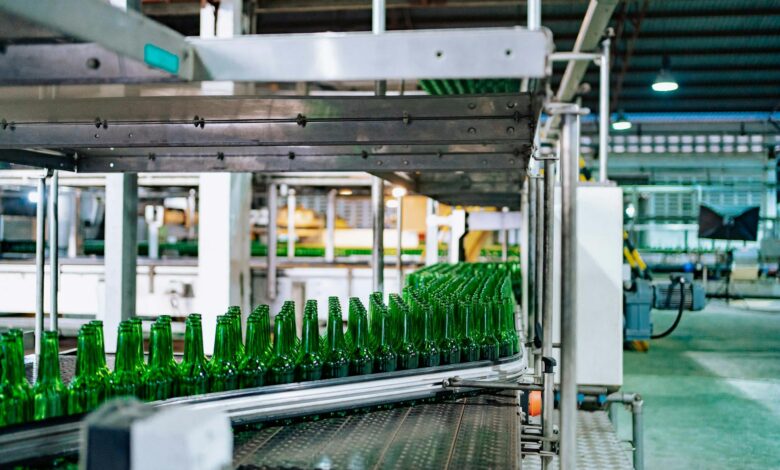
The 2022 baby formula crisis that left store shelves bare across America has triggered an unexpected economic transformation. What began as a supply chain nightmare is now reshaping manufacturing geography, creating new industrial hubs in unexpected places and fundamentally altering how essential goods reach American families.
The shortage, which peaked when Abbott Nutrition’s Michigan plant closed due to contamination concerns, exposed dangerous over-reliance on a handful of massive facilities. Parents drove hundreds of miles searching for formula, while hospitals rationed supplies. The crisis forced policymakers and industry leaders to confront a stark reality: centralized production of essential goods creates national vulnerabilities that demand local solutions.
The Rise of Regional Manufacturing Networks
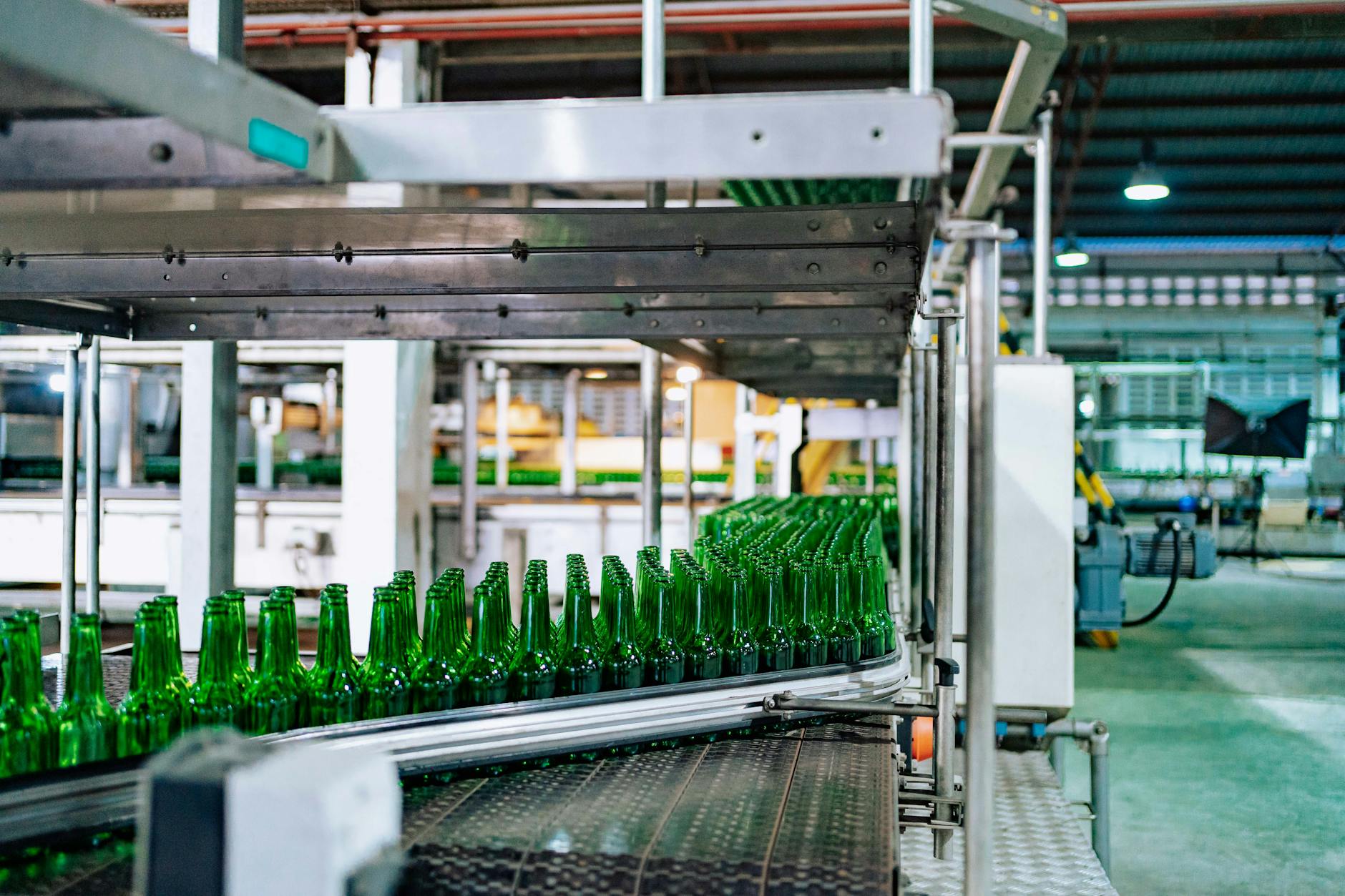
The formula shortage has accelerated a broader shift toward regionalized production that was already gaining momentum before the pandemic. Companies are now establishing smaller, distributed manufacturing facilities rather than relying on mega-plants that serve entire continents.
Reckitt, maker of Enfamil, announced plans for a new facility in Indiana specifically designed to serve Midwest markets. The plant represents a departure from the company’s traditional model of massive factories shipping nationwide. Similarly, Nestle is expanding capacity at its Ohio facility and exploring additional regional sites.
“We’re seeing a fundamental rethink of manufacturing strategy,” says Dr. Sarah Chen, a supply chain expert at Georgetown University. “Companies are trading some economies of scale for resilience and speed to market.”
This regionalization mirrors trends in other critical industries. Pharmaceutical companies are establishing domestic production capabilities after facing shortages of generic drugs manufactured overseas. Food processors are creating regional networks to reduce transportation costs and delivery times.
The shift creates particular opportunities for states that have struggled with manufacturing job losses over the past decade. Supply chain reshoring is creating manufacturing jobs in Rust Belt states, and baby formula production fits perfectly into this trend.
Economic Ripple Effects in Emerging Hub Cities
Cities across the Midwest and Southeast are positioning themselves as specialized formula manufacturing centers, complete with supporting infrastructure and workforce development programs. Ohio has emerged as a particularly attractive location, with existing food processing expertise and transportation networks that can serve both coasts efficiently.
Columbus, Ohio has become a focal point for this transformation. The city’s central location provides access to major population centers within a day’s drive, while its existing pharmaceutical and food processing workforce requires minimal retraining for formula production. Local economic development officials report significant interest from international formula manufacturers looking to establish American operations.
“We’re not just talking about one factory,” explains Mark Rodriguez, economic development director for Franklin County, Ohio. “We’re seeing interest in packaging facilities, testing laboratories, ingredient suppliers – entire ecosystems built around infant nutrition.”
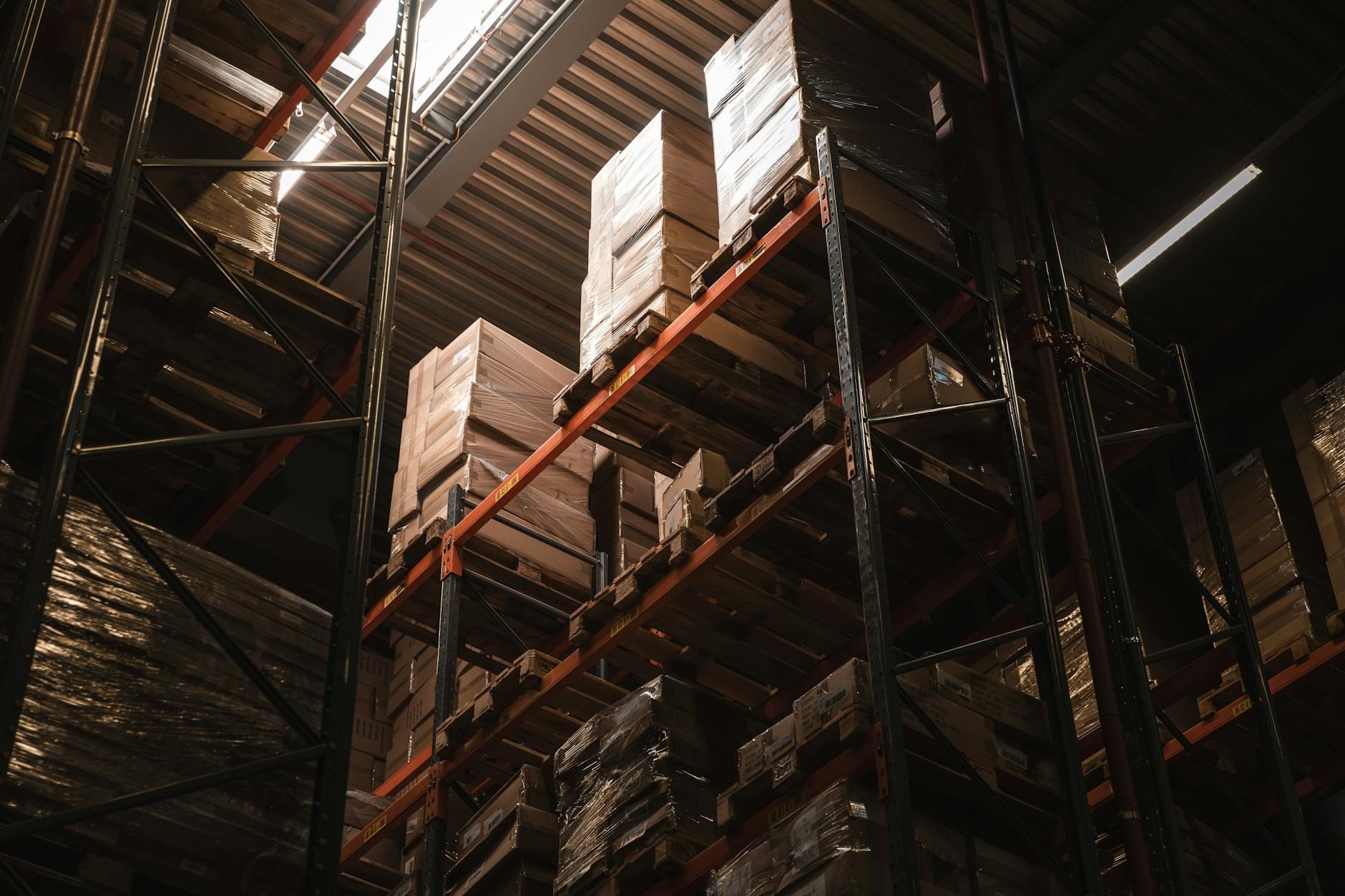
The economic impact extends beyond direct manufacturing jobs. Formula production requires specialized packaging materials, quality testing services, and cold storage facilities. Transportation companies are establishing dedicated routes between production hubs and major population centers. Even marketing and regulatory compliance services are clustering around these new manufacturing centers.
Texas has taken a different approach, focusing on attracting European formula manufacturers looking to establish American beachheads. The state’s business-friendly environment and existing chemical manufacturing base make it attractive for companies producing specialized formula ingredients.
These regional hubs are also benefiting from changes in retail distribution. Major pharmacy chains and grocery retailers are prioritizing suppliers who can guarantee consistent delivery schedules and maintain emergency inventory reserves. Regional manufacturers can promise both, creating competitive advantages that extend beyond simple cost calculations.
Regulatory Changes Spurring Innovation
The FDA’s response to the formula crisis has fundamentally altered the regulatory landscape in ways that favor regional production. New emergency authorization procedures allow qualified international manufacturers to enter the American market more quickly, but ongoing supply requirements favor domestic production.
The agency has also implemented new inspection protocols that emphasize redundancy and geographic distribution. Companies seeking regulatory approval now receive advantages for establishing multiple production sites rather than concentrating everything in single mega-facilities.
These regulatory shifts are creating opportunities for mid-sized manufacturers who previously couldn’t compete with industry giants. Smaller companies can now bid for hospital contracts and major retailer partnerships by demonstrating supply chain reliability rather than just lowest cost.
Innovation in formula composition is also driving regional specialization. Some facilities are focusing on organic and specialty formulas that command premium prices but require smaller production runs. Others are developing formulas for specific medical conditions or dietary requirements.
The regulatory changes are particularly benefiting minority-owned and women-owned businesses in the formula industry. New supplier diversity requirements from major retailers, combined with regional production preferences, are creating market entry opportunities that didn’t exist during the era of centralized production.
Long-Term Market Transformation

The regionalization of baby formula manufacturing represents more than crisis response – it signals a permanent shift in how Americans think about essential goods production. Consumer surveys show parents now prioritize supply chain transparency and domestic production when choosing formula brands, even when prices are higher.
This preference shift is driving investment beyond just manufacturing facilities. Companies are establishing direct-to-consumer sales channels, reducing dependence on traditional retail distribution. Regional manufacturers can offer subscription services and emergency delivery options that massive centralized producers cannot match.
The transformation is also creating new career pathways in communities that lost manufacturing jobs over the past generation. Technical colleges are developing specialized programs for infant nutrition manufacturing, while existing workers in food processing and pharmaceuticals are retraining for formula production roles.
Industry analysts predict that within five years, no single facility will produce more than 20% of America’s formula supply – a dramatic change from the previous model where three companies controlled 90% of the market from a handful of plants. This distribution will create permanent employment in dozens of communities while ensuring that future disruptions cannot paralyze the entire system.
The baby formula shortage exposed critical vulnerabilities in American supply chains, but it also catalyzed innovations that are making the system more resilient. Regional manufacturing hubs are not just solving immediate supply problems – they’re building the foundation for a more distributed, responsive industrial economy that can better serve American families while creating sustainable employment across the heartland.
Frequently Asked Questions
Why are companies building regional formula manufacturing facilities?
The 2022 formula shortage exposed risks of centralized production, leading companies to create distributed networks for supply chain resilience.
Which states are becoming baby formula manufacturing hubs?
Ohio, Texas, and Indiana are emerging as key centers, leveraging existing food processing expertise and central transportation networks.