

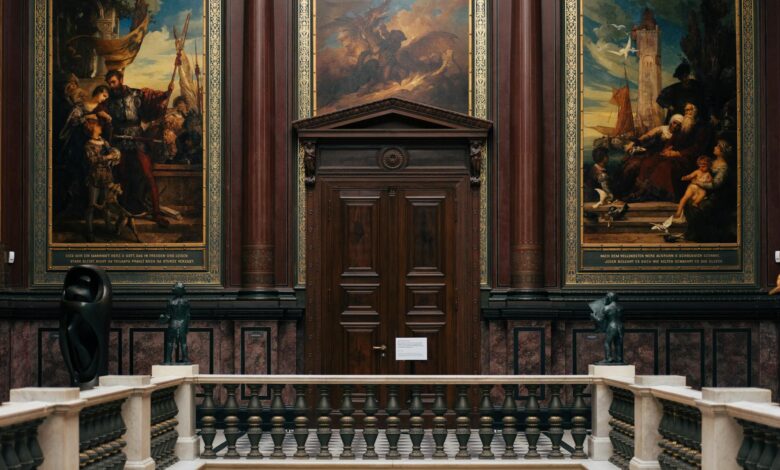
A Picasso worth millions hanging in a private museum. A Monet displayed for public viewing while generating tax benefits. Behind the marble halls and velvet ropes of America’s most prestigious private art foundations lies a sophisticated financial strategy that transforms cultural patronage into lucrative investment vehicles.
The ultra-wealthy have discovered that establishing private museums and art foundations offers unprecedented tax advantages while maintaining control over billion-dollar collections. Unlike traditional investments, art held in qualifying foundations can appreciate tax-free while owners claim substantial deductions and enjoy exclusive access to their treasures.
This trend represents a fundamental shift in how billionaires structure their wealth, combining passion for culture with shrewd financial planning that rivals any Wall Street strategy.
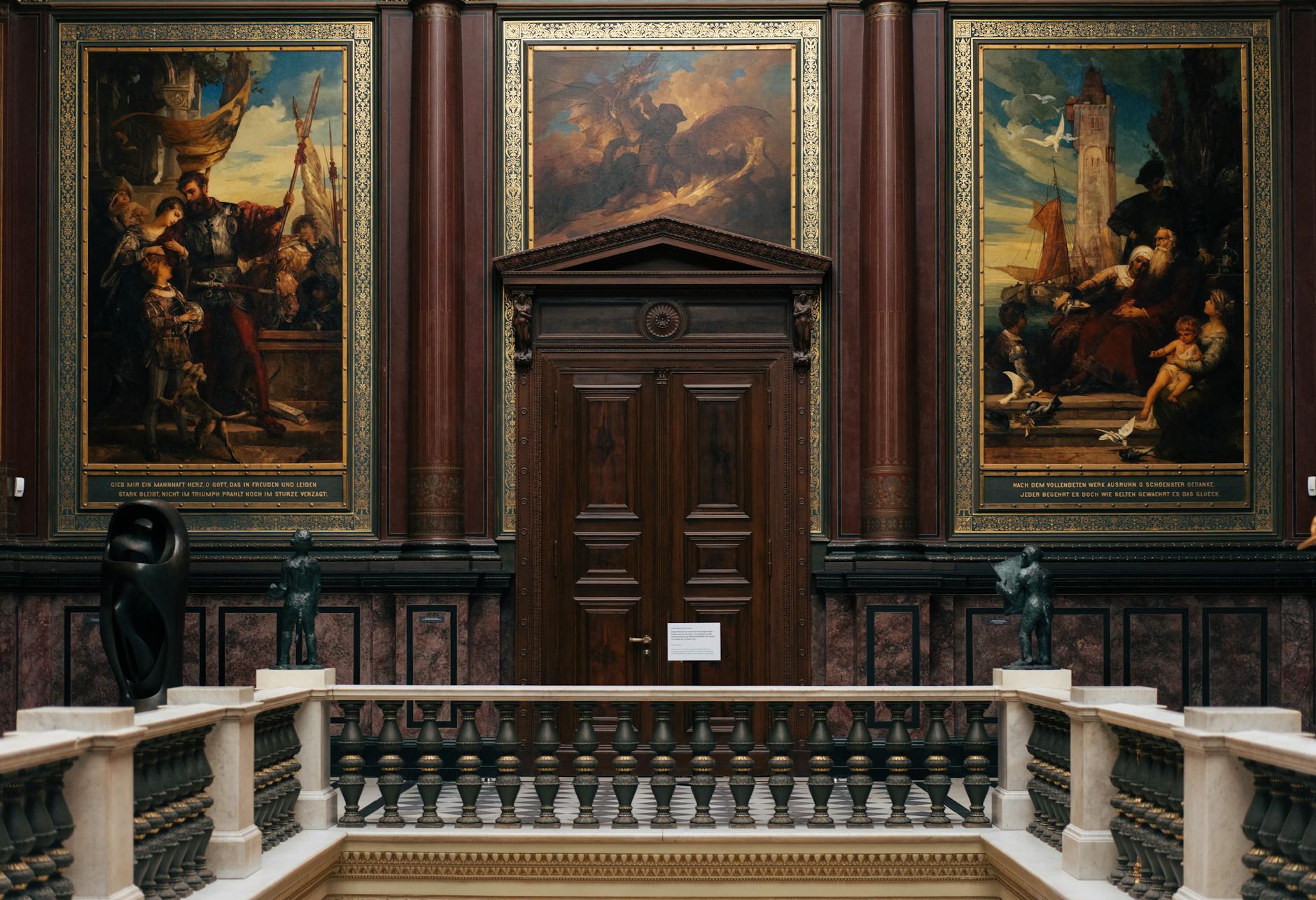
The Private Museum Advantage
Private museums operate under Section 501(c)(3) of the tax code, granting them the same status as hospitals and schools. This classification unlocks extraordinary benefits for wealthy collectors who structure their holdings correctly.
When billionaires donate artworks to their own foundations, they receive immediate tax deductions based on current market value while retaining significant influence over how pieces are displayed, loaned, and managed. The artwork continues appreciating within the foundation, but that growth remains untaxed indefinitely.
Crystal Bridges Museum, founded by Walmart heiress Alice Walton, exemplifies this model. The museum houses an extensive collection of American art while providing substantial tax benefits through its nonprofit structure. Visitors enjoy free admission to world-class exhibitions, while the foundation benefits from tax-exempt status on its operations and holdings.
The Broad Museum in Los Angeles, established by philanthropists Eli and Edythe Broad, demonstrates how private foundations can loan artworks to other institutions, generating goodwill and cultural influence while maintaining ownership. These strategic loans enhance the collection’s value and reputation without triggering taxable events.
Private foundations must meet specific requirements, including making their collections accessible to researchers and the public for a minimum number of hours annually. However, these obligations are often minimal compared to the tax advantages gained.
Estate Planning Through Culture
Art-focused foundations serve as sophisticated estate planning tools, allowing wealth to transfer between generations without triggering hefty inheritance taxes. Family members can serve on foundation boards, maintaining control over artistic decisions and investment strategies across decades.
The strategy proves particularly effective for illiquid assets like unique artworks that might be difficult to divide among heirs. Instead of forcing sales to pay estate taxes, families can contribute pieces to their foundations, preserving collections intact while claiming tax benefits.
Recent changes to estate tax laws have made these strategies even more attractive. The current federal estate tax exemption allows substantial wealth transfers, but many billionaires anticipate future policy changes that could increase tax rates or lower exemption thresholds.

Smart collectors also leverage charitable remainder trusts and other instruments alongside their foundations. These structures can provide income streams during the donor’s lifetime while ensuring artworks eventually benefit educational or cultural purposes.
Investment Returns Beyond Financial Gains
Art foundations generate returns that extend far beyond traditional financial metrics. Cultural influence, social status, and networking opportunities create value that’s difficult to quantify but enormously beneficial for business relationships and family legacy.
Foundation trustees often include prominent cultural figures, museum directors, and other influential personalities. Board meetings become networking opportunities where business deals and partnerships can emerge organically from shared cultural interests.
The prestige associated with major art collections opens doors in social and business circles that money alone cannot access. Hosting exclusive exhibitions or lending significant pieces to major museums creates relationships with cultural institutions worldwide.
Some foundations generate direct revenue through strategic art sales, using proceeds to acquire new pieces while maintaining overall portfolio growth. These transactions occur within the tax-advantaged structure, maximizing after-tax returns compared to personal art trading.
Like private foundations shifting toward infrastructure investments, art-focused foundations increasingly diversify their holdings to include photography, digital art, and emerging media that may appreciate significantly over time.
Regulatory Scrutiny and Future Considerations
The Internal Revenue Service has increased scrutiny of private foundations, particularly regarding self-dealing and excessive benefits to donors and their families. Recent investigations have focused on foundations that provide disproportionate benefits to their creators while meeting only minimal public benefit requirements.
New regulations require more detailed reporting of foundation activities, including specifics about public access, educational programs, and actual charitable impact. These requirements aim to ensure foundations provide genuine public benefits rather than serving primarily as tax shelters.

Congressional discussions about wealth taxation increasingly include provisions targeting private foundations and their tax benefits. Proposed legislation could require higher minimum distributions, restrict family control, or impose taxes on investment gains within foundations.
Despite regulatory challenges, the fundamental appeal of art foundations remains strong. Cultural patronage offers wealthy individuals meaningful ways to contribute to society while achieving legitimate tax benefits and preserving family wealth.
The trend toward establishing private museums shows no signs of slowing. Museums provide platforms for educational programs, community engagement, and cultural preservation that generate measurable social benefits alongside financial advantages.
Similar to strategies explored in donor-advised funds for controlling charitable timing, art foundations allow philanthropists to optimize their giving strategies while maintaining flexibility in how they deploy charitable resources.
As wealth inequality continues growing, art foundations represent one avenue where private wealth can generate public benefits while providing sophisticated tax planning opportunities. The key lies in ensuring these structures deliver genuine cultural value rather than serving merely as elaborate tax avoidance schemes.
The future of billionaire art collections will likely involve greater transparency requirements and more stringent public benefit standards. However, the fundamental alignment between cultural preservation and tax-efficient wealth management suggests this trend will continue evolving rather than disappearing entirely.
Frequently Asked Questions
How do private art foundations provide tax benefits?
They offer immediate deductions for donated artworks while allowing tax-free appreciation and maintaining donor influence over collections.
What are the public access requirements for private art foundations?
Foundations must provide public access for minimum hours annually and support educational or research activities to maintain tax-exempt status.