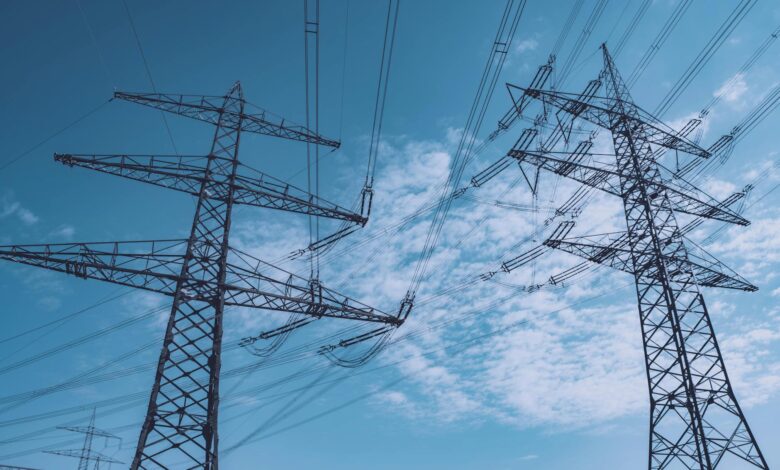
America’s aging electrical infrastructure faces a reckoning. The grid that powers everything from data centers to electric vehicles operates on technology largely unchanged since the 1960s. As utilities race to modernize transmission lines, smart meters, and distribution systems, one commodity stands at the center of this massive undertaking: copper.
The electrical grid modernization push represents one of the largest infrastructure investments in American history. The Infrastructure Investment and Jobs Act allocated $65 billion specifically for grid improvements, while private utilities plan to spend hundreds of billions more over the next decade. Every mile of new transmission line, every smart meter installation, and every grid storage system requires significant amounts of copper – creating a sustained demand tailwind for mining companies.
The Copper Connection to Grid Infrastructure
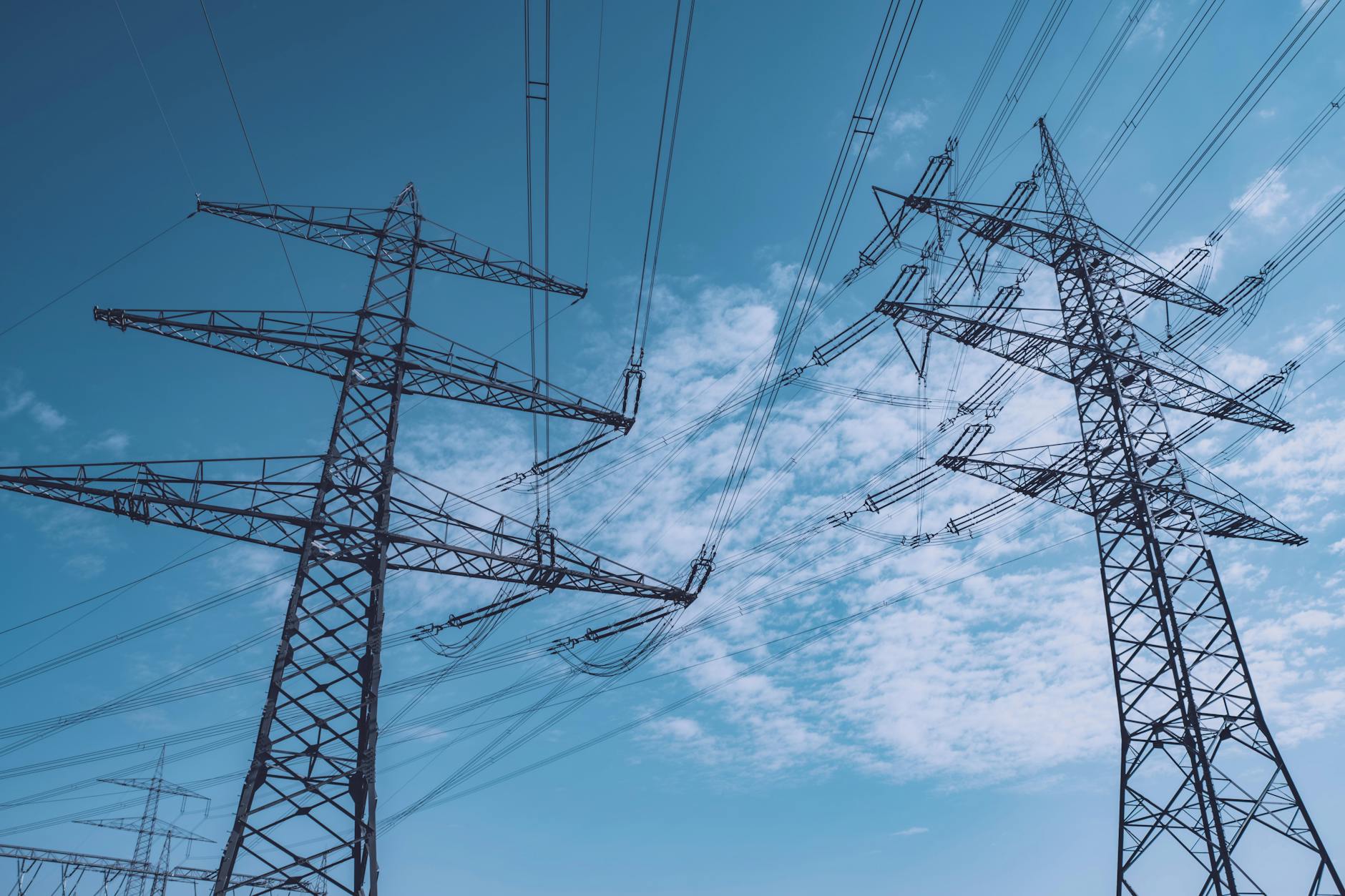
Modern electrical infrastructure consumes copper at unprecedented rates. A single mile of high-voltage transmission line uses approximately 1,600 pounds of copper. Smart grid installations require even more intensive copper usage, with advanced meters, sensors, and control systems all dependent on copper’s superior conductivity properties.
Grid modernization projects typically involve three key components that drive copper demand. Transmission line upgrades replace aging infrastructure with higher-capacity systems capable of handling renewable energy integration. Distribution system improvements focus on underground cables and smart grid technologies that enhance reliability and efficiency. Energy storage integration requires copper-intensive battery systems and power electronics to manage variable renewable generation.
The timing couldn’t be better for copper miners. Utilities face regulatory pressure to improve grid resilience following high-profile outages in Texas, California, and other states. Climate goals mandate renewable energy integration, which requires extensive grid modifications to handle intermittent solar and wind generation. Meanwhile, electric vehicle adoption and data center expansion are pushing electricity demand higher than projected just five years ago.
Major utility companies like NextEra Energy, American Electric Power, and Dominion Energy have announced multi-year capital expenditure programs focused on grid modernization. These investments translate directly into copper demand, as utilities cannot substitute alternative materials for most electrical applications without sacrificing performance or safety standards.
Mining Companies Positioned for Growth
Several publicly traded copper mining companies stand to benefit significantly from sustained grid modernization spending. Freeport-McMoRan, the largest publicly traded copper producer in North America, operates major mines in Arizona and New Mexico that supply domestic infrastructure projects. The company’s Morenci and Bagdad operations in Arizona produce high-quality copper concentrate specifically suited for electrical applications.
Southern Copper Corporation focuses on North American production through its Mexican operations, providing supply chain proximity advantages for U.S. grid projects. The company’s integrated mining and smelting operations allow for consistent production volumes that utilities require for large-scale infrastructure projects.
International players also benefit from U.S. grid modernization. BHP Group and Rio Tinto, both diversified mining giants with significant copper operations, supply global markets including American infrastructure projects. Their established production capabilities and financial resources position them to expand output in response to growing demand.

The investment opportunity extends beyond pure-play copper miners. Companies like First Quantum Minerals and Lundin Mining offer exposure to copper markets while maintaining diversified mineral portfolios that reduce commodity price volatility risks. These companies often trade at discounts to specialized copper producers while providing similar exposure to infrastructure-driven demand growth.
Market Dynamics and Investment Timing
Copper markets show clear signs of transitioning from cyclical demand patterns to structural growth driven by electrification trends. Grid modernization represents a multi-decade investment cycle that provides visibility into sustained demand growth, unlike traditional economic cycles that drive short-term copper price volatility.
Supply constraints amplify the investment opportunity for existing producers. New copper mine development typically requires 7-10 years from discovery to production, while environmental permitting processes have become increasingly complex. Existing producers with established operations and expansion potential benefit from these supply-side limitations.
The relationship between copper prices and mining stock performance shows strong correlation during sustained demand growth periods. Unlike commodity trading, which requires precise timing and market prediction, copper mining stocks benefit from extended periods of elevated demand regardless of short-term price fluctuations.
Recent market performance demonstrates this relationship. Despite broader market volatility, copper mining stocks have outperformed general mining indices when infrastructure spending accelerates. The current grid modernization cycle appears more sustained than previous infrastructure investment waves due to climate policy support and regulatory mandates.
However, investors should consider the cyclical nature of mining investments. Economic downturns can temporarily reduce infrastructure spending, affecting copper demand and mining stock valuations. Similarly, just as semiconductor companies benefited from AI chip demand, copper miners face competition from alternative technologies and potential supply increases that could moderate price appreciation over time.
Investment Strategies and Risk Management
Direct investment in copper mining stocks offers the highest leverage to infrastructure-driven demand growth but also carries significant volatility risks. Portfolio allocation strategies can help manage these risks while maintaining exposure to the copper modernization theme.
Diversified mining ETFs provide broader exposure to copper markets while reducing single-company risks. The Global X Copper Miners ETF and similar funds offer exposure to multiple copper producers across different geographic regions and operational profiles. These funds typically include both pure-play copper miners and diversified companies with significant copper operations.
Sector rotation strategies can enhance returns by timing entries and exits based on infrastructure spending cycles and copper price trends. Grid modernization represents a long-term theme, but mining stocks still experience cyclical performance patterns that create tactical trading opportunities.
Risk management becomes crucial given the volatile nature of commodity investments. Position sizing should reflect the higher volatility profile of mining stocks compared to traditional equity investments. Stop-loss strategies can limit downside exposure during broad commodity sell-offs that occasionally occur regardless of fundamental demand trends.
The grid modernization investment cycle appears well-positioned to continue through the remainder of this decade. Federal infrastructure spending provides a policy foundation for sustained investment, while state-level renewable energy mandates create additional demand drivers. Unlike previous commodity booms driven primarily by economic growth, the current copper demand cycle stems from structural changes in energy systems and transportation that appear irreversible.
Smart investors recognize that infrastructure modernization represents a generational investment opportunity. The combination of aging grid infrastructure, climate policy mandates, and emerging technology adoption creates multiple demand drivers that reinforce each other. Copper mining stocks offer direct exposure to this theme with leverage that amplifies returns during sustained demand growth periods.
The key lies in understanding that this investment cycle differs from traditional commodity booms. Grid modernization spending occurs over decades rather than economic cycles, providing more predictable demand patterns for investors willing to maintain long-term positions in well-positioned copper producers.
Frequently Asked Questions
Which copper mining stocks benefit most from grid modernization?
Freeport-McMoRan, Southern Copper, and BHP Group lead with established North American operations and production capacity suited for infrastructure projects.
How does grid modernization drive copper demand?
Each mile of transmission line uses 1,600 pounds of copper, while smart grid systems require copper-intensive meters, sensors, and control equipment.