
How Corporate Return-to-Office Mandates Are Reshaping Downtown Restaurant Markets

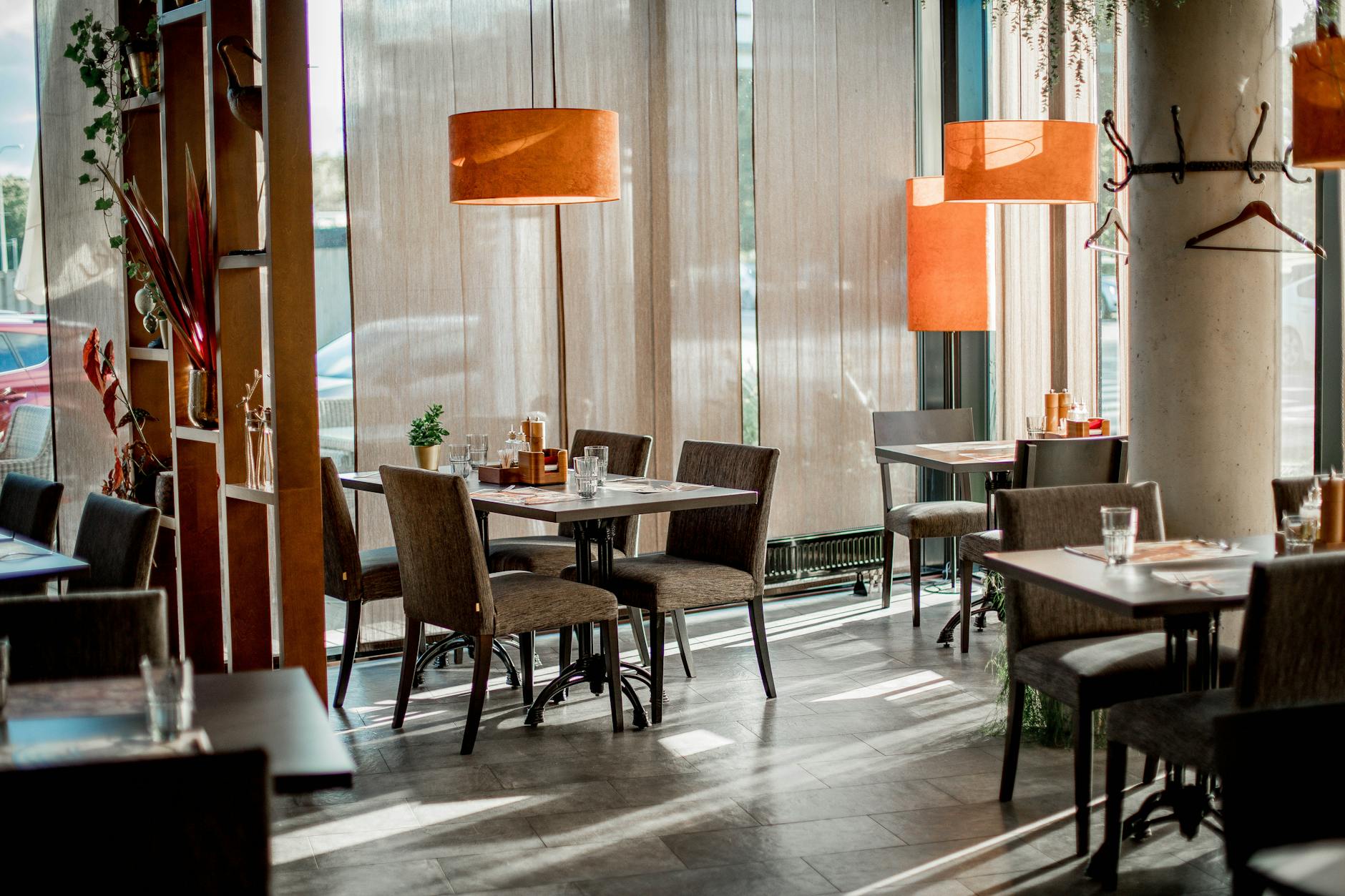
The lunch rush at downtown Seattle’s Metropolitan Grill used to peak at exactly 12:30 PM, with lines of suited professionals waiting thirty minutes for tables. Today, the same restaurant struggles to fill half its seats during what was once the busiest hour of the day. This transformation reflects a seismic shift happening across America’s urban cores as corporate return-to-office mandates collide with changed worker expectations, fundamentally altering the restaurant industry’s most lucrative market segment.
Since 2023, major corporations from Goldman Sachs to Disney have implemented increasingly strict return-to-office policies, yet the results haven’t delivered the downtown dining revival restaurant owners hoped for. Instead, a complex new landscape has emerged where some establishments thrive while others face permanent closure, creating winners and losers in ways few predicted.
The New Geography of Corporate Dining
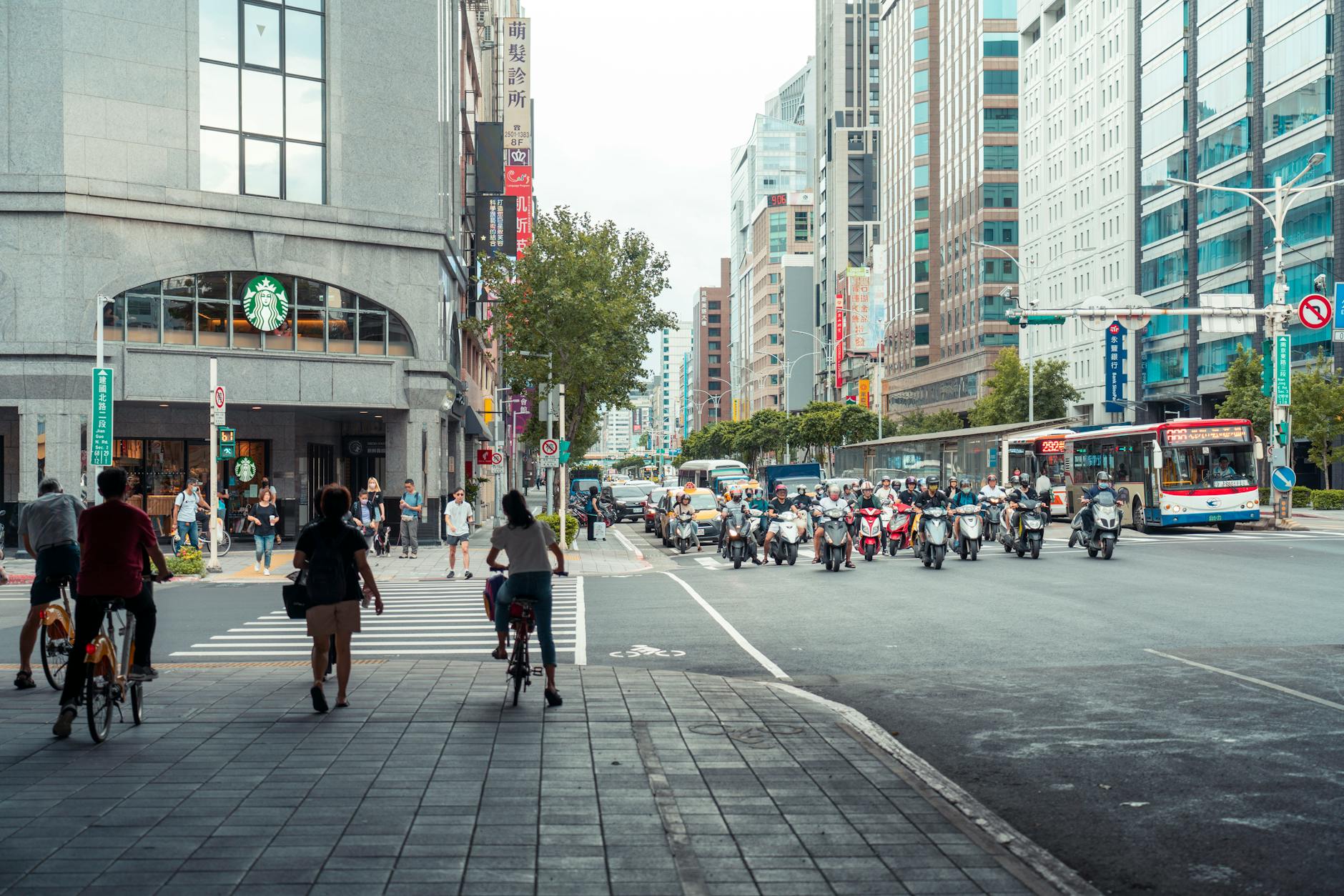
Corporate return-to-office mandates have created an uneven patchwork of foot traffic across downtown districts. Companies requiring five days in-office generate predictable lunch crowds, but the majority of firms have settled on hybrid schedules that concentrate workers on Tuesdays through Thursdays. This concentration effect has proven both blessing and curse for downtown restaurants.
“We’ve had to completely reimagine our business model,” says Maria Rodriguez, owner of three downtown Chicago establishments. “Tuesday through Thursday, we’re packed. Monday and Friday, we might as well be closed. The old model of steady weekday traffic is gone forever.”
Data from the National Restaurant Association shows downtown lunch revenues remain 25% below pre-pandemic levels, but the decline isn’t uniform. Fast-casual chains like Sweetgreen and Chipotle have adapted quickly, opening smaller footprint locations and enhancing mobile ordering capabilities. Meanwhile, traditional sit-down restaurants that depended on lengthy business lunches struggle to justify their overhead costs.
The shift has also created geographic clustering within downtown areas. Restaurants near companies with strict return-to-office policies report stronger recovery, while establishments in districts dominated by flexible-work employers face ongoing challenges. This disparity has led to a consolidation effect, with successful restaurants expanding into spaces vacated by failed competitors.
Adaptation Strategies and Menu Evolution
Restaurant operators have deployed increasingly creative strategies to survive the new normal. Many have shortened lunch service hours while extending happy hour periods to capture the hybrid workforce’s flexible schedules. Others have pivoted toward catering corporate events and meetings, recognizing that companies now invest more heavily in bringing teams together for special occasions.
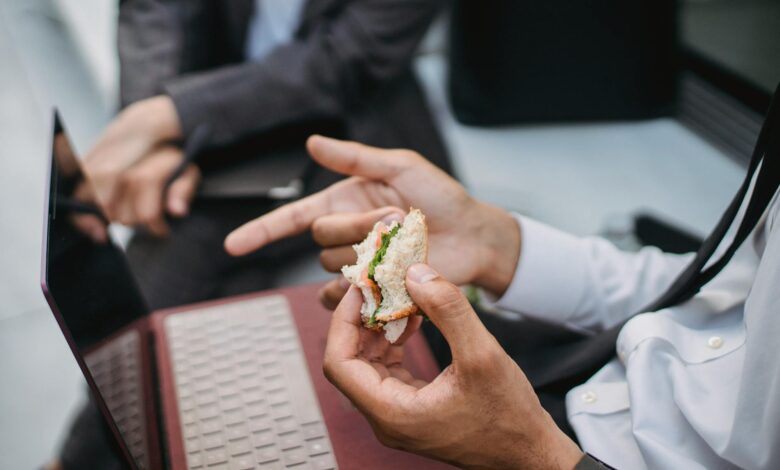
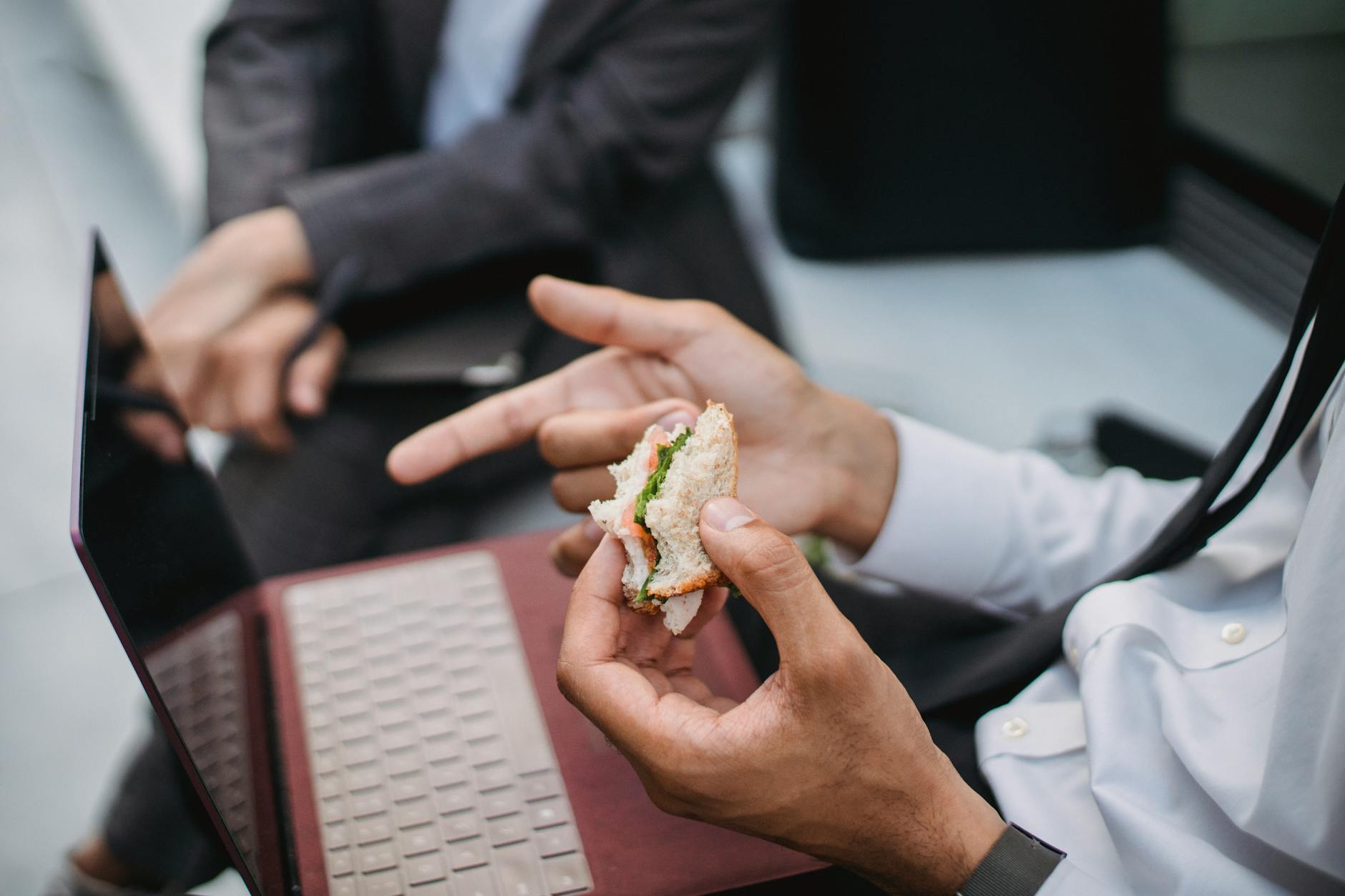
The menu evolution has been equally dramatic. Quick, portable options have gained prominence as workers face pressure to maximize their limited office time. Grain bowls, artisanal sandwiches, and grab-and-go options now dominate downtown lunch menus. Traditional three-course business lunches have largely disappeared, replaced by efficient meals that can be consumed while walking or during brief breaks.
Technology integration has accelerated beyond simple mobile ordering. Restaurants now use predictive analytics to staff based on corporate calendar data, tracking which companies hold all-hands meetings or major events that might affect lunch traffic. Some establishments have formed partnerships with office buildings to provide exclusive catering services or in-building micro-restaurants.
The labor implications have been substantial. Many restaurants have shifted from full-time to part-time staffing models, bringing in workers only during peak mid-week periods. This change has contributed to broader economic trends, with some displaced restaurant workers turning to side hustles as documented in recent economic analyses of recession-driven employment shifts.
The Ripple Effect on Commercial Real Estate
Restaurant closures and downsizing have accelerated changes in downtown commercial real estate markets. Ground-floor retail spaces that once commanded premium rents now sit vacant for months. Property owners have been forced to offer significant concessions, including reduced rent, longer lease terms, and tenant improvement allowances to attract restaurant tenants.
This shift has opened opportunities for different types of businesses. Co-working spaces, fitness studios, and service providers targeting the hybrid workforce have moved into former restaurant locations. The traditional downtown ecosystem of restaurants, retail, and offices is evolving into something more diverse but less predictable.
Some cities have responded with policy interventions. San Francisco has relaxed permitting requirements for outdoor dining and food trucks, while New York has expedited approvals for restaurant format changes. These measures aim to help establishments adapt quickly to changing demand patterns without lengthy bureaucratic delays.
The real estate transformation extends beyond individual restaurants. Food courts in office buildings have reimagined themselves as flexible spaces that can serve different functions depending on daily occupancy levels. Some now host co-working areas during slow periods or convert to event spaces for corporate functions.
Looking Ahead: A Permanent Transformation
The restaurant industry’s adaptation to hybrid work patterns appears to be crystallizing into permanent changes rather than temporary adjustments. Successful downtown restaurants have embraced flexibility as a core business principle, developing multiple revenue streams and service models that can pivot based on daily demand fluctuations.
Emerging technologies are enabling even more sophisticated responses to variable foot traffic. Restaurants now use artificial intelligence to optimize everything from inventory management to staff scheduling, reducing waste during slow periods while ensuring adequate service during busy times. Some establishments have implemented dynamic pricing models, offering discounts during typically slow periods to smooth out demand curves.
The broader economic implications extend well beyond individual restaurants. Downtown districts are evolving into more diverse, adaptable spaces that serve multiple functions throughout the day. This transformation may ultimately create more resilient urban cores, even as it challenges traditional business models.
As corporate return-to-office policies continue evolving, restaurant operators who have successfully navigated this transition are positioning themselves for long-term success. The industry’s future lies not in returning to pre-pandemic norms but in embracing the new realities of hybrid work and the opportunities they create for innovative food service concepts.
The downtown restaurant market of 2024 bears little resemblance to its pre-pandemic predecessor, but early indicators suggest the survivors may emerge stronger and more adaptable than ever before.
Frequently Asked Questions
How have return-to-office mandates affected downtown restaurants?
They’ve created uneven demand patterns with busy mid-week periods but slow Mondays and Fridays, forcing major business model changes.
What strategies are restaurants using to adapt to hybrid work?
Many have shortened lunch hours, extended happy hours, added grab-and-go options, and used technology to predict daily demand patterns.