

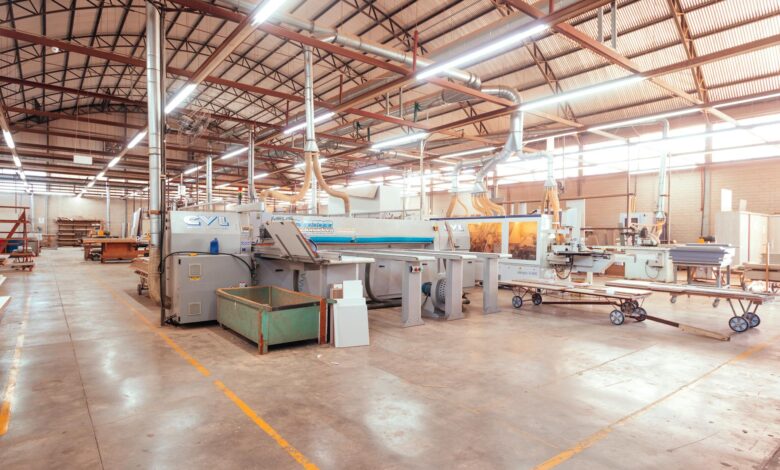
Defense contractors are quietly executing one of the largest industrial relocations in decades, moving operations from traditional manufacturing hubs to states along the Mexican border. This strategic shift, driven by supply chain resilience demands and cost pressures, is reshaping America’s military-industrial landscape while creating new economic powerhouses in unexpected places.
The movement represents more than just corporate cost-cutting. As geopolitical tensions mount and defense spending increases, contractors are positioning themselves closer to critical supply chains and emerging manufacturing corridors. Texas, Arizona, and New Mexico are becoming the new epicenters of American defense production, attracting billions in investment and thousands of high-paying jobs.
Border States Emerge as Defense Manufacturing Hubs
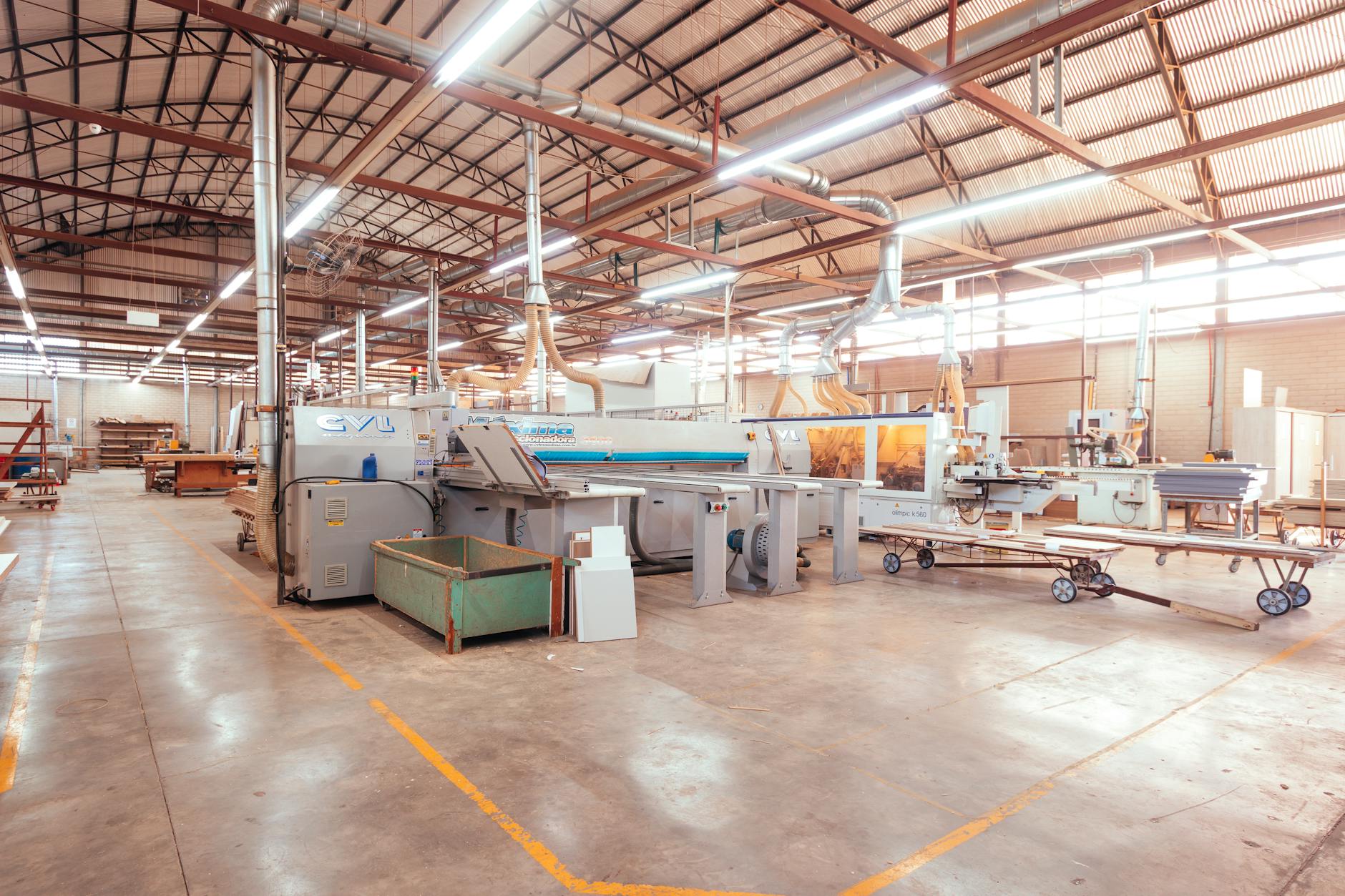
Texas leads this transformation, with major defense contractors establishing significant operations across the state. Lockheed Martin has expanded its Fort Worth facility, which produces the F-35 Lightning II fighter jet, while Raytheon Technologies has increased its presence in McKinney and El Paso. The state’s business-friendly environment, abundant energy resources, and proximity to Mexico’s manufacturing sector create compelling advantages for defense companies seeking operational flexibility.
Arizona has become a magnet for aerospace and defense firms, particularly in the Phoenix metropolitan area. Boeing maintains a substantial presence there, and numerous smaller contractors have established facilities to support major programs. The state’s strategic location allows companies to leverage both domestic talent and cross-border supply chains while maintaining security clearance requirements.
New Mexico, traditionally dependent on Los Alamos National Laboratory and Sandia National Laboratories, is diversifying its defense sector. Private contractors are establishing facilities near these research centers, creating synergies between government research and commercial defense production. The state’s lower operating costs and established security infrastructure make it attractive for classified programs.
The relocation trend extends beyond prime contractors. Suppliers and subcontractors are following their customers, creating entire ecosystems of defense-related businesses. This clustering effect amplifies the economic impact, as government contractor job growth transforms entire regions, though in this case, it’s building new industrial centers rather than revitalizing old ones.
Supply Chain Resilience Drives Strategic Decisions
Recent supply chain disruptions have fundamentally altered how defense contractors think about geographic distribution. The COVID-19 pandemic exposed vulnerabilities in concentrated manufacturing networks, while trade tensions highlighted risks of over-dependence on specific regions or countries. Border state locations offer multiple advantages for supply chain resilience.
Proximity to Mexico provides access to established manufacturing networks while maintaining North American supply chain security. Many components and materials can be sourced from Mexican facilities, reducing dependence on Asian suppliers and shortening delivery times. This nearshoring approach aligns with broader trends across American manufacturing, where companies are bringing production closer to home markets.

The border location also provides logistical advantages for companies serving both domestic and international markets. Ports of entry in Texas, Arizona, and New Mexico facilitate efficient movement of materials and finished products, while rail and highway networks connect these facilities to major population centers and military installations across the country.
Energy infrastructure in border states, particularly Texas, offers another strategic advantage. Defense manufacturing often requires substantial power consumption, and access to diverse energy sources, including renewable options, provides both cost benefits and operational security. Some contractors are even investing in on-site power generation to ensure uninterrupted operations during grid disruptions.
Labor markets in border states present both opportunities and challenges. While these regions offer lower costs than traditional defense manufacturing centers like California or the Northeast, they also require significant workforce development investments. Companies are partnering with universities and community colleges to create specialized training programs for defense industry jobs.
Economic Impact and Regional Transformation
The economic impact of defense contractor relocation extends far beyond direct employment. Each defense job typically supports multiple positions in supporting industries, from specialized suppliers to local services. Border states are experiencing ripple effects as these new industrial centers attract additional businesses and residents.
Housing markets in cities like Fort Worth, Phoenix, and Albuquerque have seen increased demand as defense workers relocate. Local governments are investing in infrastructure improvements to support growing industrial areas, while educational institutions are expanding programs to meet workforce needs.
The transformation mirrors broader manufacturing trends, where companies are diversifying locations to reduce risks and capitalize on regional advantages. Unlike manufacturers stockpiling materials due to tariff uncertainties, defense contractors are making long-term strategic moves based on operational requirements and market positioning.
Small and medium-sized suppliers are particularly benefiting from this shift. Many specialized defense suppliers that previously struggled to compete from remote locations now find themselves strategically positioned as prime contractors establish nearby operations. This geographic clustering reduces transportation costs and improves collaboration on complex projects.
State and local governments are actively competing for defense contractor investments through tax incentives, infrastructure improvements, and regulatory streamlining. These efforts reflect recognition that defense manufacturing provides stable, high-paying employment that’s less susceptible to economic downturns than other industries.
Challenges and Future Implications
Despite clear advantages, the relocation trend faces significant challenges. Security clearance requirements limit hiring flexibility, as companies must ensure workers meet stringent background check standards. This constraint is particularly acute in border regions, where international proximity raises additional security considerations.
Talent acquisition remains a persistent challenge. While border states offer cost advantages, they often lack the deep pools of experienced defense industry workers found in traditional manufacturing centers. Companies are investing heavily in training programs and offering competitive packages to attract workers from other regions.
Infrastructure limitations in some areas require substantial investments. While major cities in border states have well-developed industrial infrastructure, some contractors are establishing operations in smaller communities that require upgrades to transportation networks, utilities, and communication systems.
The trend is likely to accelerate as defense spending increases and contractors seek competitive advantages. Climate considerations may also drive future location decisions, as companies evaluate long-term risks from extreme weather events and seek facilities in more resilient locations.
International considerations add complexity to border state operations. While proximity to Mexico offers supply chain advantages, companies must navigate complex regulations governing defense exports and foreign national access to sensitive materials and information. These requirements can limit operational flexibility but are manageable with proper planning and security measures.
The defense contractor migration to border states represents a fundamental shift in American industrial geography. As these companies establish deeper roots in their new locations, they’re creating lasting economic impacts that will shape regional development for decades. The success of this transition will depend on continued investment in workforce development, infrastructure, and security measures that balance operational efficiency with national security requirements.
Frequently Asked Questions
Why are defense contractors moving to border states?
They’re seeking supply chain resilience, lower costs, and proximity to Mexican manufacturing while maintaining security requirements.
Which border states are attracting the most defense contractors?
Texas leads the trend, followed by Arizona and New Mexico, due to business-friendly policies and strategic locations.