How Electric Vehicle Battery Recycling Is Creating Manufacturing Jobs in Rust Belt States

Battery Plants Transform Former Industrial Towns
The same states that once powered America’s automotive industry are experiencing a manufacturing renaissance, but this time it’s driven by electric vehicle battery recycling. From Ohio to Michigan, former steel towns and automotive hubs are attracting billions in investment as companies race to recover critical materials from spent EV batteries.
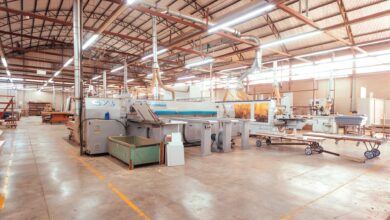
The transformation is dramatic. Where abandoned factories once stood, new facilities are processing thousands of tons of lithium-ion batteries monthly. These operations extract valuable metals like lithium, cobalt, and nickel that would otherwise require expensive mining operations overseas. The economic impact extends far beyond the factory floor, creating ripple effects through local suppliers, transportation networks, and service industries.
Battery recycling represents more than environmental responsibility-it’s become a strategic economic imperative. With EV sales projected to reach 40% of new car purchases by 2030, the volume of batteries requiring recycling will surge exponentially. Companies are positioning themselves in the Rust Belt not just for its industrial infrastructure, but for its skilled workforce already familiar with complex manufacturing processes.
Major Investments Reshape Regional Employment
Redwood Materials, founded by former Tesla executive JB Straubel, has committed to a multi-billion-dollar facility in Nevada while partnering with operations across the Rust Belt. The company’s approach involves establishing regional collection networks that funnel batteries to central processing facilities, creating jobs at multiple levels of the supply chain.
Li-Cycle, a Canadian company, has established operations in Rochester, New York, and is expanding into Ohio. Their unique approach breaks down batteries into component materials without the high-temperature smelting traditionally used in metal recovery. This process requires skilled technicians and engineers, positions that often pay significantly more than traditional manufacturing roles.
General Motors has announced partnerships with multiple recycling companies to establish closed-loop systems where materials from old batteries feed directly into new battery production. This vertical integration creates stable, long-term employment as automakers seek to reduce dependence on overseas mining operations.
The job creation extends beyond direct manufacturing. Transportation companies specializing in hazardous materials handling have expanded operations. Engineering firms are hiring specialists in battery chemistry and materials science. Even traditional scrap metal operations are retooling to handle the complex disassembly required before batteries enter recycling streams.
Skills Training Programs Bridge Industrial Transition
Community colleges across the region have rapidly developed battery technology programs. Pittsburgh Community College now offers a two-year associate degree in battery manufacturing and recycling technology. The program combines chemistry, electrical engineering, and safety protocols specific to lithium-ion systems.
Ford Motor Company has partnered with Wayne State University to create specialized training programs for workers transitioning from traditional automotive assembly to battery manufacturing and recycling. The program focuses on the unique safety requirements and technical skills needed to handle high-voltage systems and chemical processes.
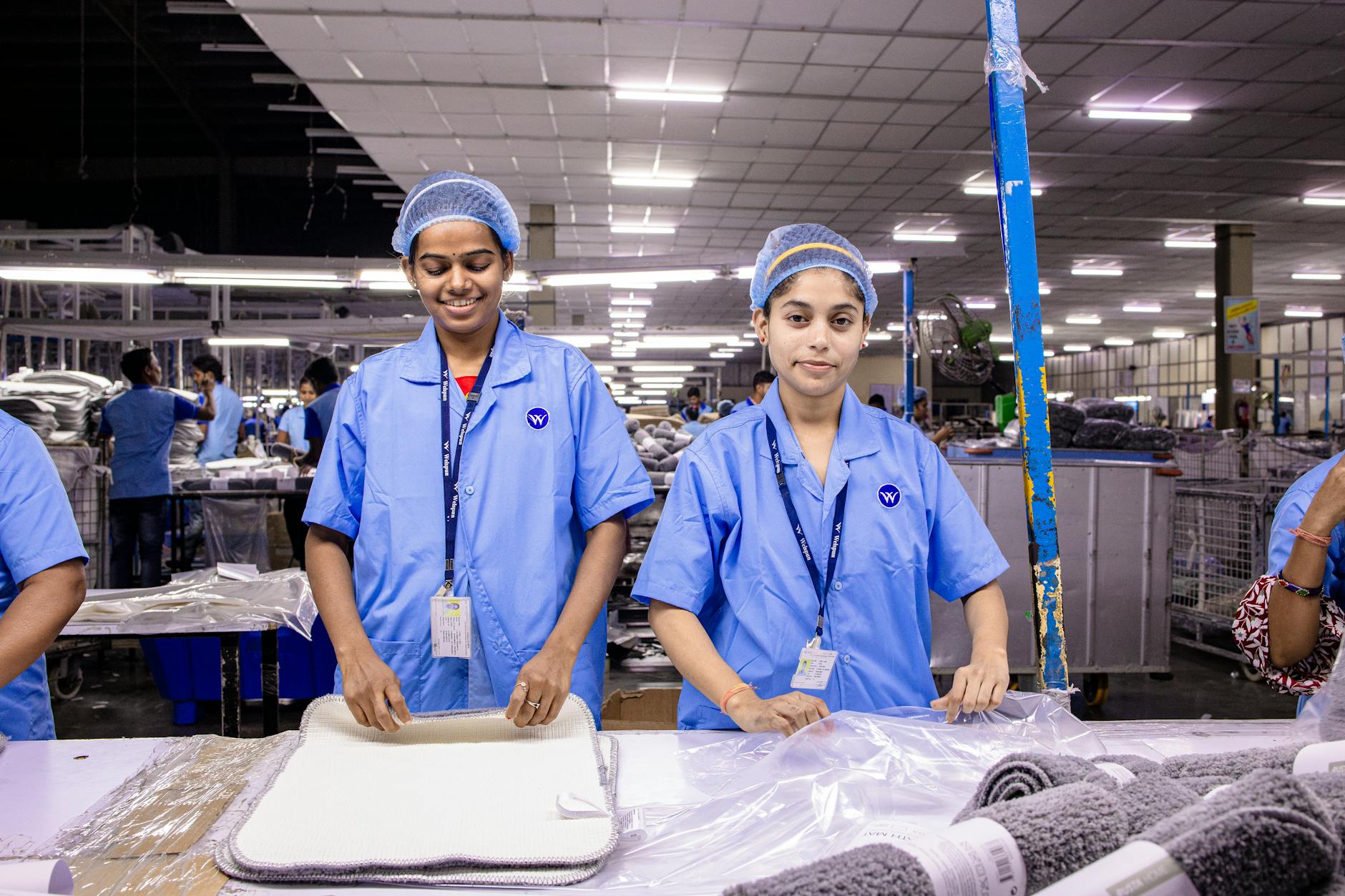
These educational initiatives address a critical challenge: while the region has abundant manufacturing experience, battery recycling requires new expertise. Workers must understand electrochemistry, hazardous material handling, and precision disassembly techniques. The combination of existing industrial skills with specialized battery knowledge creates particularly valuable employees.
Labor unions have embraced the transition, recognizing that battery recycling offers higher-skilled, higher-wage alternatives to traditional manufacturing roles. The United Auto Workers has negotiated training provisions in recent contracts, ensuring members can transition into emerging technologies rather than compete for declining traditional positions.
Economic Multiplier Effects Strengthen Communities
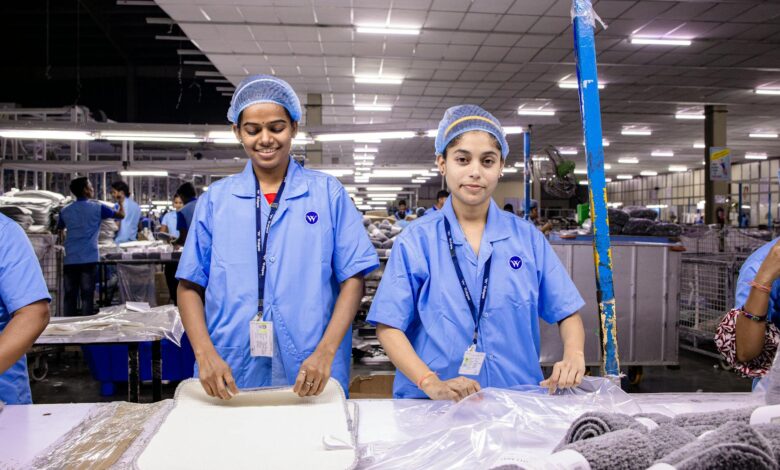
The impact of battery recycling extends far beyond the factories themselves. Each direct manufacturing job typically creates 2-3 additional positions in supporting industries. Transportation companies have expanded fleets to handle battery collection and material distribution. Specialized equipment manufacturers have relocated operations to serve the growing industry.
Local governments are experiencing budget improvements as property values increase around new facilities. Tax revenues from high-value industrial operations help fund infrastructure improvements and public services. Some communities that struggled with population decline are seeing modest growth as young professionals relocate for technical positions.
The supply chain integration creates additional stability. Rather than relying on single large employers, communities now host networks of interconnected businesses. Battery disassembly operations feed materials to processing facilities, which supply refined materials to battery manufacturers, creating resilient local economies.
Real estate markets in former industrial areas are recovering as companies seek existing facilities with appropriate electrical infrastructure and transportation access. Properties that sat vacant for decades now command premium prices due to their suitability for battery operations.
Financial institutions are adapting to serve the industry’s unique needs. Regional banks have developed expertise in financing hazardous material operations and equipment leasing arrangements. This financial infrastructure supports smaller companies entering the battery recycling ecosystem, similar to recent trends in municipal borrowing where lower rates enable infrastructure investments.
Future Growth Projections and Challenges
Industry analysts project the battery recycling sector will require 50,000 additional workers by 2030 as EV adoption accelerates. The Rust Belt’s combination of industrial infrastructure, skilled workforce, and geographic positioning makes it ideally suited to capture a significant portion of this growth.
However, challenges remain. Regulatory frameworks for battery recycling are still evolving, creating uncertainty for long-term planning. International trade policies affect the economics of importing batteries versus exporting refined materials. Companies must navigate complex environmental regulations while maintaining competitive cost structures.
The workforce development pipeline requires continuous expansion. While current training programs show promise, the industry’s rapid growth may outpace educational capacity. Companies are increasingly providing in-house training programs and apprenticeships to ensure adequate staffing levels.
Competition for skilled workers is intensifying as multiple industries seek similar technical expertise. Battery recycling competes with renewable energy, traditional automotive, and emerging technologies for engineers and technicians. This competition drives wages higher but may constrain growth if talent shortages develop.
The success of battery recycling in revitalizing Rust Belt manufacturing demonstrates how emerging technologies can leverage existing industrial strengths. As the electric vehicle revolution continues, these communities are positioned to play crucial roles in America’s sustainable transportation future while rebuilding their economic foundations on 21st-century industries.
Frequently Asked Questions
What types of jobs does battery recycling create?
Battery recycling creates manufacturing technician, engineering, transportation, and specialized chemistry positions, often paying more than traditional manufacturing roles.
Which states are seeing the most battery recycling investment?
Ohio, Michigan, Pennsylvania, and New York are attracting major battery recycling facilities due to existing industrial infrastructure and skilled workforces.