

The Silent Gold Rush: Ultra-Wealthy Families Target Critical Minerals
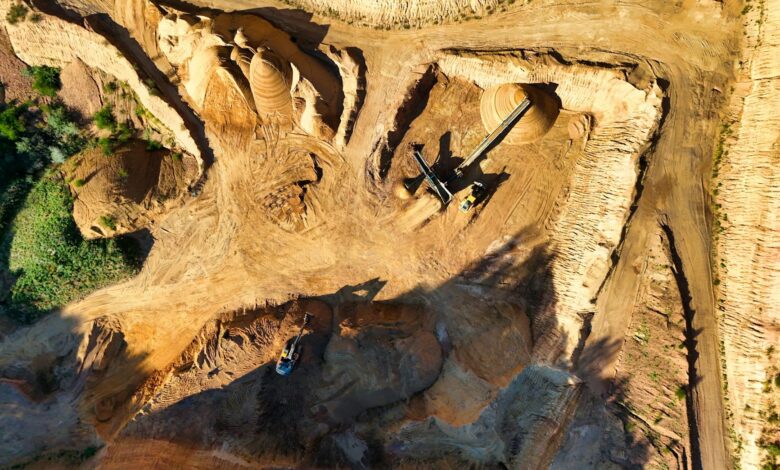
The world’s wealthiest families are quietly repositioning their investment portfolios around a modern gold rush that most people have never heard of. While retail investors chase meme stocks and cryptocurrency, family offices managing billions in generational wealth are pouring capital into rare earth mining operations across the globe. These elements, with exotic names like neodymium, dysprosium, and terbium, power everything from wind turbines to military defense systems.
The shift represents a fundamental change in how ultra-high-net-worth families think about asset allocation. Traditional blue-chip stocks and real estate no longer offer the same growth potential or strategic advantage they once did. Instead, these sophisticated investors are betting on the minerals that will define the next century of technological advancement.
Family offices, the private investment firms that manage wealth for individuals worth more than $100 million, control an estimated $6 trillion globally. Their recent pivot toward rare earth investments signals a broader recognition that whoever controls these critical materials will hold significant geopolitical and economic power in the decades ahead.
Why Smart Money Follows Supply Chain Vulnerability
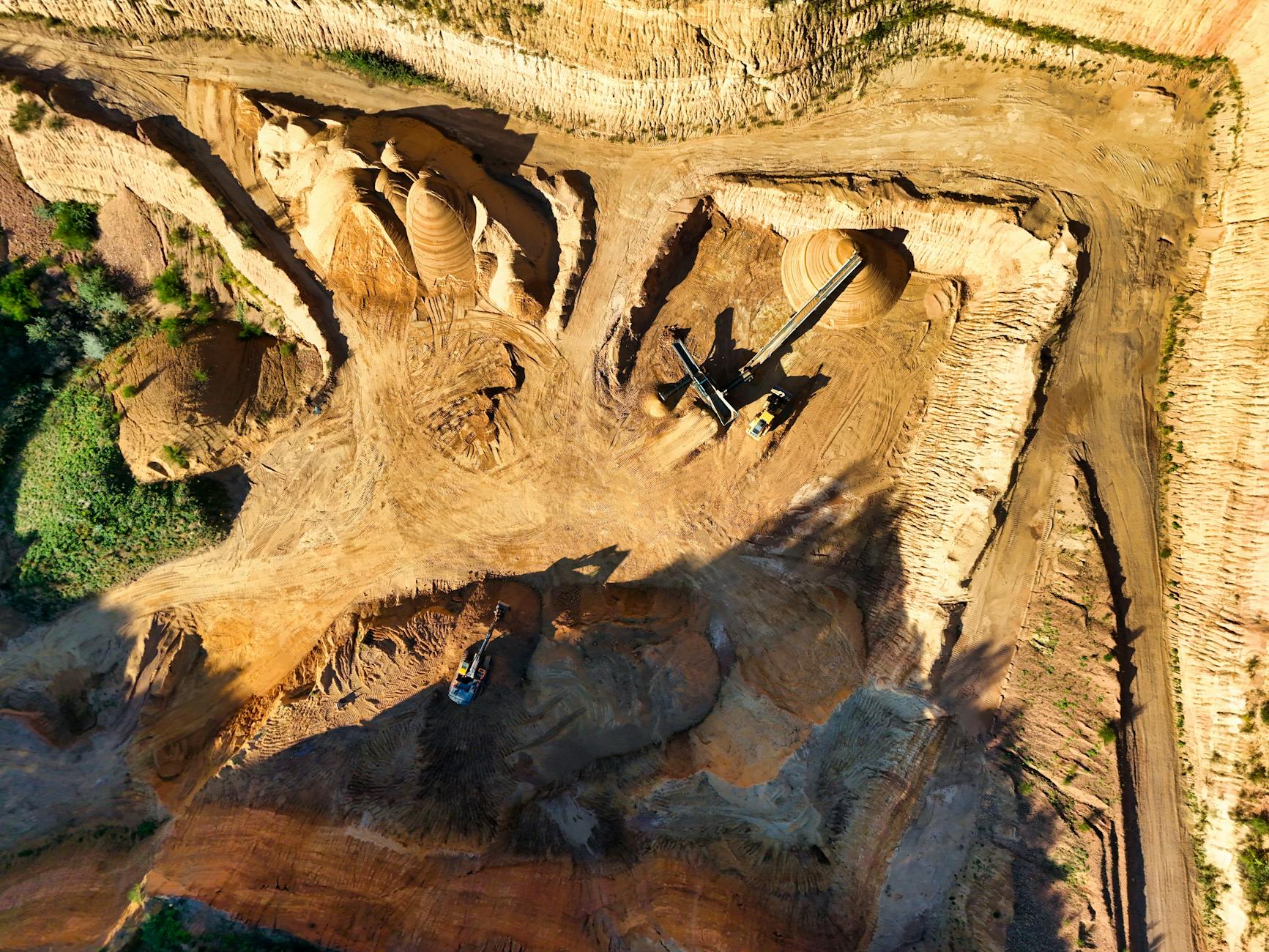
China currently controls approximately 80% of global rare earth production, creating a strategic vulnerability that family offices view as both risk and opportunity. The Chinese government’s periodic restrictions on rare earth exports have sent shockwaves through technology and defense industries, highlighting just how dependent Western economies have become on these materials.
“We’re looking at a commodity supercycle unlike anything we’ve seen before,” explains one family office principal who requested anonymity. “The energy transition alone will require massive increases in rare earth production, and there simply aren’t enough non-Chinese sources to meet demand.”
The numbers support this assessment. Electric vehicle production requires significant quantities of rare earth elements for motors and batteries. A single wind turbine contains up to 600 pounds of rare earth materials. Solar panels, smartphones, and advanced military systems all depend on these critical minerals. As governments worldwide push green energy initiatives and reshore manufacturing, the demand surge appears inevitable.
Family offices are particularly drawn to mining projects in politically stable jurisdictions like Australia, Canada, and parts of Africa. These investments often involve direct partnerships with mining companies, providing capital for exploration and development in exchange for long-term supply agreements or equity stakes.
The Infrastructure Play Behind the Mining Rush
Beyond raw material extraction, wealthy families are investing in the entire rare earth value chain. Processing facilities, which transform raw ore into usable materials, represent particularly attractive opportunities. Currently, China dominates not just mining but also the complex refining processes that turn raw rare earths into industrial-grade materials.
Several family offices have quietly funded processing plants in Texas, Australia, and Malaysia. These facilities can take years to become operational but offer the potential for extraordinary returns once they reach full production capacity. The processing stage typically generates higher margins than mining alone, making it especially attractive to long-term investors.
Transportation and logistics also present investment opportunities. Rare earth materials require specialized handling and storage facilities. Some family offices have invested in dedicated shipping companies and port facilities designed specifically for these sensitive materials.
The military applications add another layer of strategic importance. Defense contractors require steady supplies of rare earths for guided missiles, radar systems, and advanced aircraft. Family offices with connections to defense spending view rare earth investments as partially insulated from economic downturns.
Risk Management in an Uncertain Market
Rare earth investing carries significant risks that family offices are carefully managing through diversification and due diligence. Environmental regulations can shut down mining operations overnight. Geological surveys don’t always translate into viable extraction sites. Political instability in resource-rich countries can derail projects after millions in investment.
Family offices are addressing these risks through several strategies. Many spread investments across multiple geographic regions and different stages of the supply chain. Others partner with established mining companies rather than funding startups from scratch. Some focus on recycling technologies that extract rare earths from electronic waste, reducing dependence on new mining operations.
The volatility of rare earth prices presents both opportunity and challenge. Prices can swing dramatically based on Chinese export policies, technological breakthroughs, or shifts in government policy. Family offices with longer investment horizons can weather this volatility better than traditional fund managers focused on quarterly returns.
Several family offices have also invested in research and development of alternative materials that could reduce rare earth dependence. While these technologies remain largely experimental, they represent potential hedge bets against future supply disruptions.
Geopolitical Chess and Future Positioning
The rare earth investment strategy extends beyond simple profit motives into geopolitical positioning. Family offices recognize that control over critical materials translates into influence over global supply chains and national security priorities. This perspective aligns with broader trends among ultra-wealthy families seeking investments that provide both financial returns and strategic advantages.
As private wealth managers increasingly use sophisticated analytical tools to identify emerging opportunities, rare earth investments represent the convergence of multiple mega-trends: technological advancement, energy transition, supply chain reshoring, and geopolitical competition.

The timeline for these investments typically extends 10 to 20 years, matching the generational wealth preservation goals of family offices. Unlike public markets focused on quarterly earnings, these private investors can commit capital to projects that may not generate significant returns for several years but offer the potential for transformational wealth creation.
Government policies supporting domestic rare earth production create additional tailwinds for these investments. The United States, European Union, and other Western governments have announced billions in funding for critical mineral projects. Family offices positioned early in this space stand to benefit from both private returns and public sector support.
The rare earth investment thesis ultimately rests on a simple premise: the modern economy increasingly depends on materials controlled by a single country with complex geopolitical relationships. Family offices betting on alternative supply chains are wagering that this dependence will drive sustained demand for their investments regardless of broader market conditions. As global tensions continue to shape economic policy, these strategic mineral investments may prove to be the most prescient wealth preservation strategy of the current decade.
Frequently Asked Questions
Why are family offices investing in rare earth mining?
China controls 80% of production, creating supply vulnerability and investment opportunities as demand surges for green technology and defense applications.
What are the main risks of rare earth investments?
Environmental regulations, geological uncertainties, political instability, and price volatility pose significant challenges for mining investments.