
Restaurant managers across New York, Los Angeles, and Chicago are watching their labor budgets spiral as delivery apps reshape how Americans eat. What started as a convenience for consumers has become a complex economic puzzle forcing establishments to juggle multiple revenue streams while struggling to maintain adequate staffing levels.
The numbers tell a stark story. Restaurants now allocate 15-20% more hours weekly to fulfill delivery orders compared to traditional dine-in service, according to industry reports. This shift has created unexpected pressure points in urban labor markets, where competition for skilled kitchen staff was already fierce before apps like DoorDash, Uber Eats, and Grubhub became household names.
The Hidden Labor Multiplication Effect
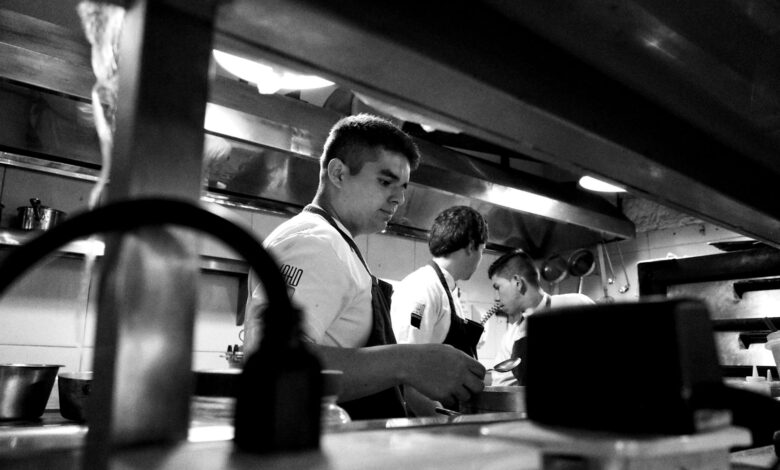
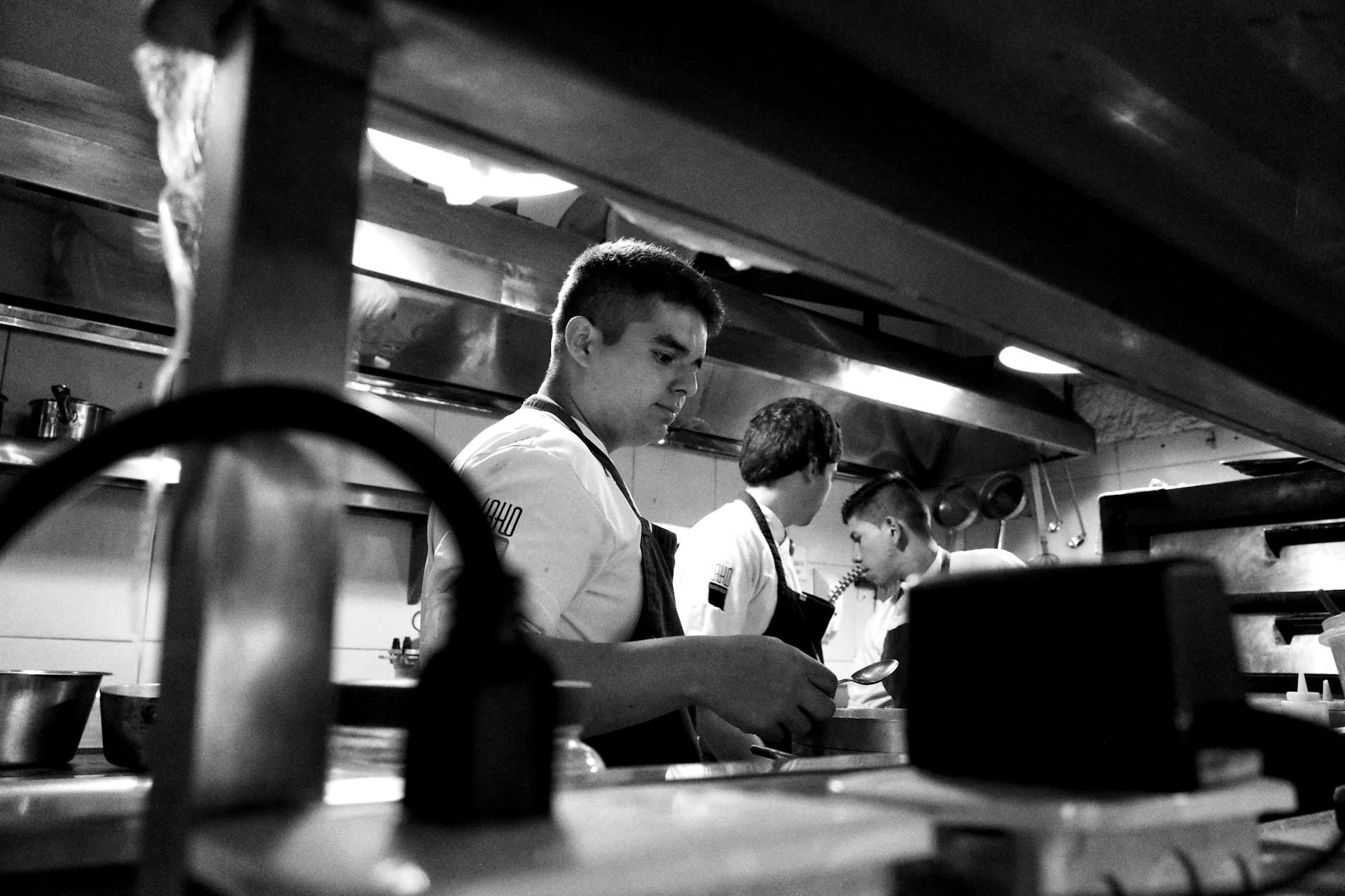
Behind every seamless delivery experience lies a web of additional labor requirements most consumers never see. Restaurants must now maintain separate preparation areas for delivery orders, assign dedicated staff to manage multiple app platforms, and coordinate timing across different pickup schedules throughout the day.
“We’re essentially running two restaurants in one space,” explains Maria Santos, operations manager for a popular Italian chain with locations across three major cities. “Our kitchen staff prepares the same dish differently depending on whether it’s for dine-in or delivery. The packaging requirements alone add 3-4 minutes per order.”
This complexity has forced restaurants to rethink traditional scheduling models. Peak delivery hours don’t always align with traditional rush periods, meaning establishments need coverage during previously slower times. Many restaurants report needing 20-30% more kitchen staff to handle the dual demands of in-person dining and delivery preparation.
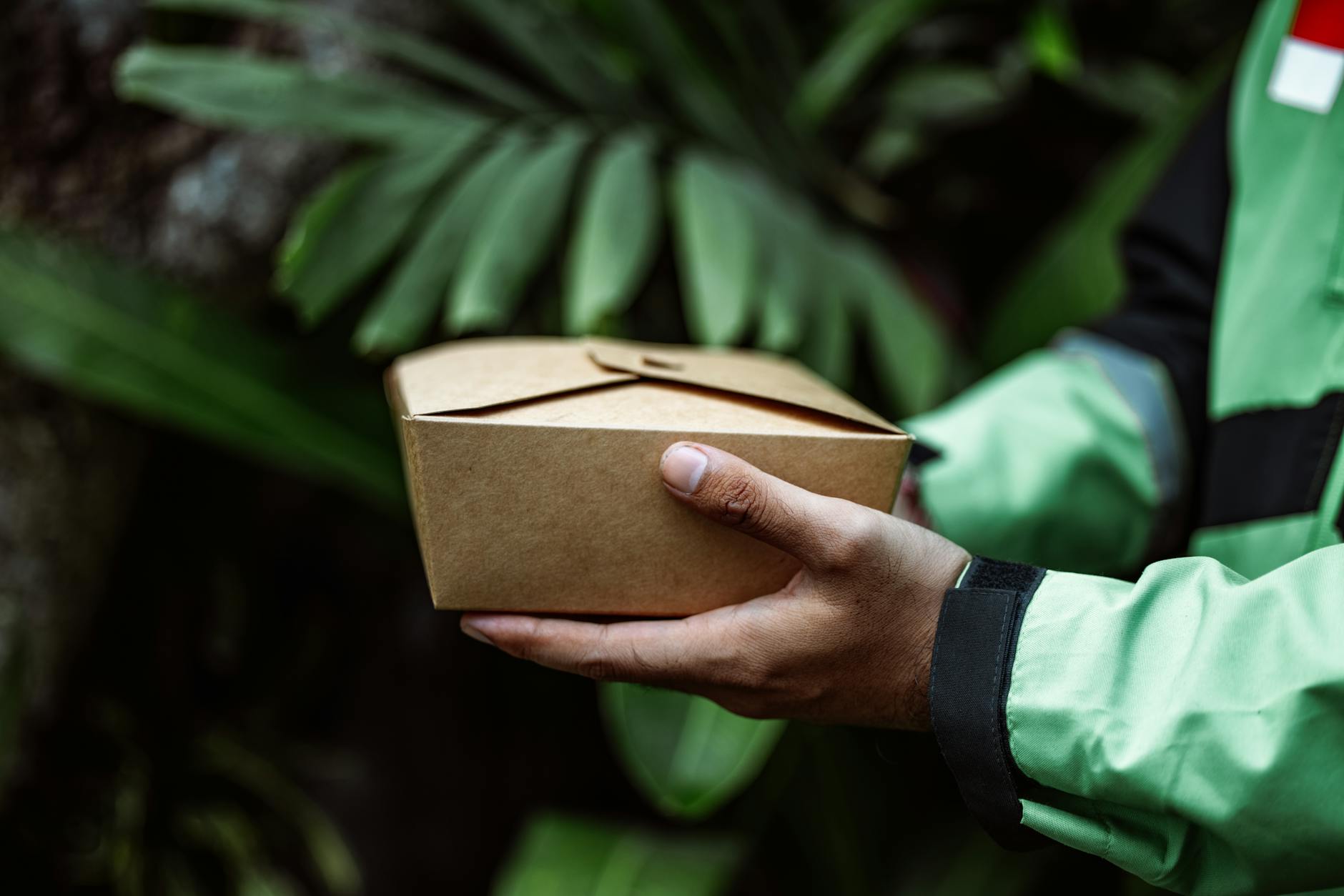
The packaging and quality control processes create additional bottlenecks. Delivery orders require specialized containers, proper sealing, and often different preparation methods to ensure food arrives in acceptable condition. Some establishments have hired dedicated “delivery specialists” whose sole job is managing app orders and ensuring proper packaging protocols.
Competition Intensifies for Kitchen Talent
The delivery boom has created unexpected competition between restaurants and delivery platforms for the same pool of workers. Many kitchen staff discover they can earn more as delivery drivers, especially during peak hours, leading to higher turnover rates in restaurant kitchens.
“We lost three line cooks in two months to delivery driving,” reports James Mitchell, head chef at a Brooklyn restaurant. “The flexible schedule and potential for higher hourly earnings during busy periods makes it attractive, especially for younger workers.”
This talent drain has forced restaurants to increase wages for kitchen positions. Industry data shows line cook wages in major metropolitan areas have risen 12-18% over the past two years, with many establishments offering signing bonuses and enhanced benefits packages to retain experienced staff.
The situation mirrors broader labor market shifts happening across industries, similar to how trade tensions are driving changes in manufacturing employment patterns in other sectors.
Some restaurants have responded by cross-training existing staff to handle multiple roles, from food preparation to order management. This approach requires additional training investment but helps establishments maintain flexibility during varying demand periods throughout the day.
Technology Integration Drives New Roles
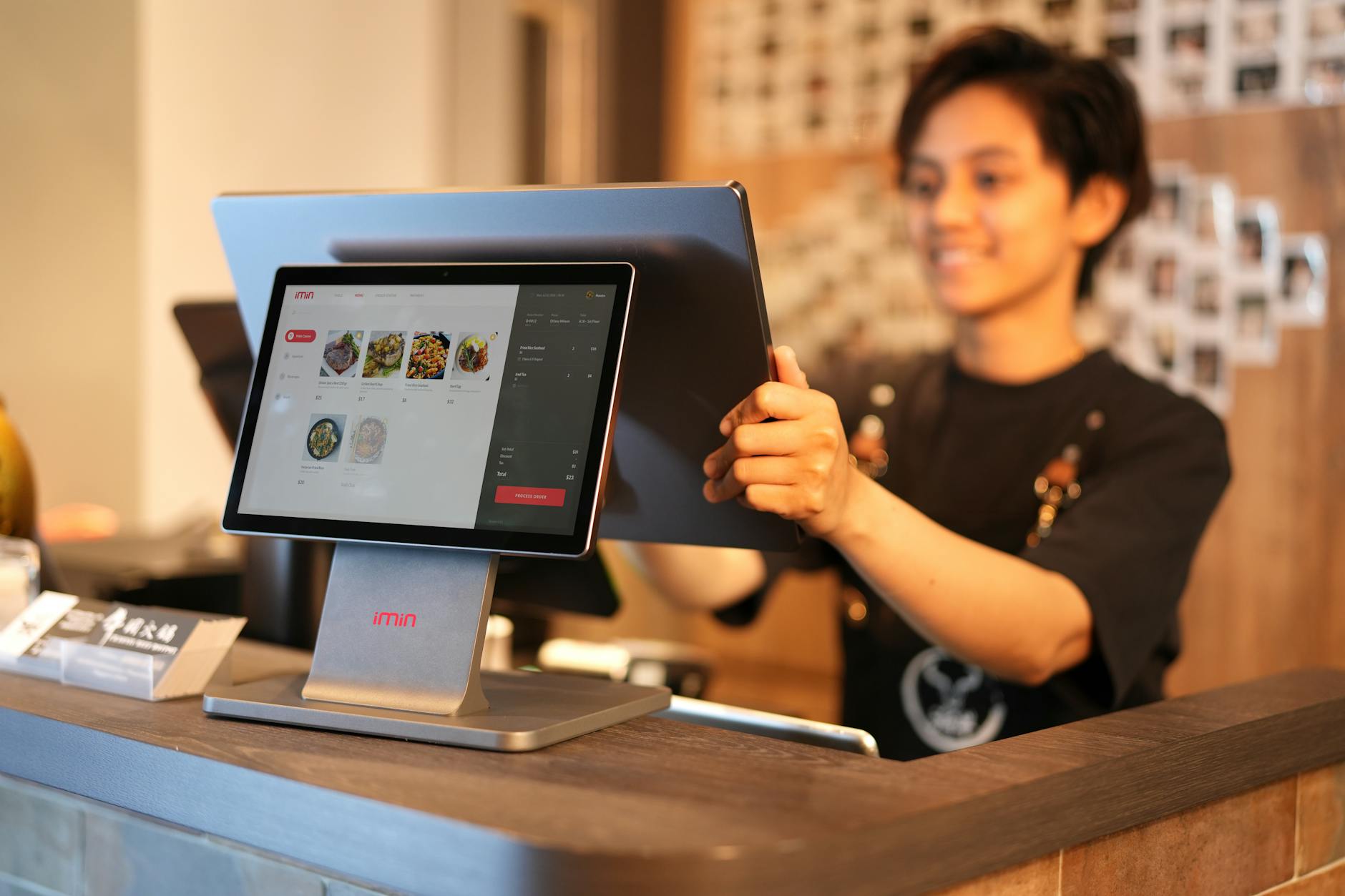
Managing multiple delivery platforms has created entirely new job categories within restaurant operations. Many establishments now employ “app coordinators” who monitor order flow across different platforms, adjust menu availability in real-time, and troubleshoot technical issues that could delay orders.
These coordinators typically earn $18-22 per hour in major cities, representing a new layer of operational expense restaurants hadn’t budgeted for previously. The role requires understanding each platform’s unique interface, managing customer communications through different apps, and coordinating with kitchen staff to optimize order timing.
Restaurant point-of-sale systems have also required significant upgrades to integrate with delivery platforms. Many establishments report spending $15,000-25,000 on new technology infrastructure to properly manage multi-platform operations, costs that ultimately affect staffing budgets as owners balance technology investments with labor expenses.
The learning curve for existing staff has been substantial. Servers and managers who previously focused solely on in-house customers now must understand delivery logistics, app-specific protocols, and quality standards that differ significantly from traditional restaurant service.
Regional Variations Create Uneven Pressures
Labor cost impacts vary significantly across different metropolitan areas, with coastal cities experiencing the most dramatic changes. San Francisco restaurants report delivery-related labor costs running 25-30% higher than establishments in cities like Atlanta or Denver, where both base wages and competition for workers remain more manageable.
New York City presents unique challenges due to recent legislation requiring delivery apps to provide more detailed earnings information to drivers. This transparency has led to increased driver wages, which indirectly affects restaurant labor costs as delivery platforms adjust their fee structures and service requirements.
Chicago’s restaurant scene has seen different pressures, with many establishments focusing on optimizing existing staff rather than hiring additional workers. The city’s lower cost of living compared to coastal markets has allowed some restaurants to absorb delivery-related labor increases without dramatically restructuring their operations.
Looking Ahead: Automation and Adaptation
Restaurant industry leaders predict the current labor cost pressures will drive increased automation adoption over the next 24 months. Some establishments are already experimenting with automated order routing systems and kitchen display technologies designed to streamline delivery preparation processes.
The ghost kitchen concept continues gaining traction as a potential solution to labor efficiency challenges. These delivery-only operations can optimize staffing specifically for app-based orders without the complexities of managing both dine-in and delivery service simultaneously.
Labor economists suggest the delivery app phenomenon represents a permanent shift in restaurant economics rather than a temporary disruption. As consumer expectations for delivery speed and quality continue rising, restaurants must find sustainable ways to balance operational complexity with profitability.
The industry’s adaptation strategies will likely influence broader service sector employment patterns, potentially creating new models for managing multi-platform operations across various business types. Restaurants serving as early laboratories for these operational challenges may provide insights applicable to retail, healthcare, and other service industries facing similar technological disruptions.
Frequently Asked Questions
How much have restaurant labor costs increased due to delivery apps?
Restaurants report 15-20% higher labor costs, needing 20-30% more kitchen staff to handle dual dine-in and delivery operations.
What new jobs are delivery apps creating in restaurants?
New roles include app coordinators, delivery specialists, and cross-trained staff to manage multiple platforms and packaging requirements.