

The drivers logging into DoorDash at 6 AM don’t clock in at a traditional workplace. They don’t have managers watching over their shoulders or HR departments to file complaints with. Yet increasingly, these independent contractors are finding ways to organize, negotiate, and demand better working conditions through innovative digital labor unions that exist entirely online.
This new form of worker organization represents a fundamental shift in how labor movements adapt to the gig economy. Unlike traditional unions that rely on physical workplaces and formal employee relationships, digital labor unions are leveraging technology to connect scattered workers across platforms, cities, and even countries. The movement is gaining momentum as gig workers face mounting economic pressures, algorithmic management, and limited worker protections.
The rise of these digital collectives comes at a critical time. The Bureau of Labor Statistics estimates that over 16 million Americans work in alternative employment arrangements, with many more participating in gig work as supplemental income. These workers often lack the traditional employment benefits and bargaining power that come with formal employment relationships.
The Technology Behind Digital Organization
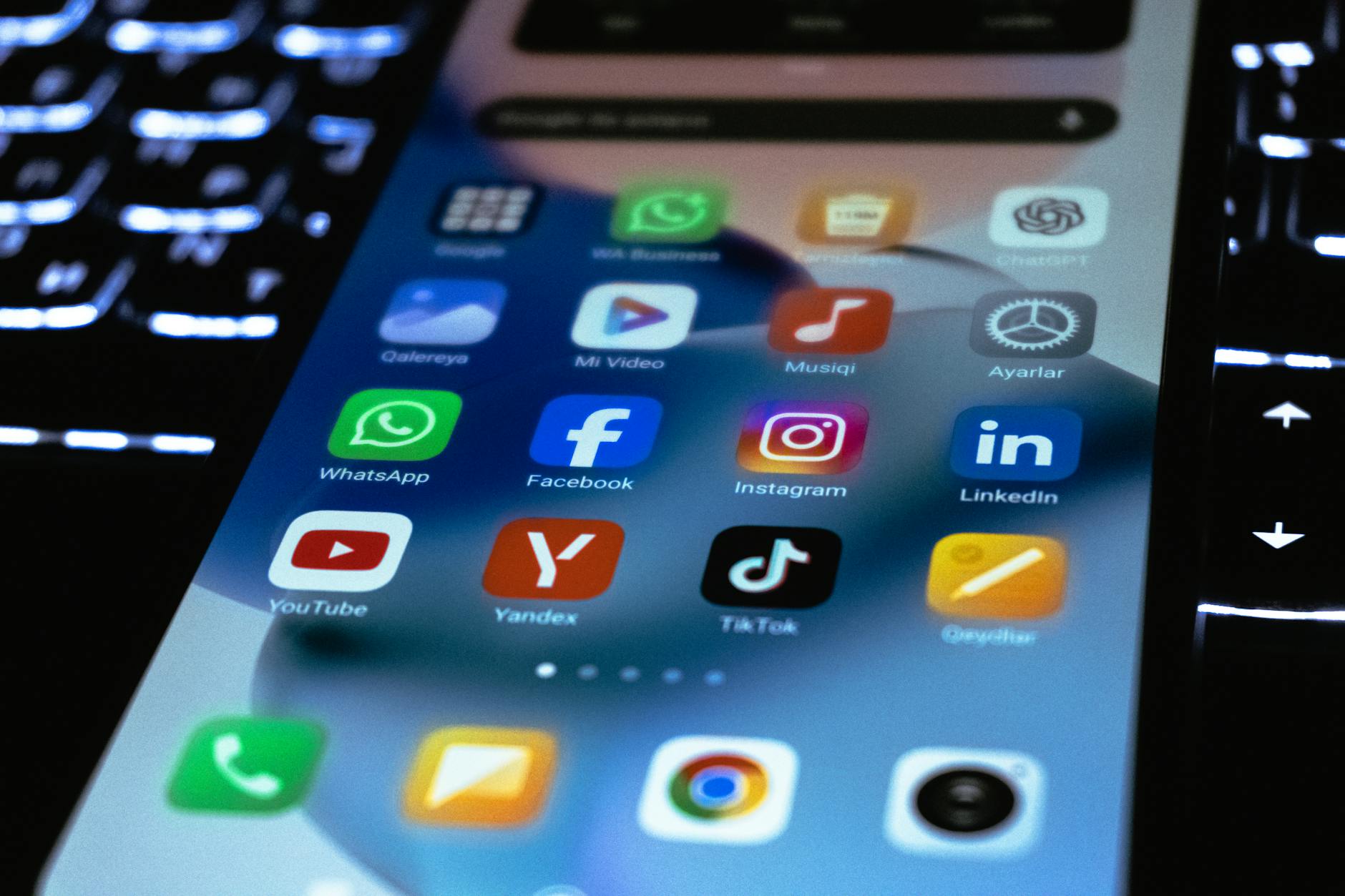
Digital labor unions operate primarily through encrypted messaging apps, social media platforms, and custom-built organizing tools. Rideshare Drivers United, one of the most prominent groups, coordinates thousands of Uber and Lyft drivers across Los Angeles through WhatsApp groups and Facebook pages. When the group organized strikes protesting pay cuts, they used these platforms to coordinate simultaneous actions across multiple cities.
The Gig Workers Collective, which represents freelancers across various platforms, uses Slack channels to share information about fair rates, problematic clients, and platform policy changes. Members report wage theft incidents, share negotiation strategies, and collectively respond to platform updates that affect their earnings.
These organizations have developed sophisticated communication networks that rival traditional union structures. The Amazonwage.org collective, representing Amazon delivery drivers and warehouse workers, uses encrypted Signal groups to organize actions while avoiding management detection. Their digital infrastructure allows for rapid mobilization – organizing warehouse walkouts or delivery slowdowns within hours rather than weeks.
The technology also enables cross-platform solidarity. Food delivery drivers working for competing apps like DoorDash, Uber Eats, and Grubhub can coordinate joint actions when platforms simultaneously cut pay rates or change algorithms. This level of coordination was impossible before digital organizing tools became widely accessible.
Winning Real Concessions Through Digital Pressure
Despite lacking formal recognition from companies or legal protections under traditional labor law, digital labor unions have scored significant victories. The App-Based Drivers Association successfully pressured Uber to restore surge pricing in several markets after organizing coordinated driver shortages during peak hours. Their strategy involved using the platforms’ own algorithms against them – by collectively logging off during high-demand periods, they created artificial scarcity that forced the company to increase pay incentives.
Freelance writers organized through the Freelancers Union have successfully negotiated payment term improvements with major publications. By sharing information about which outlets consistently pay late or below market rates, they’ve created informal blacklists that pressure companies to improve their practices. Several prominent online magazines have shortened their payment cycles from 90 days to 30 days after facing coordinated resistance from freelance contributors.
The most impressive victory came from food delivery workers in New York City, where app-based drivers used digital organizing to support legislation requiring companies to pay minimum wage rates. The NYC Delivery Workers Union, operating primarily through WhatsApp and Instagram, mobilized thousands of workers for City Hall demonstrations and testimony. Their efforts contributed to the passage of Local Law 115, which established the first minimum pay rate for food delivery workers in the United States.
These successes demonstrate that worker power doesn’t require formal recognition from employers or government agencies. By leveraging their collective economic impact and using digital tools to coordinate actions, gig workers can effectively negotiate with billion-dollar corporations.
Challenges and Legal Gray Areas
Operating outside traditional labor law creates significant challenges for digital labor unions. The National Labor Relations Act doesn’t protect independent contractors’ right to organize, meaning gig workers can face retaliation without legal recourse. Several prominent organizers have reported account suspensions or “deactivations” from platforms after leading protests or strikes.
Platform companies actively monitor social media for organizing activity. DoorDash reportedly tracks driver Facebook groups and has suspended accounts of workers who post about coordinated actions. This surveillance creates a constant tension between the transparency needed for effective organizing and the secrecy required to avoid retaliation.
The classification issue remains the biggest obstacle. As long as gig workers are classified as independent contractors rather than employees, they lack access to traditional labor protections. However, some legal experts argue that digital organizing might actually strengthen workers’ case for employee classification by demonstrating the collective nature of their relationship with platform companies.
International coordination presents additional complications. When food delivery workers in multiple countries organize simultaneous actions against the same multinational platform, they must navigate different legal systems, languages, and cultural contexts. Yet these global campaigns have shown remarkable success, as seen in the recent coordinated strikes against Deliveroo across Europe and North America.
Funding remains another persistent challenge. Traditional unions collect dues through payroll deductions, but gig workers must voluntarily contribute to sustain organizing efforts. Most digital labor unions operate on shoestring budgets, relying on member donations and occasional grants from established labor organizations.
The Future of Worker Organization
The success of digital labor unions is inspiring workers in traditional industries to adopt similar strategies. Hotel housekeepers are using WhatsApp groups to coordinate responses to increased workloads, while retail workers share information about wage theft through TikTok videos. The organizing techniques developed by gig workers are becoming a template for worker organization in an increasingly digital economy.
Several tech companies are developing platforms specifically designed for worker organizing. Coworker.org provides digital tools for workplace campaigns, while Organize.app offers encrypted communication features tailored for labor organizing. These platforms suggest that digital organizing infrastructure will become more sophisticated and accessible.
Legal recognition may eventually follow organizing success. California’s AB 5 law, which reclassified many gig workers as employees, was influenced partly by sustained digital organizing campaigns. Similar legislation is under consideration in other states, often supported by the same digital labor unions that pioneered these organizing techniques.
The trend toward corporate four-day work week trials demonstrates how labor organizing continues to reshape employment relationships, even as traditional workplace structures evolve.
As artificial intelligence and automation continue to transform work, digital labor unions may become the primary vehicle for worker representation in the 21st century. The organizing skills and technological infrastructure developed by today’s gig workers could prove essential as automation eliminates traditional jobs and creates new forms of precarious employment.
The digital labor union movement represents more than just adaptation to technological change – it’s a fundamental reimagining of worker power in the modern economy. As these organizations continue to evolve and win concrete victories for their members, they’re proving that solidarity and collective action remain powerful forces, even in a fragmented, app-mediated work environment. The question isn’t whether digital labor unions will continue to grow, but how quickly traditional labor law and corporate practices will adapt to this new reality.
Frequently Asked Questions
How do digital labor unions differ from traditional unions?
Digital labor unions operate entirely online through messaging apps and social media, organizing independent contractors who lack traditional workplace protections.
What victories have digital labor unions achieved?
They’ve won pay rate increases, improved working conditions, and supported legislation like NYC’s minimum wage law for delivery workers.