
How Government Contractor Job Growth Is Revitalizing Rust Belt Manufacturing Towns

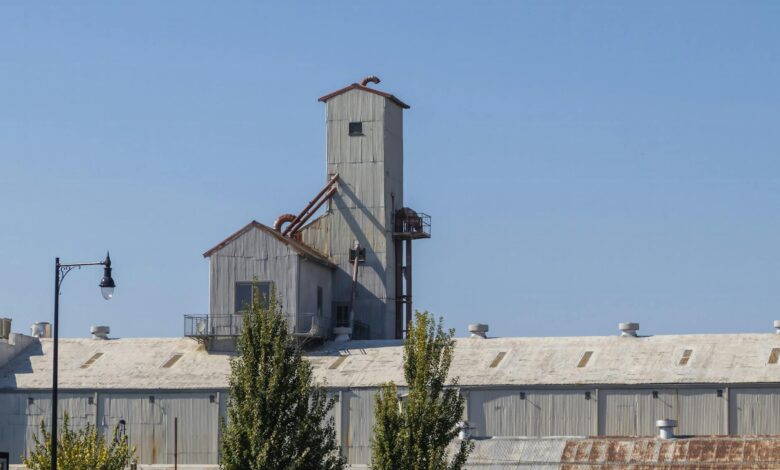
The smokestacks of Youngstown, Ohio haven’t belched manufacturing smoke for decades, but the city’s unemployment rate has dropped to its lowest level since the 1970s. The catalyst isn’t traditional manufacturing’s return-it’s a new kind of industrial renaissance powered by federal defense contracts and government work that’s breathing life into communities written off as economic casualties.
Across the Rust Belt, from Pennsylvania steel towns to Michigan auto cities, a surprising economic transformation is unfolding. Government contractors are establishing operations in regions where skilled workers are plentiful, real estate is affordable, and local governments are eager to partner. This shift represents a fundamental change in how federal work gets distributed across America, moving beyond the traditional Washington D.C. corridor to communities that need it most.
The numbers tell a compelling story. According to federal procurement data, government contracting spending in Rust Belt states has increased by 34 percent over the past five years, with much of that growth concentrated in smaller metropolitan areas rather than major cities. This trend mirrors broader changes in federal contracting strategy, as agencies seek to leverage talent pools outside expensive coastal markets.
Defense Dollars Drive Local Revival
In Dayton, Ohio, the closure of General Motors’ Moraine Assembly plant in 2008 left 2,500 workers jobless and the community reeling. Today, the same industrial park houses three major defense contractors employing over 1,800 people in cybersecurity, aerospace engineering, and logistics support roles. The transformation didn’t happen overnight, but it demonstrates how government contracting can fill economic voids left by traditional manufacturing departures.
General Dynamics, Booz Allen Hamilton, and smaller specialized firms have established significant presences in former manufacturing hubs, drawn by several key factors. The existing infrastructure-including robust electrical grids, fiber optic networks installed for previous industrial operations, and large facility spaces-provides an ideal foundation for modern government contracting work. These locations often feature the industrial zoning and security protocols that defense work requires, without the premium costs associated with traditional government contracting hubs.
The workforce transition has proven surprisingly smooth in many cases. Former manufacturing workers possess problem-solving skills, attention to detail, and understanding of complex systems that translate well to government contracting roles. Many companies report that their most effective employees are those who previously worked in automotive, steel, or other heavy industries, bringing a work ethic and practical engineering mindset that serves government clients well.
Local technical colleges and universities have adapted quickly, developing programs specifically designed to prepare workers for government contracting roles. The University of Akron, for example, launched a cybersecurity program in partnership with local contractors, while community colleges across Ohio and Pennsylvania offer specialized training in project management, logistics, and technical writing-core skills for government contracting work.
Beyond Defense: Broader Federal Opportunities
While defense contracting captures headlines, the growth spans multiple federal agencies and specialties. The Department of Veterans Affairs has decentralized many of its information technology and administrative functions, creating opportunities for contractors in regions with significant veteran populations. The Department of Agriculture has similarly distributed environmental and rural development projects to contractors based in agricultural regions.
This diversification provides economic stability that traditional manufacturing often lacked. Unlike automotive or steel production, which can shift based on global market conditions, federal contracting work tends to provide steadier, longer-term employment. Multi-year contracts and ongoing government needs create a foundation for sustainable job growth.

The ripple effects extend throughout local economies. Government contractors typically pay higher wages than the manufacturing jobs they replace, with average salaries ranging from $55,000 to $95,000 annually, depending on skill level and security clearance requirements. These higher wages support local businesses, from restaurants and retail stores to professional services and construction companies.
Real estate markets in these communities have responded accordingly. Cities that experienced decades of population decline are now seeing modest growth, with young professionals attracted to affordable housing and stable employment opportunities. In Erie, Pennsylvania, downtown occupancy rates have increased by 23 percent since 2019, largely driven by government contractor employees seeking urban amenities.
The relationship between federal contractors and rural job markets extends beyond traditional manufacturing centers, creating opportunities for remote work that further distributes economic benefits across broader geographic areas.
Challenges and Growing Pains
This economic transformation hasn’t been without obstacles. The security clearance process, essential for many government contracting positions, can take six to eighteen months, creating hiring bottlenecks for companies and extended unemployment periods for workers. Local governments have had to invest in upgraded internet infrastructure and security protocols to support classified work, requiring significant upfront costs.
Some communities struggle with the cultural shift from manufacturing to professional services work. The pace, dress codes, and communication styles required for government contracting differ significantly from traditional factory environments. Companies have invested heavily in professional development and cultural training programs to help workers make this transition successfully.
The competition for qualified workers has intensified as more contractors establish operations in these markets. Companies now compete not just on salary but on benefits packages, professional development opportunities, and work-life balance-concepts that weren’t always priorities in traditional manufacturing environments.
Labor unions, historically strong in Rust Belt manufacturing, have had to adapt to a workforce that’s increasingly professional and technical rather than industrial. Some unions have successfully negotiated contracts with government contractors, while others have struggled to maintain relevance in this new economic landscape.
Economic Diversification and Future Growth
The most successful Rust Belt communities have used government contracting as a foundation for broader economic diversification. Pittsburgh’s transformation from steel production to technology and healthcare serves as a model, though that city’s transition began earlier and included significant university partnerships that smaller communities may lack.

Cities are now actively recruiting government contractors, offering tax incentives, expedited permitting processes, and other inducements to attract federal work. The competition has become intense enough that some states have created specialized economic development offices focused specifically on government contracting opportunities.
The infrastructure investments made to support government contracting-upgraded telecommunications, enhanced security systems, and modernized facilities-also attract private sector companies. Several Rust Belt communities have leveraged their government contracting presence to develop broader technology and professional services clusters.
Looking ahead, the trend shows no signs of slowing. Federal agencies continue to seek cost-effective alternatives to high-priced Washington D.C. area contractors, while Rust Belt communities offer compelling value propositions. The Biden administration’s emphasis on “Buy American” policies and domestic supply chain resilience may further accelerate this geographic distribution of federal work.
The transformation isn’t complete, and not every Rust Belt community will successfully make this transition. However, for those that do adapt, government contracting offers a path toward economic stability that doesn’t depend on global manufacturing trends or corporate relocations. It represents a new chapter for regions once written off as casualties of economic change, proving that reinvention remains possible even in America’s most challenged industrial communities.
Frequently Asked Questions
What types of government contractor jobs are available in Rust Belt towns?
Defense contracting, cybersecurity, IT support, logistics, engineering, and administrative roles for various federal agencies.
How much do government contractor jobs typically pay in these areas?
Average salaries range from $55,000 to $95,000 annually, higher than traditional manufacturing wages in these regions.