

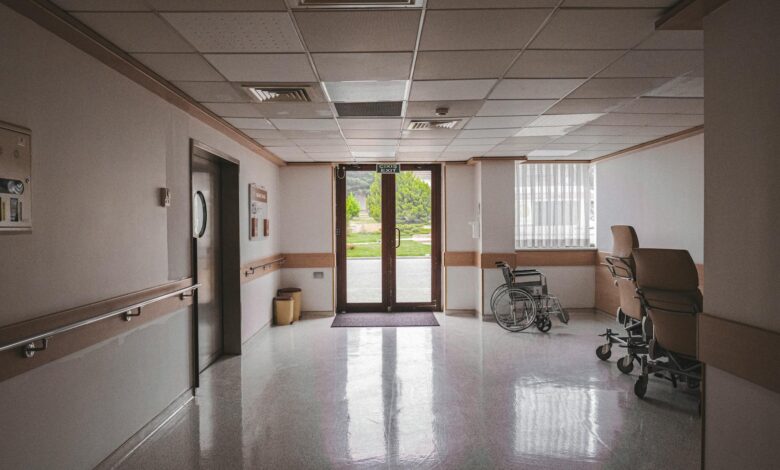
Hospital emergency rooms in small-town America are offering signing bonuses that rival tech startups. Rural healthcare facilities are competing with urban medical centers for the same pool of nurses, therapists, and specialists, driving wages to unprecedented levels across America’s heartland.
The healthcare labor shortage has reached critical levels in rural markets, where hospitals already operate on thin margins and face unique challenges in attracting medical professionals. What began as staffing difficulties during the pandemic has evolved into a fundamental shift in healthcare economics, forcing rural employers to radically rethink their compensation strategies.
Rural hospitals are now offering registered nurses starting salaries of $80,000 to $90,000 annually, with some facilities providing signing bonuses exceeding $20,000. Travel nursing agencies report that temporary assignments in rural areas command premium rates, with some contracts reaching $3,000 to $4,000 per week for specialized positions.
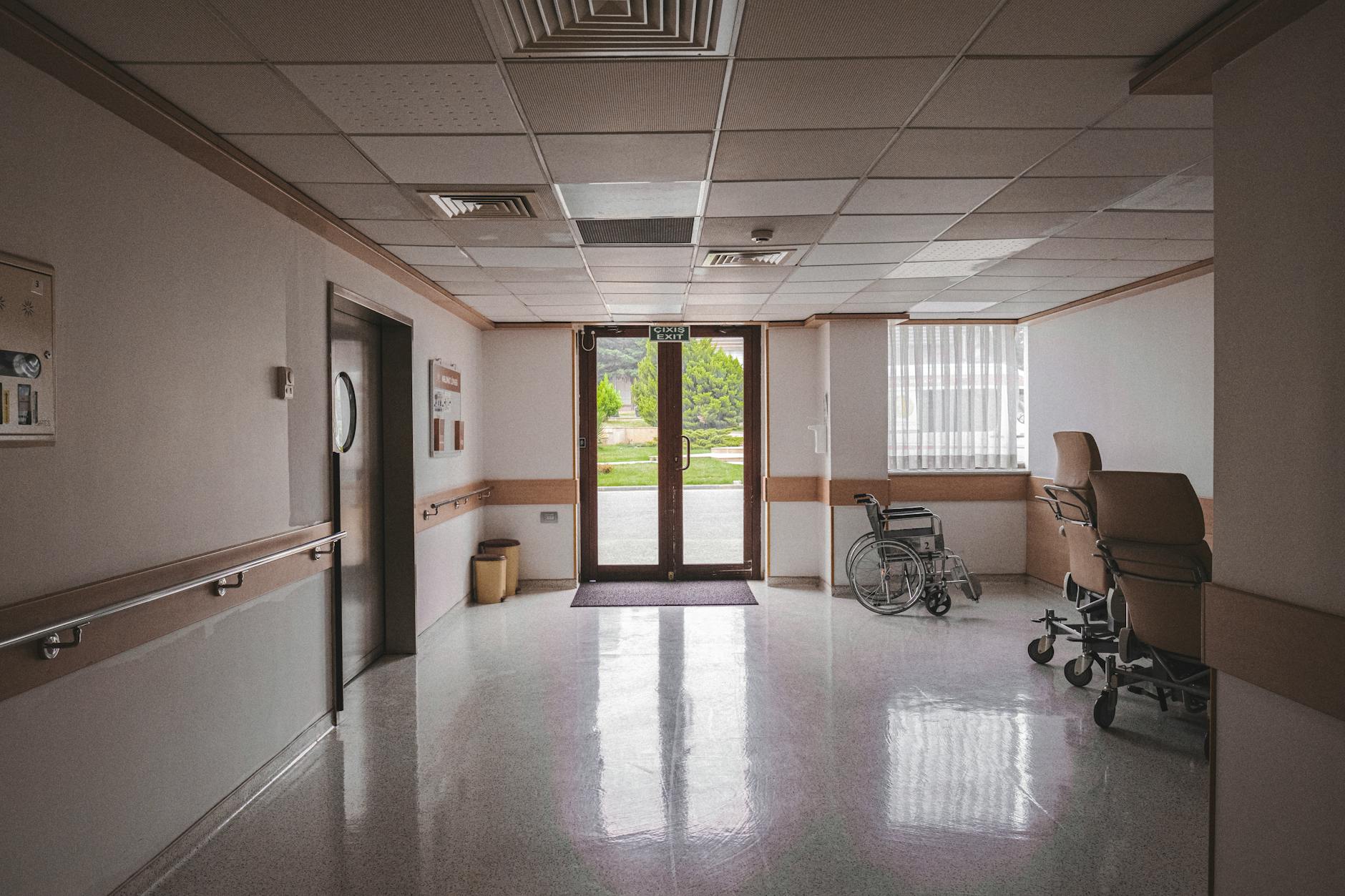
Competition with Urban Centers Intensifies
The wage gap between rural and urban healthcare positions has narrowed dramatically as rural employers compete for talent. Small-town hospitals that historically relied on lower cost of living to attract workers now find themselves bidding against metropolitan medical centers offering remote work options and flexible schedules.
“We’re seeing rural facilities match or exceed urban salary offers because they have to,” says Maria Rodriguez, a healthcare recruitment consultant who works with facilities across the Midwest. “The old model of trading higher pay for rural living isn’t working anymore.”
Specialty positions face the most severe shortages. Rural hospitals report particular difficulty filling positions for radiologic technologists, respiratory therapists, and nurse practitioners. Some facilities have resorted to partnerships with urban health systems to share specialists via telemedicine, while others offer substantial retention bonuses to prevent existing staff from leaving.
The nursing shortage affects rural areas disproportionately. According to recent industry data, rural hospitals have nurse vacancy rates averaging 20 to 25 percent, compared to 15 percent in urban facilities. This disparity forces remaining staff to work overtime, creating burnout cycles that worsen the shortage.
Physical therapists and occupational therapists command particularly high premiums in rural markets. Some facilities offer student loan forgiveness programs worth up to $50,000 over five years, while others provide housing assistance or guaranteed mortgage rates to attract these professionals.
Creative Benefits Replace Traditional Perks
Rural healthcare employers are expanding beyond traditional salary increases to offer lifestyle benefits that appeal to modern healthcare workers. Flexible scheduling, four-day work weeks, and guaranteed time off have become standard recruitment tools.
Some rural hospitals now offer what they call “lifestyle packages” that include housing assistance, childcare support, and continuing education funding. A hospital in Montana recently began offering $10,000 toward home down payments for nurses willing to commit to three-year contracts.
Professional development opportunities have become crucial differentiators. Rural facilities are investing in simulation labs, advanced training equipment, and partnerships with medical schools to provide continuing education that previously required travel to urban centers.
Technology integration also plays a role in recruitment. Hospitals are upgrading electronic health record systems, implementing advanced diagnostic equipment, and offering telemedicine capabilities that allow rural practitioners to consult with specialists at major medical centers.

The recruitment challenge extends beyond clinical positions. Rural hospitals struggle to find healthcare administrators, IT specialists, and support staff. Some facilities have created internship programs with local colleges, while others offer management training programs that promote existing employees into leadership roles.
Student loan forgiveness programs have proven particularly effective in rural recruitment. Federal programs like the National Health Service Corps provide loan forgiveness for healthcare workers who commit to serving in underserved areas, but individual hospitals are now supplementing these programs with additional financial incentives.
Economic Impact on Rural Communities
Higher healthcare wages are creating ripple effects throughout rural economies. Healthcare workers represent significant portions of rural employment, and their increased purchasing power benefits local businesses, housing markets, and tax bases.
Rural banks report increased mortgage applications from healthcare workers, while local retailers see higher sales volumes. The wage increases also create pressure on other employers in rural areas to raise compensation to retain workers in competing industries.
However, the increased labor costs strain hospital budgets. Some rural facilities have reduced service lines or consolidated departments to manage expenses. Others have explored partnerships with larger health systems to share costs and resources.
The trend connects to broader economic shifts affecting rural America, similar to how electric vehicle battery recycling is creating manufacturing jobs in Rust Belt states, demonstrating how workforce shortages in one sector can drive innovation and investment in others.
Some rural hospitals have implemented innovative scheduling models that allow healthcare workers to maintain higher salaries while providing better work-life balance. These include compressed work schedules and job-sharing arrangements that help manage labor costs while meeting staffing needs.
Municipal governments in rural areas are taking notice of healthcare’s economic impact. Some towns are offering tax incentives to healthcare workers or investing in infrastructure improvements that make their communities more attractive to medical professionals.
Long-term Market Dynamics
The healthcare labor shortage in rural areas reflects broader demographic and economic trends that suggest wage pressures will continue. Rural populations are aging faster than urban populations, increasing demand for healthcare services while the available workforce remains constrained.
Medical schools are expanding rural rotation programs and offering rural-focused tracks, but these initiatives take years to produce results. Meanwhile, retirement rates among rural healthcare workers continue to accelerate, particularly among nurses and physicians nearing the end of their careers.
Technology adoption may provide some relief. Telemedicine capabilities allow rural facilities to extend their reach without adding staff, while artificial intelligence tools are beginning to assist with diagnostic and administrative tasks. However, these solutions complement rather than replace the need for skilled healthcare workers.
The investment in rural healthcare wages may create sustainable competitive advantages for communities that successfully attract and retain medical professionals. These investments support not only immediate healthcare needs but also economic development that can attract other businesses and residents.
Healthcare employers are also exploring partnerships with educational institutions to create “grow your own” programs that train local residents for healthcare careers. These programs often include guaranteed employment and competitive wages upon graduation, creating pathways for rural communities to develop their own healthcare workforce.
The wage competition in rural healthcare markets represents a fundamental shift in how these communities approach workforce development. As traditional industries decline in many rural areas, healthcare has become an anchor industry that can drive economic stability and growth when properly supported with competitive compensation and benefits packages.
Frequently Asked Questions
How much are rural hospitals paying nurses now?
Rural hospitals are offering RN starting salaries of $80,000-$90,000 annually, with signing bonuses often exceeding $20,000.
Why are rural healthcare wages increasing so rapidly?
Critical labor shortages force rural hospitals to compete directly with urban facilities for the same limited pool of healthcare professionals.