


The Fields Are Changing
California’s Central Valley stretches endlessly under the morning sun, but farmer Miguel Ramirez sees more than endless rows of lettuce and strawberries. He sees empty picking stations and unpicked fruit rotting on branches. Despite offering wages 30% higher than three years ago, Ramirez still can’t fill half his seasonal positions.
This scene repeats across American farmland as immigration policy shifts reshape the agricultural workforce that feeds the nation. From Florida citrus groves to Washington apple orchards, farmers grapple with labor shortages that force difficult choices: automate, relocate operations, or watch crops spoil in fields.
The agricultural sector employs roughly 2.6 million workers nationwide, with immigrant workers comprising an estimated 73% of the workforce according to the National Agricultural Workers Survey. Recent policy changes and enforcement patterns have disrupted traditional labor flows, creating ripple effects through food production systems and rural economies.

Border Policies Tighten Labor Supply
Stricter enforcement at border crossings has reduced the seasonal worker pool that American agriculture has relied on for decades. The H-2A temporary agricultural worker program, designed to provide legal pathways for seasonal labor, processed 371,000 positions in 2023 – a record high that still falls short of industry needs.
However, the H-2A program comes with bureaucratic hurdles that many smaller farms cannot navigate. Applications require detailed workforce planning six months in advance, housing provisions for workers, and minimum wage guarantees that can exceed local rates by significant margins. For family farms operating on thin margins, these requirements often prove prohibitive.
“The paperwork alone takes 40 hours just to get started,” explains Sarah Chen, who manages labor compliance for a consortium of vegetable growers in Arizona. “Smaller operations that used to hire 20-30 seasonal workers directly now either can’t participate or have to go through contractors who charge premium rates.”
The gap between legal pathways and labor demand has created what economists call a “structural mismatch.” While demand for seasonal agricultural work remains steady, the traditional informal networks that connected workers to farms have been disrupted, leaving both sides struggling to connect.
Technology Adoption Accelerates
Labor shortages are pushing agricultural technology adoption at unprecedented rates. Mechanical harvesting systems, once limited to large-scale grain operations, now appear in specialty crop production where hand-picking was previously essential.
Berry farms in Oregon and Washington have invested heavily in mechanized harvesting systems that can process blueberries and raspberries with minimal human intervention. These systems, costing between $500,000 and $2 million per unit, represent major capital investments that only the largest operations can afford.
Robotic systems for lettuce harvesting, developed by companies like Iron Ox and Bowery Farming, have moved from experimental to commercial deployment. While current models can’t match the speed and selectivity of experienced human pickers, they operate continuously without breaks and don’t require housing or transportation.
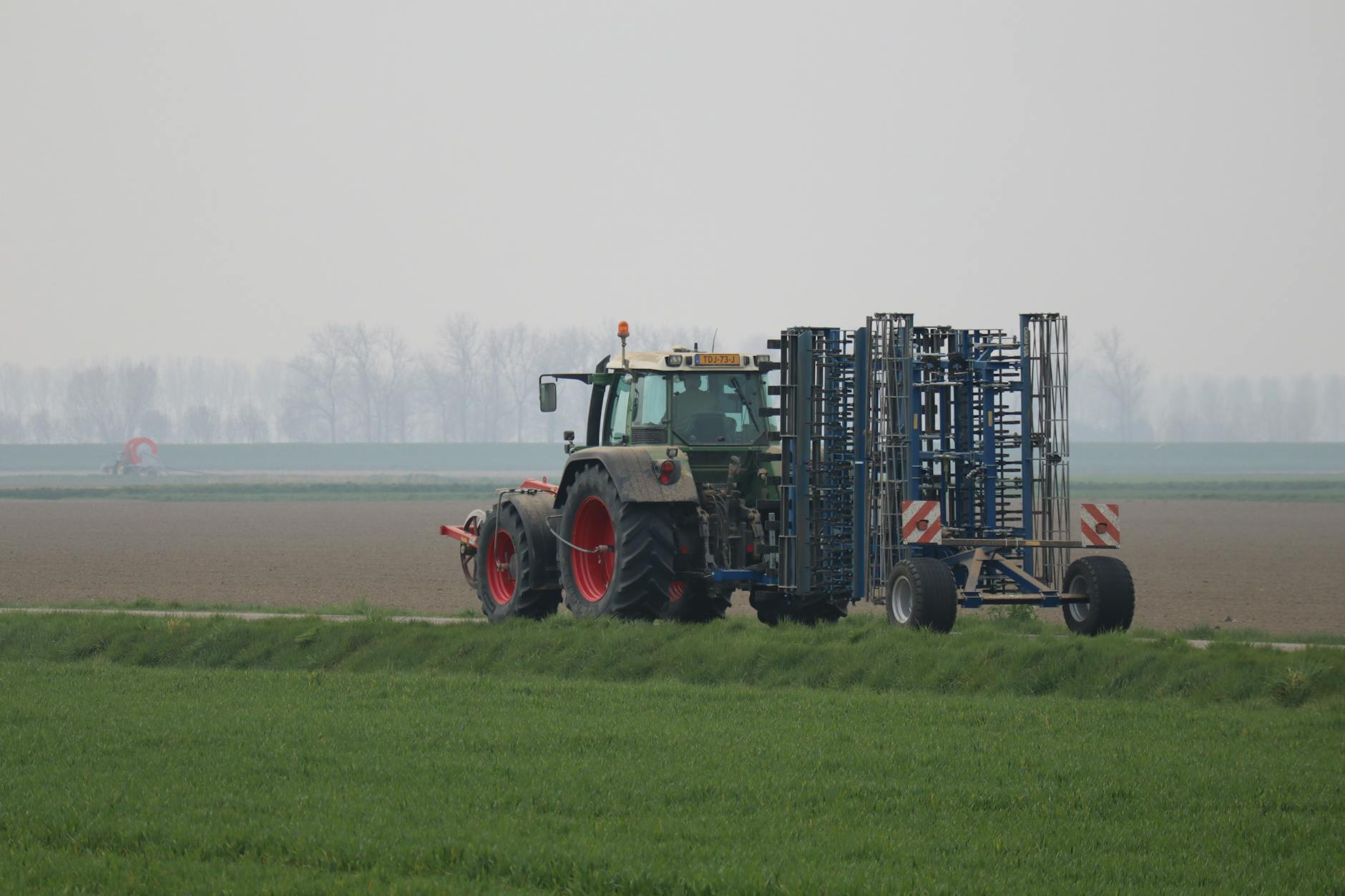
However, automation creates its own challenges. Mechanical harvesting often requires changes to growing methods, plant varieties bred specifically for machine compatibility, and significant upfront investments. Many crops – particularly delicate fruits and vegetables – still resist automated picking, leaving farmers dependent on human labor for the foreseeable future.
The shift mirrors broader manufacturing trends documented in regions experiencing supply chain reshoring, where companies are creating new manufacturing jobs in Rust Belt states by combining automation with domestic production strategies.
Regional Production Shifts
Labor constraints are reshaping where food gets grown. Operations that previously relied on seasonal migrant workers are relocating to regions with more stable labor supplies or different immigration enforcement patterns.
Indoor farming operations have expanded rapidly in urban areas where they can tap into year-round local workforces. Vertical farms and greenhouse operations in cities like Chicago, Detroit, and Newark now produce leafy greens and herbs previously grown on traditional farms hundreds of miles away.
Some producers are moving operations closer to the Mexican border, where proximity to labor sources reduces transportation costs and immigration complications. Processing facilities that once operated in the Midwest have established satellite operations in Texas and New Mexico to access different labor markets.
The concentration of production creates vulnerabilities, however. When immigration enforcement intensifies in specific regions, entire commodity sectors can face simultaneous disruptions. The 2018 immigration raids in North Carolina affected multiple poultry processing plants simultaneously, creating temporary shortages that rippled through regional food distribution networks.
Wage Competition and Rural Economics
Labor scarcity has driven agricultural wages upward across most regions. The average hourly wage for agricultural workers increased 22% between 2020 and 2023, according to Bureau of Labor Statistics data. However, these increases vary dramatically by region and crop type.
Specialty crop producers – those growing fruits, vegetables, and nuts – have seen the steepest wage increases as they compete for limited seasonal workers. Tree fruit operations in Washington State now commonly offer starting wages of $18-20 per hour plus piece-rate bonuses, compared to $12-14 per hour just three years ago.
Higher labor costs are restructuring production economics. Some farmers have shifted to crops that require less hand labor, replacing labor-intensive vegetables with mechanized grain production. Others have consolidated operations, selling to larger corporate farms that can better absorb automation costs and navigate regulatory requirements.
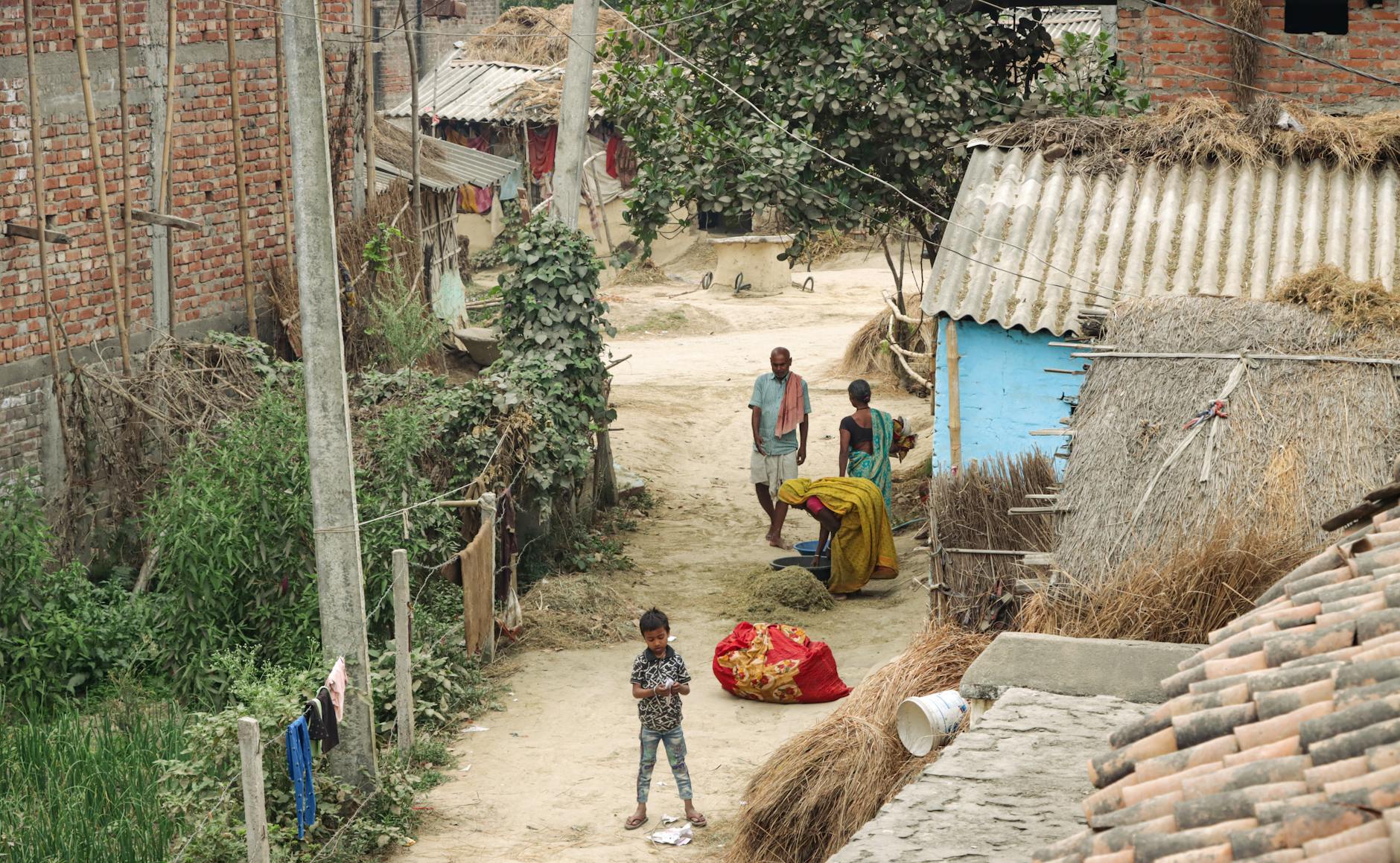
Rural communities dependent on agricultural employment face complex adjustments. While higher wages benefit workers who find jobs, reduced employment opportunities affect local businesses and tax revenues. Towns that previously supported large seasonal worker populations now see declining economic activity as operations mechanize or relocate.
Food System Resilience Questions
The agricultural labor transformation raises broader questions about food system resilience and affordability. Automation and higher wages both increase production costs that eventually reach consumers through grocery prices.
Supply chain analysts worry about concentration risks as production consolidates among fewer, larger operations capable of navigating complex labor regulations and automation investments. Smaller farms that historically provided diversity and regional food security may not survive the transition.
Policy makers face pressure to balance immigration enforcement with economic realities. Agricultural lobby groups consistently advocate for expanded guest worker programs and immigration reform that would provide stable, legal pathways for seasonal labor. Labor advocates push for better working conditions and wages for all agricultural workers, regardless of immigration status.
The resolution of these competing pressures will determine whether American agriculture can maintain its current production levels while adapting to new labor market realities. As farmers like Miguel Ramirez watch their crops and contemplate next season’s planting decisions, the intersection of immigration policy and food production continues reshaping one of the nation’s most essential industries.
Frequently Asked Questions
How are farms dealing with agricultural labor shortages?
Farms are adopting automation technology, raising wages significantly, or relocating operations to areas with better labor access.
What is the H-2A agricultural worker program?
H-2A provides legal pathways for temporary seasonal agricultural workers but requires extensive paperwork and housing provisions many small farms cannot afford.