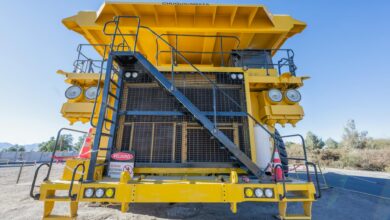

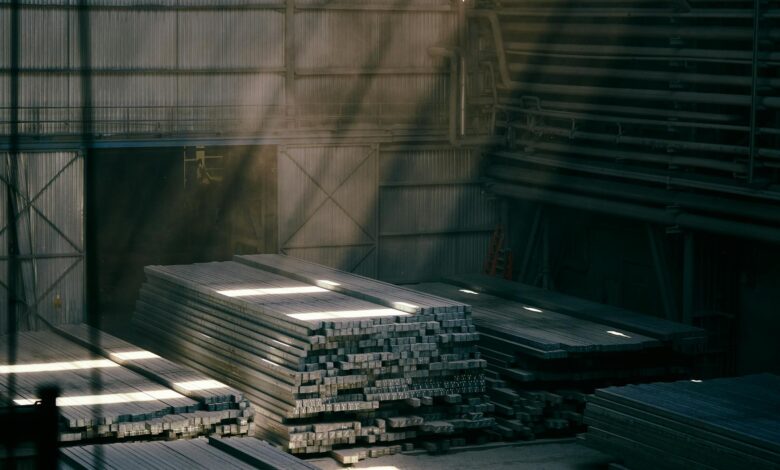
Congress approved $1.2 trillion in infrastructure spending through the Infrastructure Investment and Jobs Act, and the ripple effects are reshaping entire sectors of the stock market. Steel and concrete producers are experiencing their strongest performance in over a decade as massive construction projects begin breaking ground across the nation.
The timing couldn’t be better for materials companies that weathered years of uncertainty. Major steel producers like Nucor Corporation and Steel Dynamics have seen their stock prices climb steadily since early 2022, driven by confirmed contracts for bridge repairs, highway expansions, and rail upgrades. Concrete giants including Vulcan Materials and Martin Marietta Materials are reporting similar gains as demand surges for everything from airport runways to water treatment facilities.
Federal Contracts Drive Steel Sector Revival
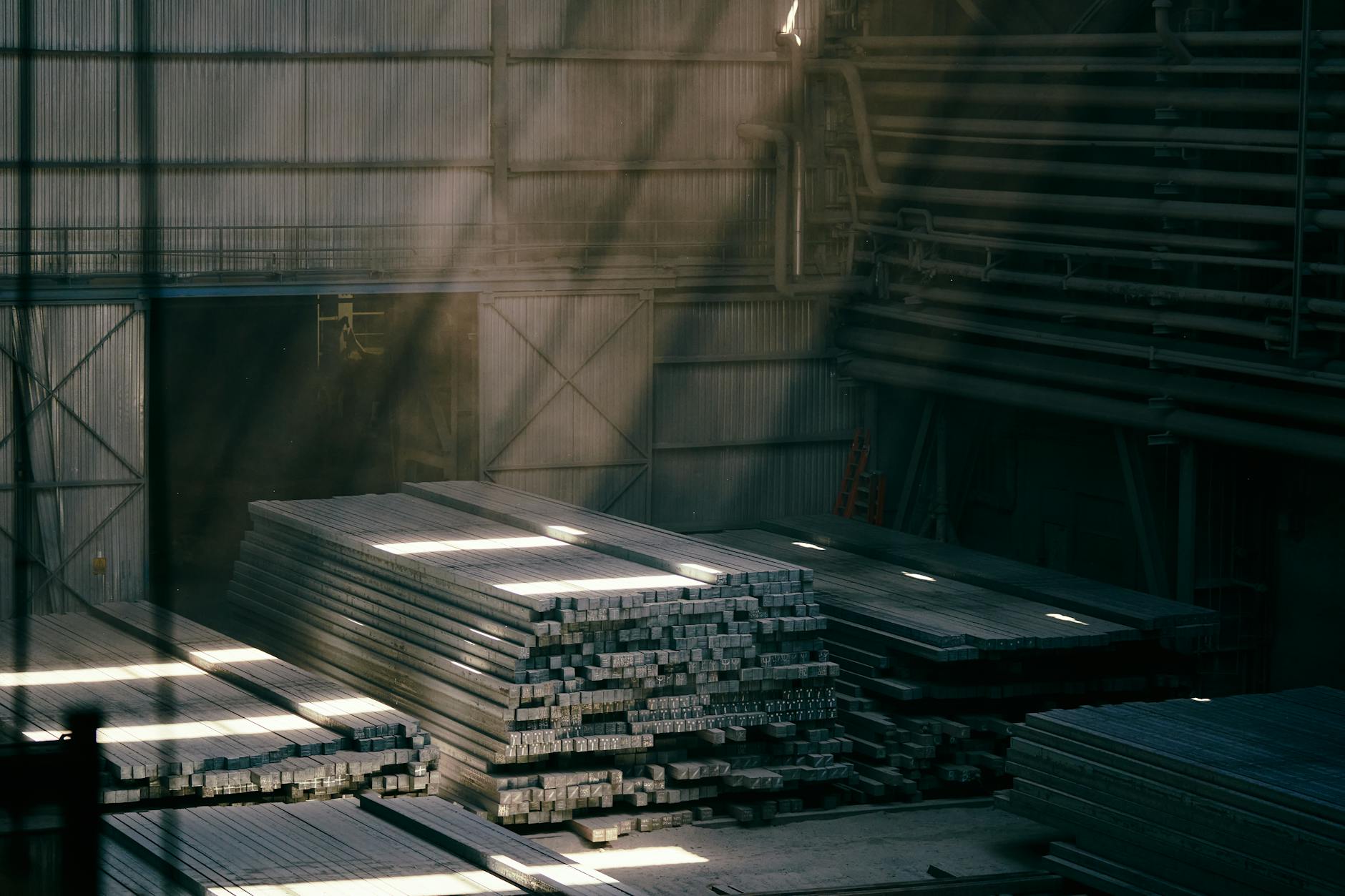
The steel industry is experiencing its most significant transformation since the post-World War II boom. Nucor, America’s largest steel producer, has increased production capacity at multiple facilities to meet rising demand from infrastructure projects. The company’s recent quarterly earnings revealed a 23% jump in shipments compared to the previous year, with infrastructure accounting for nearly 40% of total sales.
Cleveland-Cliffs, another major player, secured contracts worth hundreds of millions of dollars for steel beams and structural components needed for bridge reconstruction projects across the Midwest. The company’s stock has outperformed the broader market by significant margins, reflecting investor confidence in sustained demand through 2030.
Steel Dynamics has similarly capitalized on the infrastructure wave, announcing plans to expand its specialty steel operations. The company’s focus on producing high-strength steel for critical infrastructure applications positions it well as older bridges and tunnels require materials that meet updated safety standards.
These gains extend beyond the largest producers. Regional steel companies like Commercial Metals Company and Schnitzer Steel Industries have also benefited from increased scrap metal recycling and specialty steel production for local infrastructure projects.
Concrete Companies Cement Market Leadership
The concrete and aggregates sector is experiencing parallel growth as infrastructure projects require massive quantities of materials for foundations, roadways, and structural components. Vulcan Materials, the nation’s largest producer of construction aggregates, has strategically positioned quarries and distribution centers near major infrastructure corridors.
The company’s recent expansion into high-growth markets like Texas and Florida has proven prescient as these states receive substantial federal infrastructure allocations. Vulcan’s stock price reflects this strategic positioning, with analysts projecting continued growth as multi-year projects consume aggregates at unprecedented rates.
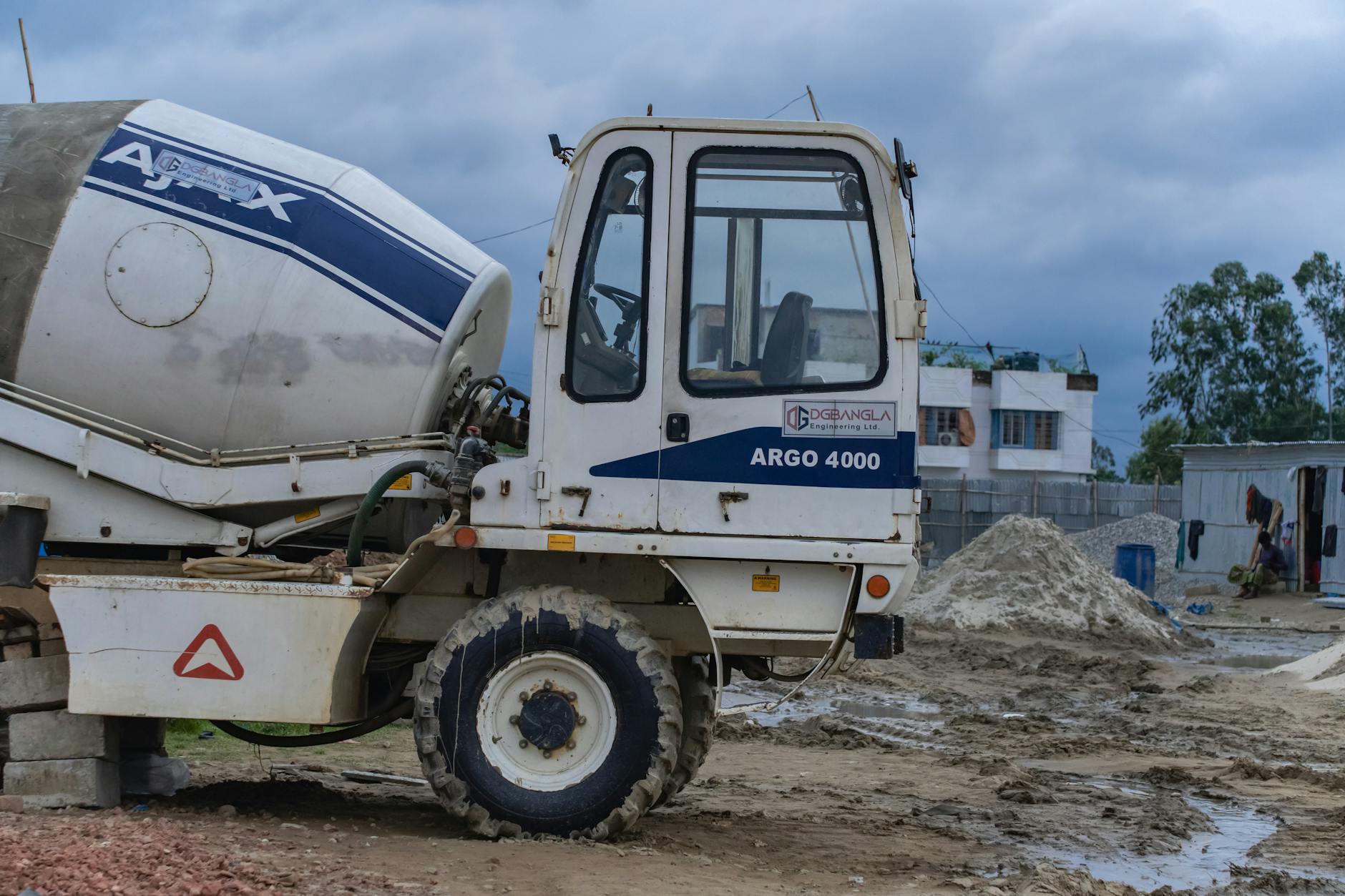
Martin Marietta Materials has taken a different approach, focusing on specialty concrete products for complex infrastructure applications. Their high-performance concrete formulations are essential for projects like tunnel construction and seaport expansions, where standard materials cannot meet engineering requirements.
Summit Materials and Eagle Materials have carved out regional niches, with Summit dominating Western markets and Eagle focusing on the South and Midwest. Both companies report order backlogs extending well into 2025, providing revenue visibility that traditional cyclical materials companies rarely enjoy.
The ready-mix concrete segment has also seen consolidation as larger players acquire regional operators to capture market share in high-growth infrastructure corridors. This consolidation trend is creating additional value for shareholders of acquiring companies while eliminating excess capacity that previously pressured pricing.
Transportation Infrastructure Creates Sustained Demand
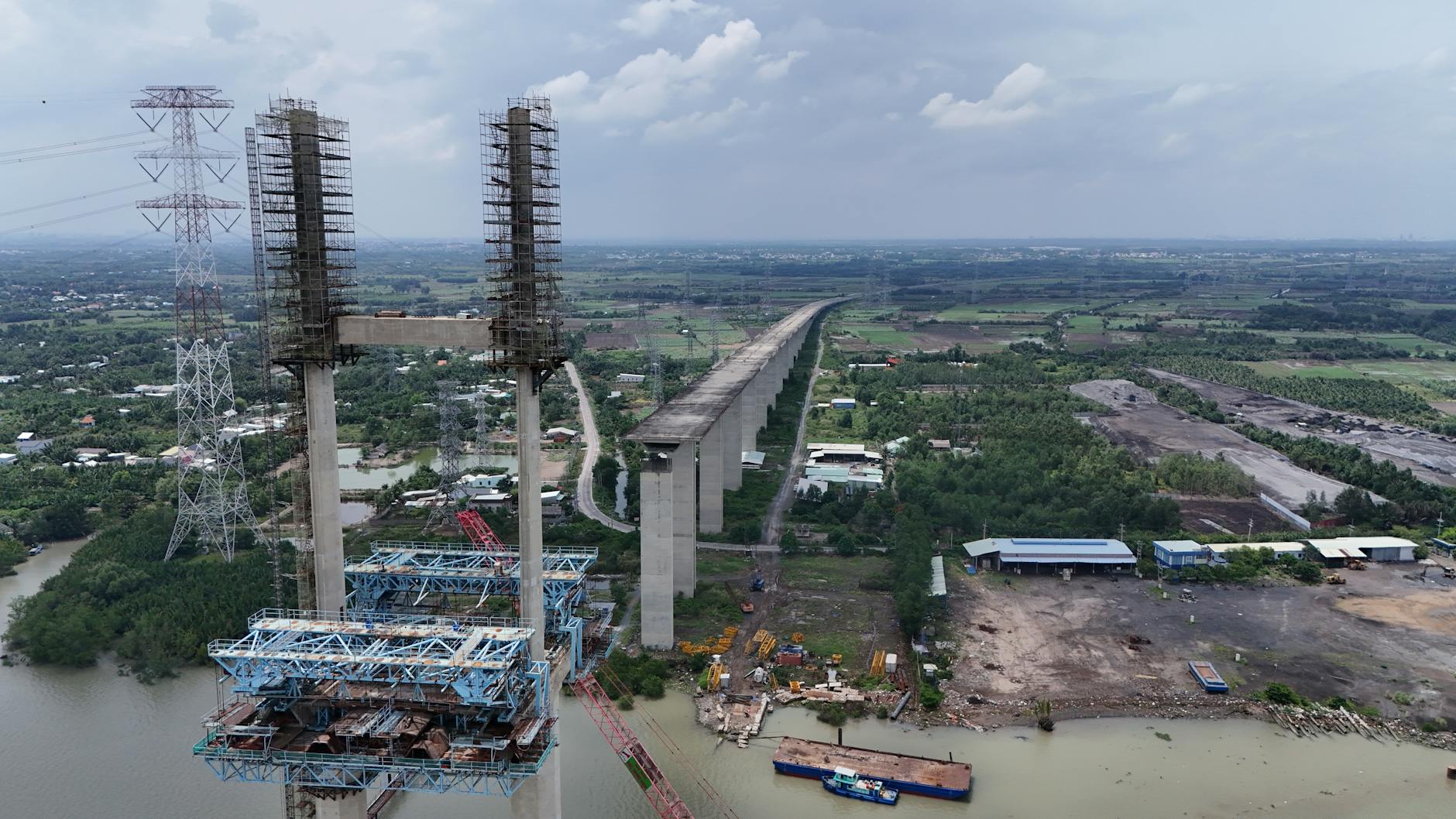
Highway and rail infrastructure represents the largest component of federal infrastructure spending, creating multi-year demand cycles for both steel and concrete. The Federal Highway Administration has allocated funding for over 15,000 bridge projects nationwide, many requiring complete reconstruction rather than simple repairs.
These bridge projects alone will consume millions of tons of steel and concrete over the next decade. Unlike cyclical construction booms driven by private development, infrastructure spending provides predictable demand patterns that allow materials companies to plan capacity expansions and workforce development.
Rail infrastructure modernization presents additional opportunities as freight and passenger rail systems require upgraded tracks, bridges, and terminals. Steel rail manufacturers like ArcelorMittal and Nucor have dedicated production lines for railroad materials, benefiting from both replacement demand and capacity expansion projects.
Port and airport infrastructure projects add another dimension to materials demand. These projects require specialized concrete formulations and steel components designed for heavy loads and harsh environmental conditions. Companies with expertise in marine and aviation infrastructure command premium pricing for their specialized products.
The shift toward electric vehicle infrastructure also creates new demand patterns. Charging station installations require concrete foundations and steel structural components, while electrical grid upgrades need specialized steel for transmission towers and substations.
Geographic Concentration Drives Regional Winners
Infrastructure spending isn’t distributed evenly across the country, creating regional winners among materials producers. States like California, Texas, and Florida receive disproportionate allocations due to their large populations and extensive infrastructure needs.
This geographic concentration benefits companies with strategic asset locations. Vulcan Materials’ strong presence in high-growth Southern markets provides competitive advantages in transportation costs and market access. Similarly, steel producers with mills near major infrastructure corridors enjoy logistics advantages that translate to higher margins.
Western states focusing on wildfire resilience and earthquake preparedness create demand for specialized materials. Companies producing fire-resistant building materials and seismic-grade steel components are capturing premium pricing in these niche markets.
Long-Term Investment Outlook
The infrastructure investment cycle extends far beyond typical economic cycles, providing materials companies with revenue visibility rarely seen in cyclical industries. Most major infrastructure projects span multiple years from planning to completion, creating sustained demand that doesn’t fluctuate with quarterly economic reports.
Environmental considerations are also reshaping the materials landscape. Steel and concrete producers investing in lower-carbon production methods are positioning themselves for additional government contracts as sustainability requirements become standard. This trend aligns with broader market movements toward carbon credit trading platforms and environmental investing.
The maintenance backlog for existing infrastructure ensures demand will continue beyond new construction. The American Society of Civil Engineers estimates that addressing deferred maintenance will require sustained investment through 2035, providing materials companies with a foundation for long-term planning.
Supply chain resilience has become a priority following recent global disruptions, leading to increased domestic sourcing preferences for critical infrastructure materials. This trend benefits American steel and concrete producers who can guarantee supply continuity for essential projects.
Smart infrastructure initiatives incorporating technology and sustainability features require specialized materials and construction techniques. Companies adapting their product portfolios to meet these evolving requirements are capturing disproportionate value from the infrastructure spending wave.
The infrastructure investment boom represents a generational opportunity for materials companies, with demand patterns and pricing dynamics that favor established producers with strategic asset positions and operational expertise. As projects move from planning to construction phases over the coming years, the full impact on steel and concrete stock performance is likely still ahead.
Frequently Asked Questions
Which steel companies benefit most from infrastructure spending?
Nucor Corporation, Steel Dynamics, and Cleveland-Cliffs lead gains with infrastructure contracts representing 30-40% of sales.
How long will infrastructure demand last for materials companies?
Most projects span multiple years with sustained demand expected through 2030, providing unusual revenue visibility for cyclical industries.