

From Ghost Towns to Growth Centers
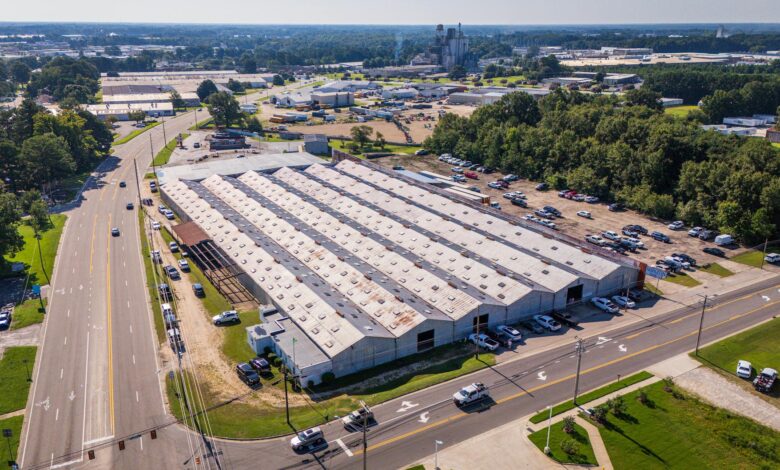
The closure of military installations across America has left dozens of small communities grappling with devastating economic losses. But a surprising transformation is taking root in these former defense towns: what once seemed like economic death sentences are becoming catalysts for remarkable reinvention and growth.
When Fort Devens in Massachusetts closed in 1996, the town of Ayer lost 5,000 jobs overnight. Today, that same location houses a thriving biotechnology hub, data centers, and manufacturing facilities that employ more people than the original base. This pattern is repeating across the country as creative communities turn abandoned military infrastructure into economic goldmines.
The Base Realignment and Closure Commission has shuttered more than 100 major installations since 1988, initially devastating local economies that had depended on military payrolls for generations. However, two decades later, many of these communities are outperforming their pre-closure economic indicators through strategic redevelopment initiatives.
Infrastructure Becomes Innovation
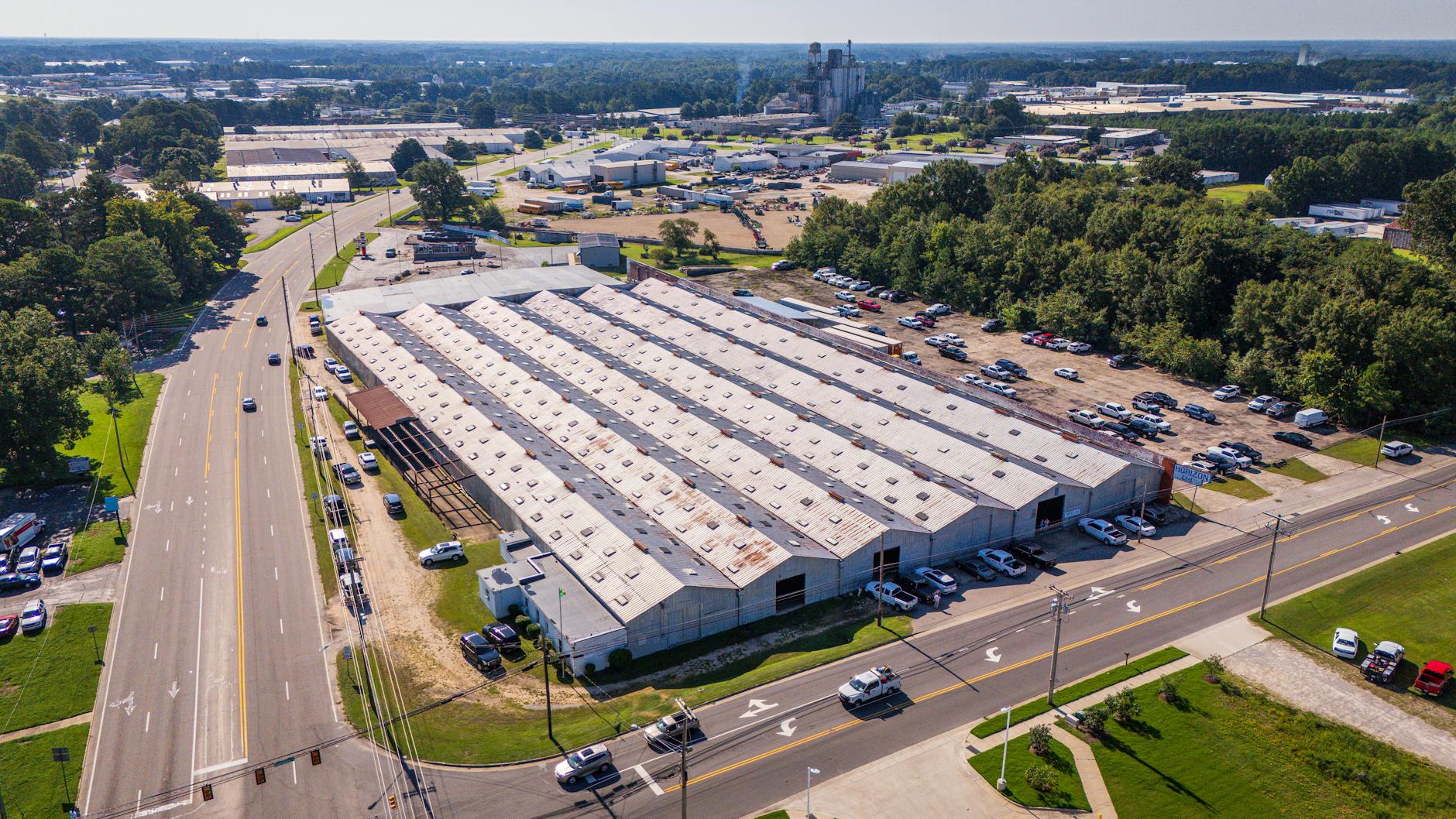
Military bases offer something most small towns lack: massive, ready-to-use infrastructure. Runways become logistics hubs for major shipping companies. Barracks transform into affordable housing for tech workers. Command centers house data processing operations that require secure, isolated locations.
The former Plattsburgh Air Force Base in upstate New York exemplifies this transformation. Amazon operates a major fulfillment center on the site, taking advantage of the existing runway for cargo operations. The facility now employs over 1,000 workers in a region that had struggled economically for years after the base closure in 1995.
Similarly, the closed England Air Force Base in Louisiana has become a regional airport and industrial park. Companies like Procter & Gamble have established manufacturing operations there, drawn by the existing infrastructure and available workforce. The redevelopment has created more civilian jobs than the base ever supported in military personnel.
These success stories share common elements: existing utilities, transportation access, and large parcels of developable land. Military installations were built to support thousands of people with robust electrical systems, water treatment facilities, and communication networks that civilian developers would spend millions to install from scratch.
Tech Companies Discover Small-Town Advantages
The technology sector has emerged as an unexpected beneficiary of base closures. Data center operators prize the security, isolation, and existing electrical infrastructure that former military sites provide. The controlled access and existing security systems make these locations ideal for companies handling sensitive information.
Microsoft operates cloud computing facilities at the former Fort Devens, while Facebook has explored similar arrangements at other closed bases. These installations require fewer workers than traditional manufacturing but offer high-paying technical jobs that can support entire local economies.
The trend extends beyond data centers. Software companies are establishing satellite offices in former base towns, attracted by lower real estate costs and reduced competition for skilled workers. Remote work capabilities have made geographic isolation less of a barrier, while the quality of life in smaller communities has become a selling point for recruiting talent.

Aerospace and defense contractors have also found value in these locations. They can maintain security clearances more easily in controlled environments while accessing the skilled veteran workforce that often remains in base communities after closure. Companies like Raytheon and Lockheed Martin have established manufacturing and research facilities at former installations.
Agricultural Innovation Takes Root
Some closed bases have become centers for agricultural innovation and food processing. The large, flat areas originally designed for aircraft operations prove ideal for greenhouse facilities and automated farming operations. These ventures often employ more people than traditional agriculture while producing higher-value crops.
The former Rickenbacker Air Force Base in Ohio hosts one of the largest inland cargo airports in the country, primarily serving fresh food distribution. Perishable goods from across the Midwest flow through the facility to markets nationwide, creating logistics jobs and supporting regional agricultural producers.
Similar transformations are occurring at bases in agricultural regions across the country, where the combination of existing infrastructure and available land creates opportunities for supply chain operations that serve growing markets for specialty foods and organic products.
These agricultural initiatives often integrate with broader economic development strategies. Food processing facilities at former bases create demand for local agricultural products while providing stable employment for community members who might otherwise leave for opportunities in larger cities.
Challenges and Success Factors
Not every base closure leads to economic renaissance. Successful redevelopment requires several critical factors: proximity to major transportation networks, available skilled workforce, and local leadership committed to long-term planning rather than quick fixes.
Communities that have struggled with base closures often lack one or more of these elements. Remote locations without highway or rail access find it difficult to attract logistics operations. Towns that lose their educated workforce to migration face challenges in attracting technology companies.
Environmental cleanup also presents significant obstacles. Many bases require extensive remediation before civilian use, a process that can take years and consume redevelopment budgets. The most successful communities have secured federal assistance for cleanup while simultaneously planning future land use.
Local political leadership plays a crucial role in determining outcomes. Communities that form redevelopment authorities and pursue aggressive marketing campaigns tend to succeed more quickly than those that wait passively for opportunities to emerge.
Future Opportunities
As military priorities continue to shift toward modern threats and updated technologies, additional base closures seem likely in coming years. However, the lessons learned from successful redevelopments provide a roadmap for communities facing similar challenges.
The key insight from two decades of base closures is that military installations represent valuable economic assets rather than irreplaceable losses. The infrastructure, land, and strategic locations that made these sites valuable to the military often prove equally attractive to civilian enterprises.
Communities preparing for potential closures can begin planning redevelopment strategies before official announcements. Early preparation allows for smoother transitions and faster recovery. The most successful base redevelopments begin with comprehensive planning that considers regional economic strengths and market opportunities rather than simply trying to replace lost military jobs.
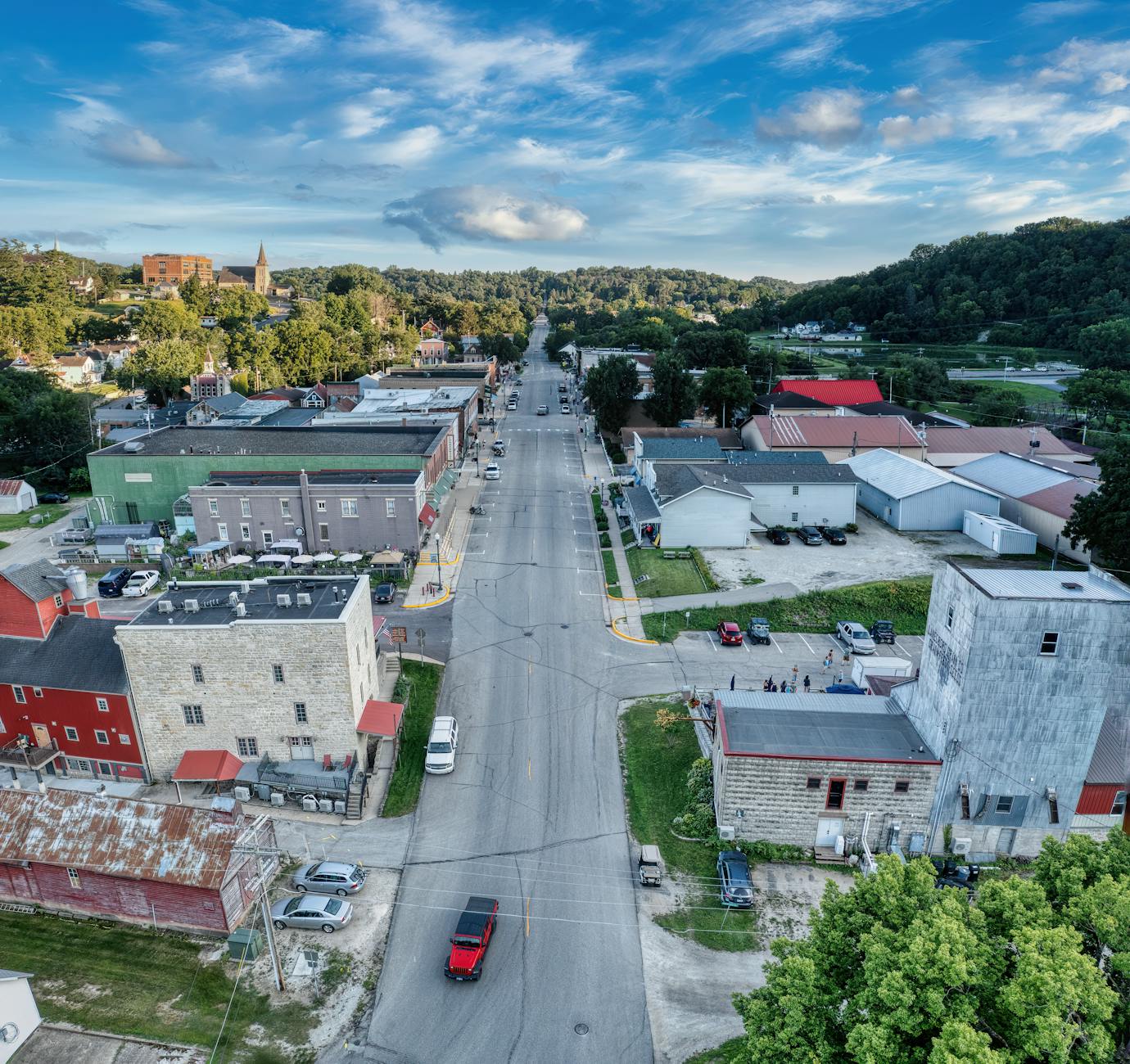
The transformation of closed military bases demonstrates how economic disruption can become opportunity with proper planning and investment. As these success stories multiply, they provide hope and practical guidance for small communities facing their own economic challenges in an evolving national landscape.
Frequently Asked Questions
What happens to local economies when military bases close?
Initially devastating, but many communities successfully transform bases into thriving civilian economic centers within 10-20 years.
What types of businesses move into former military bases?
Technology companies, logistics operations, data centers, aerospace contractors, and agricultural processing facilities commonly occupy former bases.