

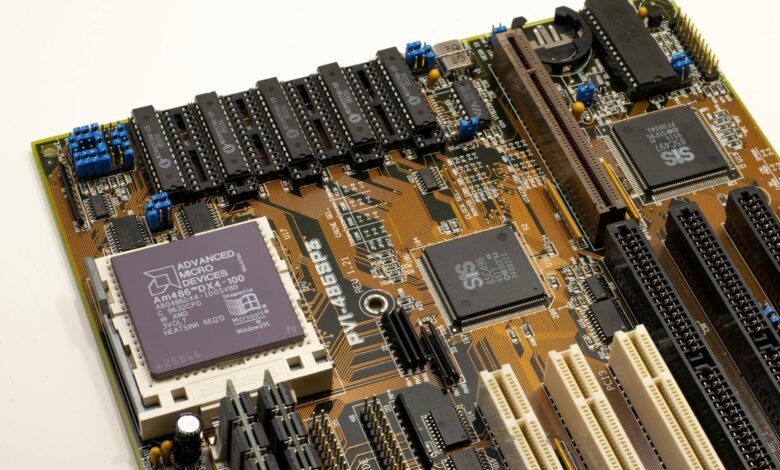
Nvidia’s dominance in artificial intelligence chips has sparked a gold rush mentality among investors, but instead of panning for individual nuggets, many are turning to exchange-traded funds that capture the entire semiconductor ecosystem. The chip giant’s meteoric rise has created ripple effects across the industry, prompting fund managers to launch specialized ETFs targeting AI-focused semiconductor companies.
The numbers tell the story of Nvidia’s unprecedented influence. The company’s data center revenue has grown exponentially as demand for AI training and inference chips surged. Major cloud providers like Microsoft, Amazon, and Google have become voracious consumers of Nvidia’s high-end graphics processing units, driving semiconductor stocks to new heights and creating investor appetite for broader exposure to the sector.
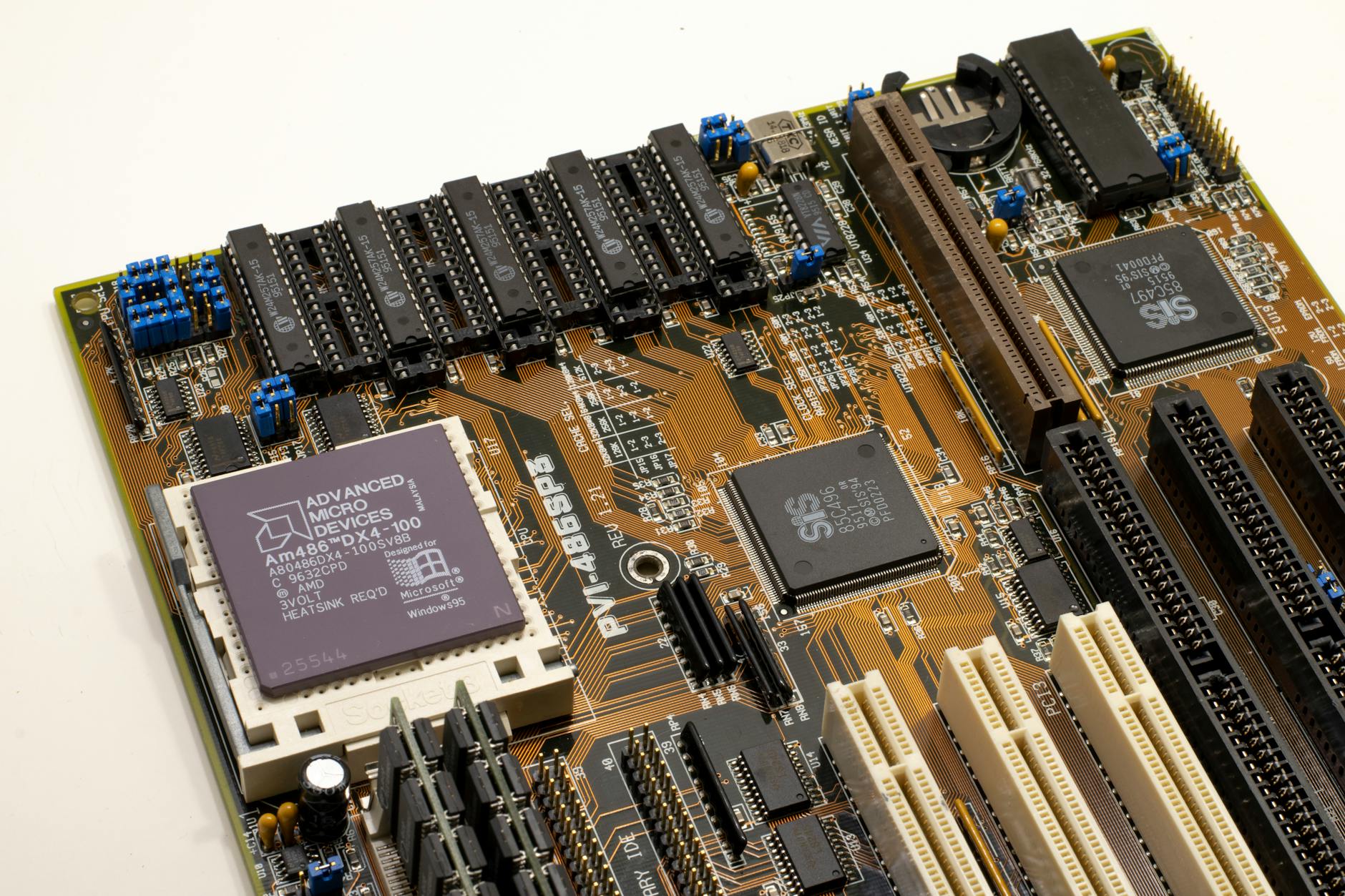
New ETF Launches Target AI Semiconductor Winners
Fund companies have responded to investor demand with a wave of semiconductor-focused ETFs specifically designed to capitalize on the AI boom. These funds differ from traditional technology ETFs by concentrating on companies that manufacture, design, or support the production of chips essential for artificial intelligence applications.
The VanEck Semiconductor ETF and iShares Semiconductor ETF have seen substantial inflows as investors seek diversified exposure beyond Nvidia alone. Newer entrants like the Global X Robotics & Artificial Intelligence ETF include semiconductor companies alongside AI software developers and robotics firms, offering a broader play on the automation trend.
These ETFs typically hold positions in Advanced Micro Devices, Taiwan Semiconductor Manufacturing Company, Broadcom, and Qualcomm, alongside Nvidia. The strategy allows investors to benefit from the AI chip boom while reducing single-stock concentration risk that comes with betting everything on Nvidia’s continued dominance.
Fund managers emphasize that the AI revolution requires an entire ecosystem of semiconductor companies. Memory chip makers like Micron Technology benefit from increased demand for high-bandwidth memory used in AI applications. Analog semiconductor companies provide power management solutions for data centers running AI workloads around the clock.
Infrastructure Demand Creates Investment Opportunities
The surge in AI chip demand has created bottlenecks throughout the semiconductor supply chain, generating investment opportunities beyond the chip designers themselves. Equipment manufacturers that produce the specialized machinery needed to fabricate advanced semiconductors have become crucial components of AI-focused ETFs.
Applied Materials, Lam Research, and ASML Holding manufacture the photolithography and etching equipment required to produce cutting-edge chips. These companies have seen order backlogs stretch months into the future as foundries rush to expand capacity for AI chip production. ETF managers view these infrastructure plays as essential holdings for capturing the full scope of the AI semiconductor opportunity.

Testing and assembly companies also benefit from the AI chip boom. As semiconductors become more complex and valuable, the precision required for packaging and testing increases dramatically. Companies specializing in these services have experienced significant revenue growth, making them attractive additions to semiconductor-focused funds.
The global nature of semiconductor manufacturing has led ETF managers to include international holdings. Taiwan Semiconductor Manufacturing Company remains the world’s largest contract chip manufacturer, producing processors for Apple, Nvidia, and numerous other technology giants. South Korean memory manufacturers Samsung and SK Hynix provide essential components for AI systems, while European companies like ASML hold critical positions in the chip manufacturing process.
Market Concentration Risks and Diversification Benefits
While Nvidia’s success has lifted the entire semiconductor sector, its overwhelming market share in AI chips creates concentration risks that ETFs aim to mitigate. The company’s dominance in training chips for large language models has made it indispensable to major technology companies, but this concentration leaves the market vulnerable to any disruption in Nvidia’s business.
Semiconductor ETFs provide diversification by including companies developing alternative approaches to AI processing. Intel has invested heavily in its AI chip development program, while AMD continues to compete in both data center and consumer graphics markets. Startups backed by major venture capital firms are developing specialized AI chips for specific applications, though most remain privately held.
The cyclical nature of the semiconductor industry adds another layer of complexity for ETF investors. Historical patterns show that chip demand can shift rapidly based on economic conditions, technological transitions, and inventory cycles. ETF managers attempt to balance exposure across different semiconductor segments to smooth out these fluctuations.
Some funds focus specifically on companies benefiting from the semiconductor shortage recovery, recognizing that supply chain normalization creates opportunities throughout the industry. This approach captures value from both traditional semiconductor applications and emerging AI use cases.
Future Growth Prospects Drive Continued Interest

Investment analysts project that AI chip demand will continue growing as artificial intelligence applications expand beyond current use cases. Autonomous vehicles, robotics, edge computing, and consumer electronics represent massive potential markets for specialized semiconductors. ETF managers are positioning their funds to capture this broader adoption cycle.
The development of more efficient AI models and processing techniques could shift demand patterns within the semiconductor industry. Companies developing neuromorphic chips, quantum processors, and other advanced technologies may emerge as significant players, potentially reshaping the competitive landscape that current ETFs reflect.
Regulatory considerations also influence ETF composition and strategy. Export controls on advanced semiconductors to certain countries affect which companies can participate in global AI chip markets. Fund managers must navigate these restrictions while maintaining broad exposure to growth opportunities in the sector.
As the AI revolution continues unfolding, semiconductor ETFs offer investors a way to participate in the technological transformation without betting everything on individual companies. The funds provide professional management, diversification, and exposure to the entire ecosystem supporting artificial intelligence development. Whether this approach proves superior to direct stock ownership will depend on how the competitive landscape evolves and whether Nvidia can maintain its current dominance in an increasingly crowded field.
Frequently Asked Questions
What are AI semiconductor ETFs?
Exchange-traded funds that invest in companies making chips and equipment for artificial intelligence applications, offering diversified exposure to the AI chip boom.
Why choose semiconductor ETFs over individual stocks?
ETFs reduce single-stock risk while providing exposure to the entire AI chip ecosystem, including manufacturers, equipment makers, and suppliers.