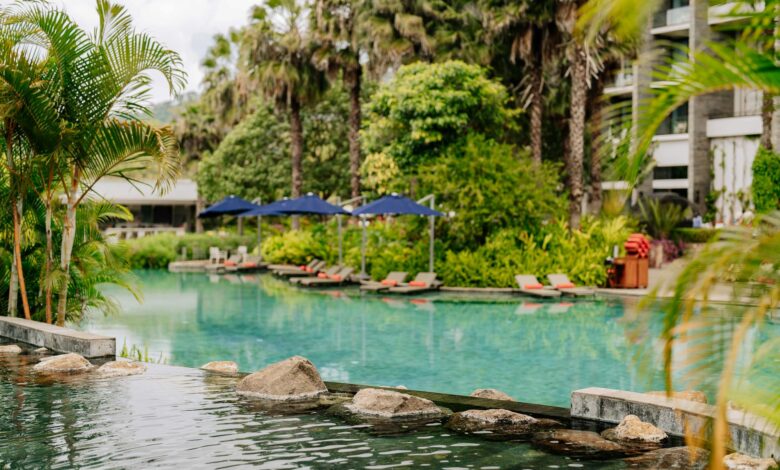
The smell of campfire smoke and the gentle hum of generators once defined America’s RV parks. Today, billion-dollar private equity firms are writing checks to transform these humble roadside stops into luxury resort empires, fundamentally changing how Americans experience outdoor hospitality.
Private equity giants have poured over $15 billion into RV resort acquisitions since 2019, according to industry data from the National Association of RV Parks and Campgrounds. What started as mom-and-pop operations serving budget-conscious travelers has evolved into a consolidation frenzy targeting affluent adventurers willing to pay premium prices for resort-style amenities.
The transformation reflects broader shifts in American leisure spending. As remote work normalized and experiential travel surged, RV ownership jumped 62% between 2020 and 2022. High-net-worth individuals, previously devoted to luxury hotels, discovered the appeal of private mobile accommodations paired with resort-level services.
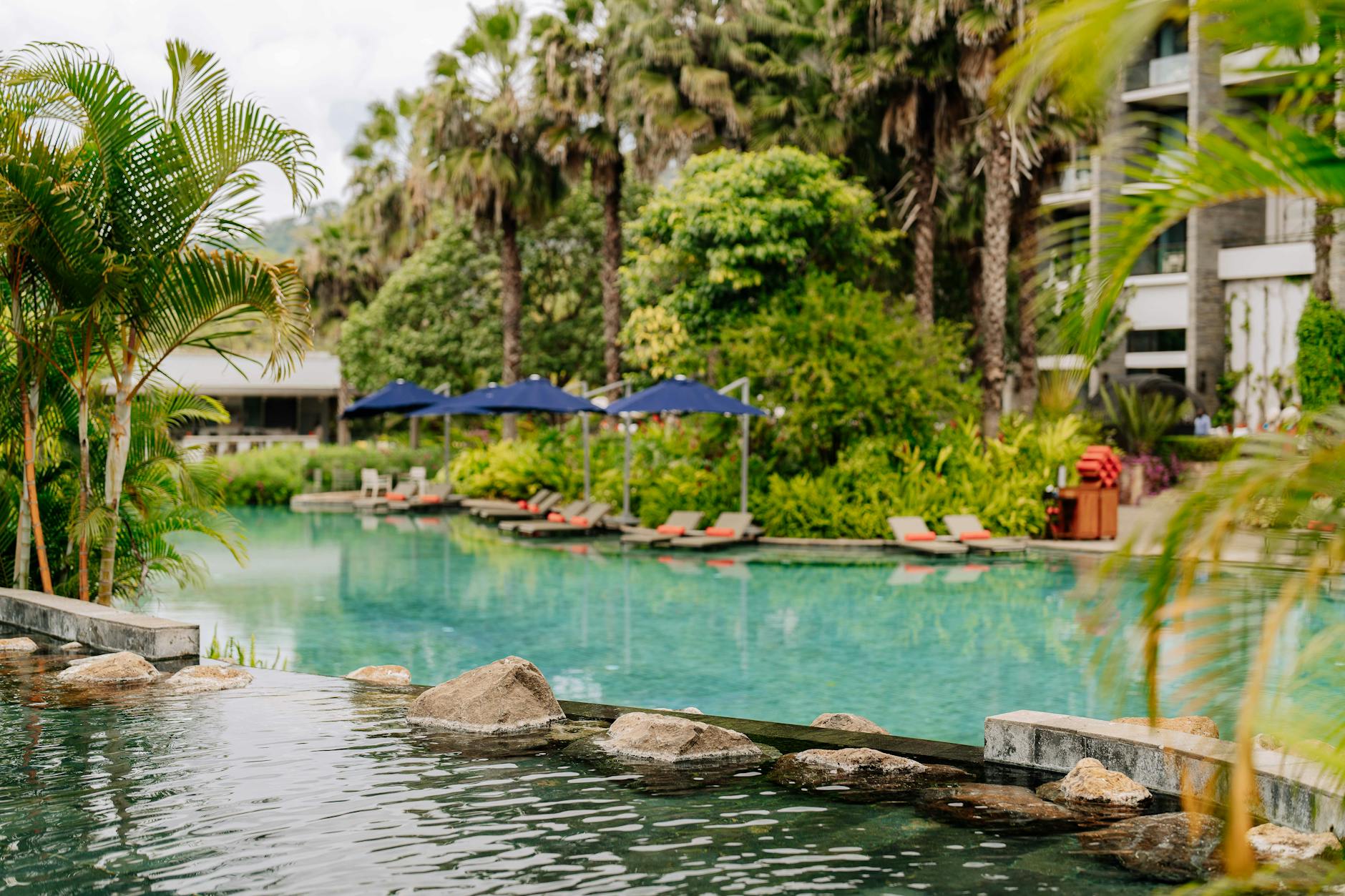
The Luxury Arms Race: From Hookups to Country Clubs
Traditional RV parks offered basic electrical hookups, water access, and maybe a communal shower facility. Today’s private equity-backed resorts feature infinity pools, full-service spas, championship golf courses, and concierge services that rival five-star hotels.
KOA Holdings, backed by Blackstone Group, operates over 500 locations across North America. Their recent acquisitions focus on properties with expansion potential for premium amenities. A typical KOA resort now includes dog parks with agility courses, glamping tents starting at $200 per night, and on-site restaurants helmed by regional celebrity chefs.
Equity LifeStyle Properties, publicly traded but heavily influenced by institutional investors, manages 450+ communities with amenities that include 18-hole golf courses, marina facilities, and fitness centers with personal trainers. Their properties in Florida and Arizona command daily rates exceeding $150, compared to industry averages of $45-60 for traditional parks.
The strategy extends beyond amenities to location acquisition. Private equity firms target properties near national parks, coastal areas, and major metropolitan centers where land values continue appreciating. A single resort acquisition can cost $50-200 million, with additional investment of $20-30 million for amenity upgrades and infrastructure improvements.
Consolidation Strategy: Building National Brands
Private equity’s approach mirrors successful hospitality consolidation models. Rather than operating individual properties, firms are building recognizable resort chains with standardized service levels and loyalty programs.
Sun Outdoors, owned by investment firm MidOcean Partners, exemplifies this strategy. Since 2020, they’ve acquired 75 properties across 23 states, creating a network where members enjoy reciprocal privileges and consistent experiences. Their properties feature uniform branding, centralized reservation systems, and standardized amenity packages.
The consolidation creates operational efficiencies impossible for independent operators. Bulk purchasing agreements reduce supply costs by 15-20%. Centralized marketing budgets enable national advertising campaigns targeting affluent demographics. Professional management teams implement revenue optimization strategies, including dynamic pricing models that adjust rates based on seasonal demand and local events.
Technology integration distinguishes private equity-backed resorts from traditional operations. Mobile apps handle reservations, site selection, and concierge requests. Some properties feature keyless entry systems and automated check-in processes. Wi-Fi infrastructure supports remote work requirements, with dedicated co-working spaces and high-speed internet access throughout properties.

Market Demographics: Targeting the Affluent Outdoors Enthusiast
Private equity firms are betting on demographic trends favoring experiential luxury over material possessions. Their target customers aren’t budget-conscious road trippers but affluent professionals seeking outdoor experiences without sacrificing comfort.
The typical guest at premium RV resorts owns motorhomes valued between $150,000-500,000. These travelers prioritize convenience and are willing to pay premium rates for full-service experiences. Resort operators report average guest incomes exceeding $100,000 annually, with many customers owning multiple recreational vehicles.
Membership models generate recurring revenue streams beyond nightly rates. Sun Outdoors offers annual memberships starting at $8,000, providing priority bookings and discounted rates across their network. Thousand Trails, owned by Equity LifeStyle Properties, operates a membership program with over 80,000 active members paying annual fees ranging from $600-2,400.
The business model shares characteristics with country club operations, generating revenue through membership fees, guest passes, food and beverage sales, and retail merchandise. Some resorts report 40-50% of annual revenue from non-accommodation sources, creating diversified income streams less dependent on occupancy rates.
Corporate partnerships expand revenue opportunities. Several resort chains have established relationships with RV manufacturers, offering exclusive member discounts and on-site sales events. Others partner with outdoor gear companies, hosting product demonstrations and retail pop-ups that appeal to their affluent customer base.
Infrastructure Investment and Long-Term Returns
Private equity investment extends beyond amenity upgrades to fundamental infrastructure improvements. Many acquired properties require significant utility upgrades to support modern RVs with multiple slide-outs, residential-style appliances, and high electrical demands.
Water and sewer system upgrades often represent the largest capital expenditures. Modern luxury RVs consume 2-3 times more water than traditional units, requiring resort operators to invest in expanded treatment facilities and distribution systems. These improvements can cost $5-10 million per property but enable operators to charge premium rates and attract higher-end clientele.
Road and site improvements accommodate larger RVs while creating more spacious, private campsites. Properties are redesigned with wider roads, expanded turning radiuses, and individual sites up to 80 feet long. Landscaping investments create privacy barriers and aesthetic improvements that justify higher nightly rates.
The investment strategy aligns with broader infrastructure trends attracting institutional capital. Like the approach detailed in private foundation infrastructure investments, RV resort acquisitions offer stable, long-term returns with inflation protection built into rate structures.
Resort operators report annual revenue growth of 8-12% at upgraded properties, compared to 2-4% growth at traditional parks. The combination of higher nightly rates, increased occupancy, and ancillary revenue streams creates compelling returns for private equity investors accustomed to hospitality sector performance metrics.
Future Outlook: The Next Phase of Outdoor Hospitality
Private equity involvement in RV resort ownership shows no signs of slowing. Industry analysts project continued consolidation as institutional investors recognize the sector’s growth potential and recession-resistant characteristics.
The next phase likely includes international expansion and technology integration. Several firms are exploring Canadian market opportunities, while others investigate European glamping resort acquisitions. Domestic expansion focuses on underserved markets near major metropolitan areas where land costs remain reasonable but customer demand continues growing.
Technology will play an increasingly important role in guest experiences and operational efficiency. Properties are testing autonomous shuttle services, drone delivery for amenities, and integrated smart-home technology in premium sites. Some resorts are installing electric vehicle charging stations and exploring renewable energy systems that reduce operating costs while appealing to environmentally conscious guests.
The transformation of America’s RV park industry from roadside convenience to luxury destination reflects broader changes in how affluent consumers approach leisure travel. As private equity continues reshaping this sector, the distinction between camping and resort experiences will increasingly blur, creating new opportunities for investors willing to bet on the premiumization of outdoor hospitality.
Frequently Asked Questions
Why are private equity firms interested in RV resorts?
They offer stable returns, growing demand from affluent travelers, and opportunities to add premium amenities that justify higher rates.
How much do luxury RV resorts cost compared to traditional parks?
Premium resorts charge $150+ per night versus $45-60 at traditional parks, with additional membership fees and amenity charges.