
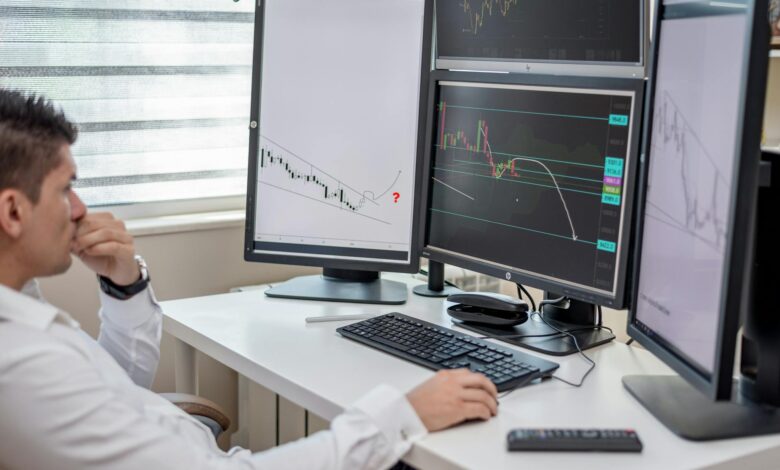
Artificial intelligence algorithms now scan millions of data points every second, searching for the subtle patterns that precede market catastrophes. Private wealth managers, responsible for safeguarding billions in ultra-high-net-worth portfolios, have quietly adopted machine learning systems that promise to predict the next financial crisis before it strikes.
The shift represents a fundamental change in how wealth preservation operates at the highest levels. Gone are the days when portfolio managers relied solely on traditional economic indicators and gut instincts. Today’s AI-powered systems analyze everything from satellite imagery of shipping lanes to social media sentiment across 50 languages, creating early warning networks that could potentially save fortunes from devastating market collapses.
Morgan Stanley’s wealth management division recently revealed that 85% of its private clients now use some form of AI-enhanced portfolio monitoring. Goldman Sachs’ Marcus platform processes over 200 terabytes of market data daily through neural networks designed to spot anomalies that human analysts might miss. The technology has evolved far beyond simple algorithmic trading to become sophisticated prediction engines.
Pattern Recognition Beyond Human Capability
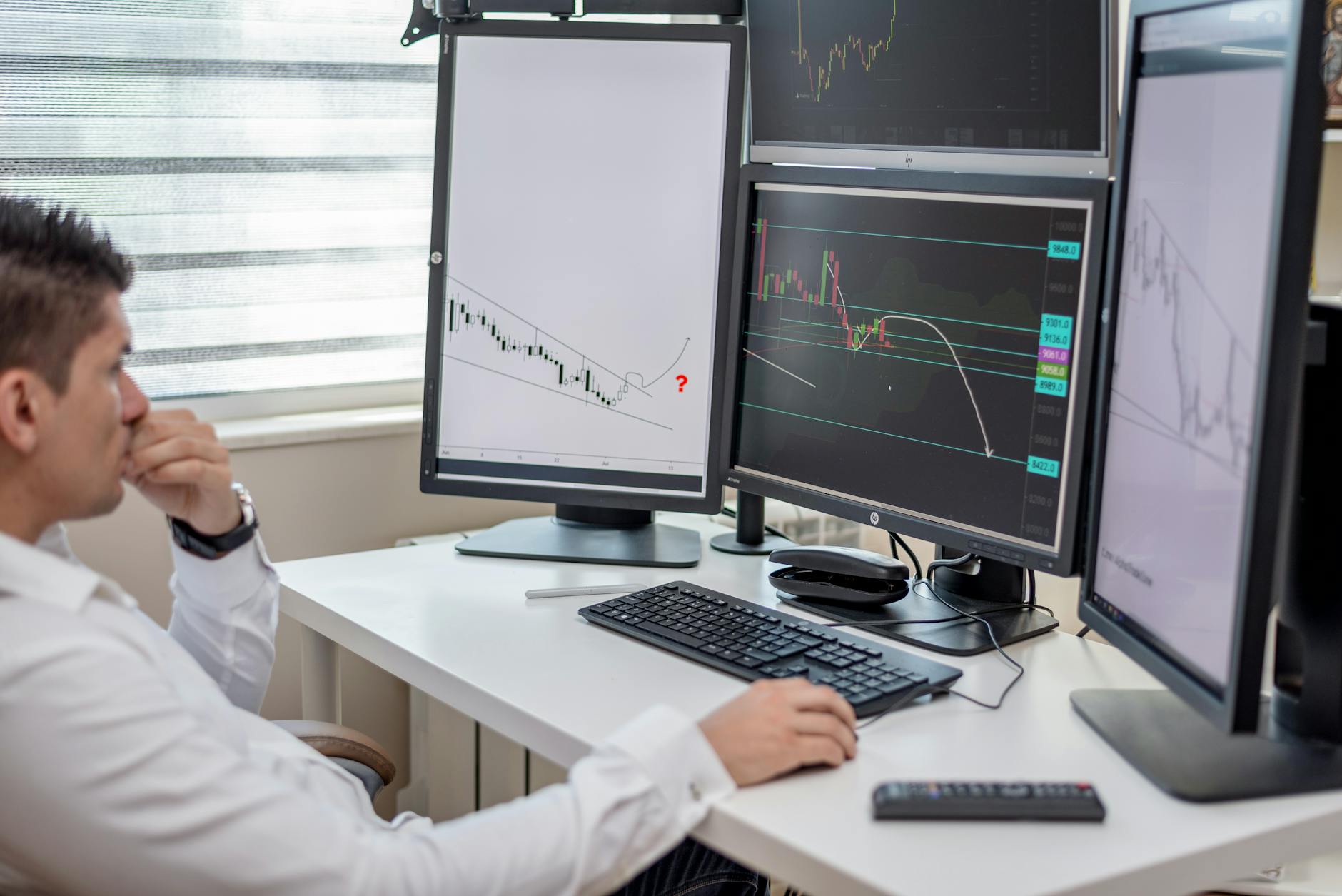
Machine learning systems excel at identifying patterns across vast datasets that would overwhelm human analysts. These AI platforms simultaneously track commodity flows, currency fluctuations, corporate earnings revisions, geopolitical events, and even weather patterns to build comprehensive risk models.
JPMorgan Chase’s LOXM algorithm, originally designed for equity trading, now helps wealth managers identify potential market stress points up to six months in advance. The system analyzes order flow patterns, volatility clustering, and correlation breakdowns that historically preceded major market disruptions.
“Traditional risk models look backward at what happened,” explains a senior portfolio manager at a major private wealth firm. “AI systems are forward-looking prediction engines that can process information at superhuman speed and scale.”
The technology has proven particularly effective at detecting what economists call “fat tail” events – rare but catastrophic market movements that traditional models consistently underestimate. The 2008 financial crisis, COVID-19 market crash, and recent banking sector turbulence all exhibited early warning signals that AI systems can now identify and flag for human decision-makers.
Wealth managers report that these systems successfully predicted increased volatility in regional banking stocks months before Silicon Valley Bank’s collapse. The AI flagged unusual patterns in deposit flows, commercial real estate exposure, and interest rate sensitivity that conventional analysis missed.
Real-Time Risk Assessment and Portfolio Adjustment
The most sophisticated AI systems don’t just predict crashes – they automatically adjust portfolio allocations in response to changing risk profiles. These “adaptive portfolios” can shift from growth stocks to defensive positions within hours of detecting elevated crash probabilities.
BlackRock’s Aladdin platform, used by wealth managers overseeing trillions in assets, continuously recalculates portfolio risk using machine learning models that incorporate over 5,000 risk factors. The system can execute pre-programmed defensive strategies when crash indicators reach predetermined thresholds.

Hedge funds and private wealth offices have developed proprietary AI systems that monitor specific “canary in the coal mine” indicators. These might include unusual options activity, credit default swap pricing, or even satellite data showing reduced economic activity in key manufacturing regions.
Some systems track social media sentiment and news flow using natural language processing to gauge market psychology. When negative sentiment reaches critical levels across multiple platforms and languages, the AI triggers alerts for portfolio managers to consider defensive positioning.
The technology has also revolutionized stress testing. Instead of running quarterly scenario analyses, AI systems continuously stress test portfolios against thousands of potential market scenarios, updating risk assessments in real time as new data arrives.
Private family offices, which manage wealth for individual ultra-rich families, increasingly rely on these AI systems to protect generational wealth. Private family banks have emerged as sophisticated alternative wealth management structures, many incorporating AI-driven risk management as a core service offering.
Alternative Data Sources Drive Predictive Power
The most successful AI prediction systems combine traditional financial data with alternative data sources that provide early economic signals. Satellite imagery showing empty parking lots at major retailers can predict earnings disappointments before quarterly reports. Shipping data reveals supply chain disruptions months before they impact corporate profits.
Credit card transaction data, anonymized and aggregated, provides real-time consumer spending insights that official economic statistics capture weeks later. Wealth managers use this information to identify sectors likely to underperform during economic slowdowns.
Some AI systems monitor corporate insider trading patterns, executive compensation changes, and even corporate jet flight patterns to detect potential problems at major companies. When multiple alternative data sources align with traditional risk indicators, the AI assigns higher crash probabilities to specific market sectors.
Energy markets have proven particularly amenable to AI prediction. Systems that combine weather forecasts, geopolitical risk assessments, and commodity storage data can predict energy price volatility with remarkable accuracy. This capability proved invaluable during recent energy market disruptions caused by geopolitical events.
The ultra-wealthy have also begun using AI to identify geographic diversification opportunities. Climate-resilient investment strategies increasingly rely on AI models that predict long-term environmental and economic stability across different regions.
Limitations and Human Oversight Remain Critical
Despite impressive capabilities, AI prediction systems face significant limitations that keep human portfolio managers firmly in control of final investment decisions. Market crashes often stem from unprecedented events or unique combinations of factors that historical data cannot fully capture.
The AI systems performed well during recent market stress periods, but wealth managers acknowledge that past performance doesn’t guarantee future accuracy. Human judgment remains essential for interpreting AI signals and making nuanced portfolio decisions that account for individual client circumstances and goals.

Regulatory compliance also requires human oversight. While AI can identify potential risks, wealth managers must ensure that any portfolio changes comply with fiduciary responsibilities and client investment guidelines. The technology serves as a sophisticated early warning system rather than an autonomous decision-maker.
False positives remain a challenge. AI systems sometimes flag elevated crash risks that don’t materialize, potentially causing unnecessary portfolio disruption. Experienced wealth managers have learned to calibrate AI sensitivity levels and combine machine predictions with traditional fundamental analysis.
The competitive advantage from AI prediction systems may also prove temporary. As the technology becomes more widespread, markets may become more efficient at pricing in the risks that AI systems identify, reducing their predictive edge over time.
Looking ahead, the integration of quantum computing and more sophisticated machine learning models promises even more powerful prediction capabilities. Wealth managers expect the next generation of AI systems to process exponentially larger datasets and identify increasingly subtle market patterns. The race to predict the unpredictable continues, with billions in private wealth hanging in the balance.
Frequently Asked Questions
How accurate are AI systems at predicting market crashes?
AI systems show promise but remain imperfect, successfully identifying some recent volatility patterns while producing occasional false positives.
Do AI systems automatically trade based on crash predictions?
Most systems provide alerts and recommendations to human portfolio managers who make final investment decisions and portfolio adjustments.