

Alaska changed everything. When the state adopted ranked choice voting in 2020, political observers watched closely as voters ranked candidates by preference instead of picking just one. The system delivered surprising results – moderate candidates won, extreme partisanship decreased, and voter satisfaction increased. Now, eleven more states have embraced this electoral reform.
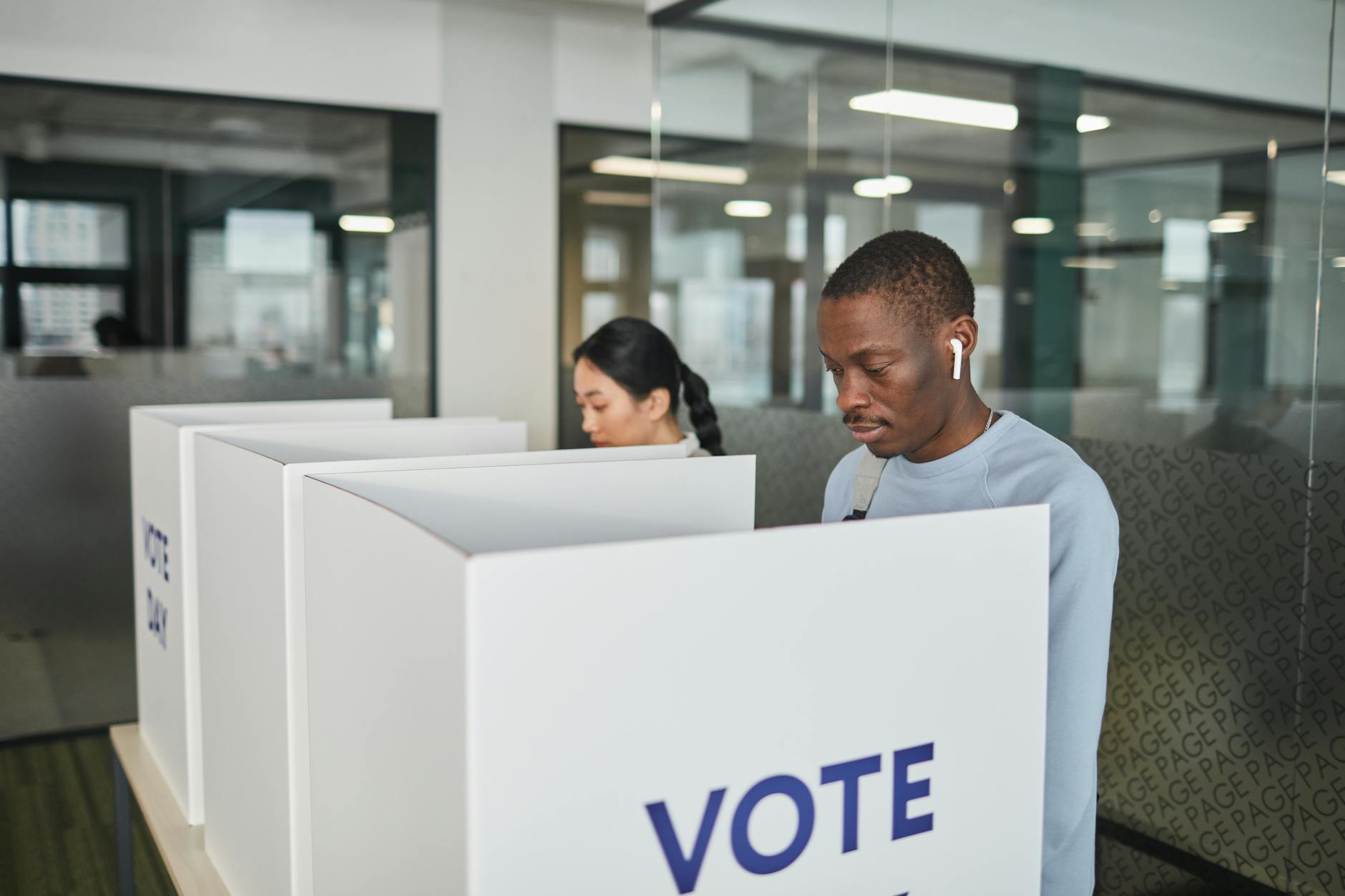
Ranked choice voting allows voters to rank candidates in order of preference. If no candidate receives a majority of first-choice votes, the candidate with the fewest votes is eliminated. Their supporters’ second choices are then redistributed. This process continues until someone reaches a majority. The system aims to ensure winners have broader support and reduce the influence of extreme candidates who appeal only to narrow bases.
Early Adopters Lead the Charge
Maine blazed the trail in 2016, becoming the first state to implement ranked choice voting for federal elections. The state faced legal challenges and political resistance, but voters upheld the system in a 2018 referendum. Maine’s success in both gubernatorial and congressional races demonstrated the system’s viability at scale.
Alaska followed with its own unique twist, combining ranked choice voting with open primaries. Under this system, all candidates compete in a single primary regardless of party affiliation, with the top four advancing to the general election. This approach has produced notable results, including the election of moderate candidates who might have struggled in traditional partisan primaries.
Several municipalities had already experimented with ranked choice voting before these statewide implementations. Cities like San Francisco, Minneapolis, and New York City used the system for local elections, providing valuable data on voter behavior and administrative logistics. These pilot programs helped refine implementation strategies and address technical challenges.
The Western Wave of Adoption
Western states have embraced ranked choice voting with particular enthusiasm. Nevada passed legislation in 2021 to implement the system, pending a second ballot measure victory in 2024. The state’s diverse political landscape and competitive elections made it an attractive testing ground for electoral reform.
Utah has seen growing support for ranked choice voting, particularly in Republican primaries where multiple candidates often split conservative votes. Several Utah counties have used the system for local elections, building familiarity among voters and election administrators. The state’s experience mirrors broader national trends showing bipartisan appeal for ranked choice systems.
Colorado and Oregon have active campaigns pushing for statewide adoption. Both states have strong traditions of political independence and ballot initiatives, creating favorable environments for electoral reform. Colorado’s experience with mail-in voting has also demonstrated voters’ willingness to embrace new election technologies and procedures.
The movement has gained momentum through grassroots organizations like FairVote and local advocacy groups. These organizations have developed sophisticated campaign strategies, focusing on education about how the system works and highlighting benefits like increased candidate diversity and reduced negative campaigning. They’ve also built coalitions that cross traditional partisan lines.
Technical Implementation and Challenges
Election administrators have had to navigate significant technical challenges in implementing ranked choice voting. Voting machines require software updates or replacement to handle ranked ballots. Tabulation systems must be redesigned to process multiple rounds of vote counting. These changes represent substantial investments in both technology and training.
Some states have addressed these challenges through phased rollouts. They begin with local elections to test systems and train staff before expanding to federal races. This approach has helped identify and resolve technical issues before high-stakes elections where problems could undermine public confidence.
The complexity of ranked choice tabulation has also required new approaches to election security and auditing. Election officials must verify not just that votes were counted correctly, but that the elimination and redistribution process followed proper procedures. This has led to enhanced transparency measures and more detailed public reporting of election results.
Training voters represents another significant challenge. Ranked choice voting requires different thinking about how to mark ballots and what it means to “waste” a vote. Educational campaigns have become crucial components of implementation, often requiring months or years of public outreach before the first ranked choice election.
Political Impact and Results
Early results suggest ranked choice voting is achieving many of its intended effects. Candidates are campaigning more broadly, seeking second and third-choice support from voters who might not rank them first. This has reduced negative campaigning, as attacking opponents risks alienating their supporters who might otherwise provide crucial second-choice votes.
The system has also increased opportunities for third-party and independent candidates. In traditional first-past-the-post elections, voters often avoid supporting preferred candidates who seem unlikely to win, fearing they’ll “waste” their votes. Ranked choice voting eliminates this concern, allowing voters to express their true preferences while still having their votes count in the final outcome.
Women and candidates of color have seen increased success under ranked choice voting systems. The broader coalition-building required to win under this system appears to favor candidates who can appeal across demographic and ideological lines. This has contributed to more diverse representation in jurisdictions that have adopted the reform.
Congressional redistricting software developments have shown how technology is reshaping political campaigns across multiple fronts, from drawing district boundaries to counting votes in new ways.
Future Expansion and Obstacles
The momentum behind ranked choice voting shows no signs of slowing. At least six additional states are considering legislation or ballot initiatives for the 2024 election cycle. These include both traditionally blue and red states, suggesting the appeal of electoral reform crosses partisan boundaries.
However, significant obstacles remain. Some states have passed legislation explicitly banning ranked choice voting, viewing it as an unnecessary complication or partisan power grab. Legal challenges continue in several jurisdictions, focusing on everything from constitutional requirements to voting rights concerns.
The success of ranked choice voting will likely depend on continued positive results in early-adopting states. If voters in Maine, Alaska, and other jurisdictions remain satisfied with their experiences, momentum for expansion will probably continue. Conversely, any major problems or voter dissatisfaction could slow or reverse the trend.
Technology vendors are increasingly adapting their systems to support ranked choice voting, reducing implementation costs and complexity. This technical evolution should make adoption easier for additional states and localities considering the reform.
As America grapples with political polarization and declining faith in democratic institutions, ranked choice voting represents one potential path toward more representative and responsive elections. The experiences of these twelve pioneering states will shape the national conversation about electoral reform for years to come.
Frequently Asked Questions
How does ranked choice voting work?
Voters rank candidates in order of preference. If no one gets a majority, the last-place candidate is eliminated and their votes go to supporters’ second choices.
Which states use ranked choice voting?
Alaska and Maine use it statewide, while ten other states have implemented it for local elections or are in various stages of adoption.