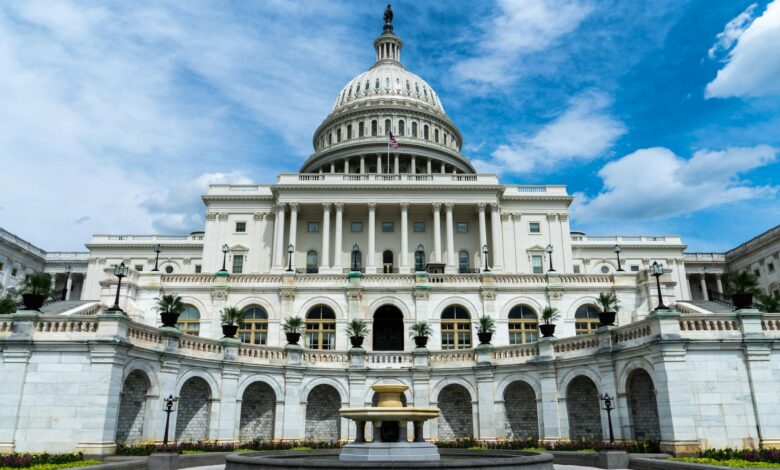
Federal dollars flow differently when cities declare themselves sanctuaries. What started as local immigration policy has evolved into a complex chess game between municipalities and Washington, with billions in federal funding hanging in the balance.
The sanctuary city movement has grown from a handful of jurisdictions to over 200 cities, counties, and states across America. These policies limit cooperation between local law enforcement and federal immigration authorities, creating a patchwork of enforcement that varies dramatically from one jurisdiction to another. As these policies expand, they’re triggering unprecedented battles over federal funding that reach far beyond immigration enforcement.
The Federal Funding Leverage Game
Washington has historically used funding as a policy tool, but sanctuary cities have transformed this dynamic into something more complex. The Trump administration attempted to withhold federal grants from sanctuary jurisdictions, leading to a series of legal battles that continue to shape federal-local relationships today.
Justice Department grants, Homeland Security funding, and Community Development Block Grants have all become weapons in this policy war. Cities like San Francisco and New York have seen federal officials threaten to cut millions in funding over their sanctuary policies. Chicago faced similar pressure, with federal authorities warning that non-cooperation on immigration enforcement could jeopardize grant money for police programs and community development projects.
The Biden administration reversed many of these funding restrictions, but the precedent remains. Federal agencies now operate with the understanding that funding can be wielded as policy leverage, creating uncertainty for local officials who must balance competing priorities when crafting their budgets.
Local governments have responded by diversifying their funding sources and building legal defenses. Many sanctuary cities now employ teams of lawyers specifically to navigate federal funding disputes, turning budget planning into a legal strategy session.
Economic Ripple Effects Beyond Immigration
The funding battles have reshaped how cities approach everything from infrastructure projects to social services. When federal transportation dollars become uncertain due to sanctuary policies, mayors must find alternative funding for road repairs and transit systems. This has accelerated the trend toward local tax increases and public-private partnerships in sanctuary jurisdictions.
Housing programs have felt particular strain. HUD funding for affordable housing projects often hangs in the balance during sanctuary policy disputes, forcing cities to delay construction or seek private investors. San Jose postponed several low-income housing developments while fighting federal funding restrictions, ultimately completing them with state and local bonds instead.
The healthcare sector has adapted similarly. Hospitals in sanctuary cities report changes in how they approach federal reimbursements and grants, knowing their jurisdiction’s policies could affect future funding streams. This has led some medical systems to increase their advocacy efforts and diversify their revenue sources.

Economic development incentives have also shifted. Companies considering relocations now factor sanctuary policies into their calculations, knowing these decisions could affect their access to federal contracts or grants. Some businesses have relocated specifically to avoid potential federal funding complications, while others have moved to sanctuary cities to align with their corporate values.
State-Level Strategic Responses
States have become crucial players in this funding chess match. California created its own grant programs to replace potential federal funding losses in sanctuary cities, essentially building a parallel funding system. The state allocated hundreds of millions to support local governments that faced federal pressure over immigration policies.
New York State followed a similar path, establishing backup funding mechanisms for municipalities that could lose federal dollars due to sanctuary policies. These state interventions have created new dynamics where local officials must navigate not just federal requirements, but also state expectations and funding formulas.
Red states have moved in the opposite direction, with some passing laws that prohibit their municipalities from adopting sanctuary policies. Texas and Florida have threatened to withhold state funding from cities that limit cooperation with federal immigration authorities, creating a reverse dynamic where local officials face pressure from above rather than below.
This state-level involvement has complicated the political landscape significantly. Cities now must consider federal, state, and local political dynamics when making policy decisions, particularly around law enforcement and social services.
The Legal and Administrative Evolution
Federal courts have repeatedly weighed in on funding disputes, creating a complex body of case law that governs how Washington can use financial leverage. The Supreme Court’s precedents on conditional federal funding now apply to immigration enforcement in ways the justices likely never anticipated when crafting those earlier decisions.
Administrative agencies have adapted their procedures to account for sanctuary policy considerations. Grant applications now include more detailed questions about local law enforcement cooperation, and federal program officers must navigate political sensitivities that didn’t exist a decade ago.
The bureaucratic machinery has evolved too. Federal agencies have developed new protocols for evaluating grant applications from sanctuary jurisdictions, while local governments have created specialized positions to manage federal relationships and funding risks.
Congressional redistricting software and data analysis have helped both sides map the political and economic landscapes more precisely, allowing federal officials to target funding pressure more effectively while helping sanctuary cities identify potential allies and funding alternatives. Much like how redistricting software is changing political campaign strategies, these tools have transformed the sanctuary city funding battle into a more data-driven conflict.

Looking Forward
The sanctuary city funding battles have permanently altered the relationship between federal and local government. Future administrations will inherit this precedent of using funding as immigration policy leverage, regardless of their political orientation. Local officials now build their budgets with the assumption that federal funding could become political at any moment.
These changes extend beyond immigration into other policy areas where local and federal priorities may diverge. Climate change, policing reform, and social programs could all become subjects of similar funding battles as the precedent set by sanctuary city disputes normalizes the use of federal dollars as policy weapons.
The evolution continues as new challenges emerge. Local governments are becoming more sophisticated in their legal and financial defenses, while federal agencies develop more nuanced approaches to conditional funding. What began as a straightforward disagreement over immigration enforcement has become a complex restructuring of American federalism, with implications that will shape governance for decades to come.
Frequently Asked Questions
What federal funding is affected by sanctuary city policies?
Justice Department grants, Homeland Security funding, Community Development Block Grants, and various infrastructure and housing programs have all been subjects of funding disputes.
How do states respond to sanctuary city funding battles?
Some states create backup funding programs to support their sanctuary cities, while others prohibit sanctuary policies and threaten their own funding cuts to non-compliant municipalities.