The automotive industry’s three-year nightmare is finally ending. Semiconductor shortages that crippled car production and sent vehicle prices soaring are loosening their grip, creating a windfall for auto supplier stocks that savvy investors are rushing to capture.
Major auto suppliers have seen their stock prices surge as chip availability improves and automakers ramp up production. Companies like Bosch, Continental, and Magna International are reporting stronger earnings as they fulfill backlogged orders and secure new contracts from manufacturers desperate to rebuild inventory levels.
The recovery comes as global semiconductor production capacity has expanded significantly. Taiwan Semiconductor Manufacturing Company and other major chipmakers have brought new facilities online, while automotive-specific chip production has received priority allocation. This shift marks a dramatic turnaround from 2021 and 2022, when car manufacturers faced months-long delays for critical electronic components.
Production Ramp-Up Drives Supplier Demand
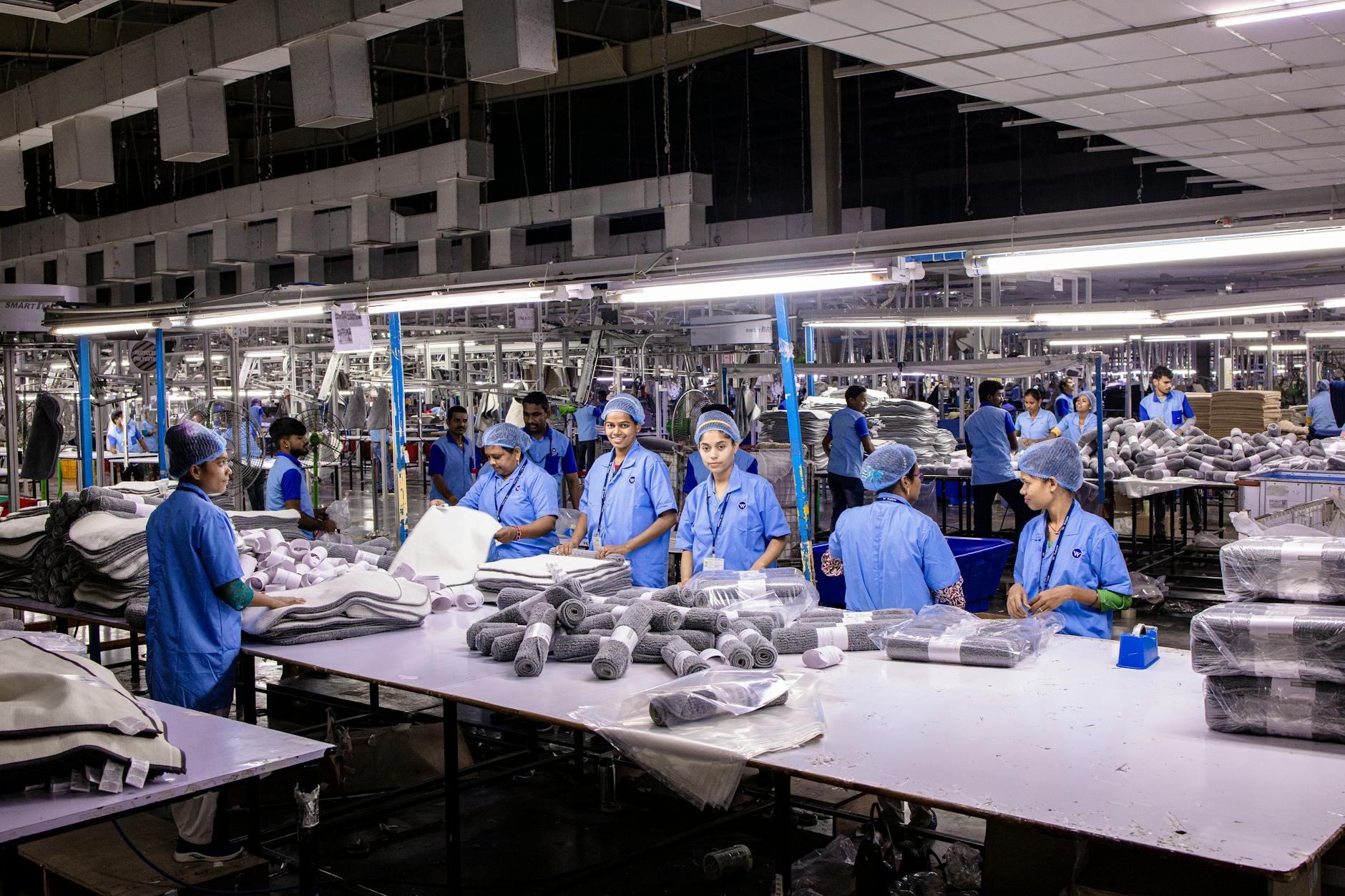
Auto suppliers are experiencing unprecedented demand as manufacturers accelerate production schedules. Ford, General Motors, and Stellantis have all announced increases in their 2024 production targets, directly benefiting their supplier networks.
Magna International, one of the world’s largest auto suppliers, reported a 15% increase in quarterly revenue as North American production volumes recovered. The company’s stock has gained over 20% since the beginning of the year, outpacing the broader market as investors recognize the leverage suppliers have to production increases.
Continental AG, the German automotive supplier, has seen similar gains as European automakers boost output. The company’s tire division and automotive electronics segment are both benefiting from increased vehicle production and the industry’s ongoing shift toward electric vehicles, which require more sophisticated electronic systems.
Smaller suppliers are experiencing even more dramatic gains. Companies specializing in specific components like airbags, braking systems, and interior components are seeing order books fill as automakers work to clear massive backlogs of customer orders that accumulated during the shortage period.
The ripple effect extends beyond traditional suppliers to companies providing raw materials and manufacturing equipment. Steel and aluminum suppliers are experiencing increased demand, similar to trends seen in infrastructure spending boosting steel and concrete stock prices.
Electric Vehicle Transition Creates New Opportunities
The semiconductor recovery coincides with the automotive industry’s massive shift toward electric vehicles, creating additional growth opportunities for suppliers that can adapt quickly. Battery suppliers, charging infrastructure companies, and manufacturers of specialized EV components are seeing particularly strong investor interest.
BorgWarner, traditionally known for combustion engine components, has successfully pivoted to electric vehicle technologies and reported strong growth in its EV-related revenue streams. The company’s stock has outperformed many traditional automotive suppliers as investors reward its strategic transition.

Suppliers focused on advanced driver assistance systems (ADAS) and autonomous vehicle technologies are experiencing explosive growth. These systems require significantly more semiconductors than traditional vehicles, meaning suppliers in this space benefit doubly from both chip availability improvements and increased demand for smart vehicle features.
LiDAR suppliers, camera system manufacturers, and radar technology companies are all seeing increased orders as automakers integrate more safety and convenience features into their vehicles. The regulatory push for advanced safety systems in both the United States and Europe is creating sustained demand that extends well beyond the current recovery cycle.
Battery suppliers represent another major growth area. Companies like Panasonic, CATL, and LG Energy Solution are expanding production capacity rapidly to meet demand from automakers. While these companies trade on different exchanges and present various access challenges for individual investors, their supply chain partners and raw material suppliers offer more accessible investment opportunities.
Regional Recovery Patterns and Investment Implications
The semiconductor shortage recovery is playing out differently across global regions, creating distinct investment opportunities. North American suppliers are benefiting from the CHIPS Act and increased domestic semiconductor production, while European suppliers are capitalizing on the region’s focus on electric vehicle adoption.
Asian suppliers, particularly those in South Korea and Japan, are experiencing strong demand from Chinese automakers who are aggressively expanding their electric vehicle offerings. This regional dynamic is creating currency and geopolitical considerations for investors evaluating supplier stocks.
The timing of recovery varies by component type and supplier specialization. Companies focused on simpler, commodity-like parts recovered first, while those producing advanced electronic systems are still experiencing strong catch-up demand. This staggered recovery pattern means investors can still find opportunities in suppliers that haven’t fully benefited from the production ramp-up.
Supply chain diversification efforts by automakers are also creating new opportunities. Companies that invested in flexible manufacturing capabilities and multiple production locations during the shortage are now winning market share from competitors that remained more concentrated. This trend is likely to continue as automakers prioritize supply chain resilience alongside cost considerations.

Looking Ahead: Sustainable Growth or Temporary Boost?
The critical question for investors is whether current supplier stock gains represent sustainable growth or merely a temporary recovery bounce. Several factors suggest the strength may persist beyond the immediate shortage recovery.
Electric vehicle adoption is accelerating globally, driven by government mandates, improving battery technology, and changing consumer preferences. This transition requires fundamentally different supply chains and creates sustained growth opportunities for suppliers that position themselves correctly.
The automotive industry’s increasing software content also supports longer-term supplier growth. Modern vehicles contain dozens of electronic control units and require regular software updates, creating recurring revenue opportunities that didn’t exist in traditional automotive manufacturing.
However, investors should remain mindful of cyclical risks. The automotive industry remains sensitive to economic cycles, and any downturn in consumer demand could quickly reverse current gains. Interest rate changes, inflation pressures, and geopolitical tensions all represent potential headwinds for the sector.
The recovery in auto supplier stocks reflects both short-term production normalization and longer-term industry transformation. Companies that successfully navigate the transition to electric and autonomous vehicles while maintaining operational efficiency through economic cycles will likely deliver the strongest returns for investors willing to take a long-term view on this fundamental industry shift.
Frequently Asked Questions
Which auto supplier stocks are benefiting most from the semiconductor recovery?
Major suppliers like Magna International, Continental AG, and BorgWarner are seeing strong gains as production volumes increase and EV demand grows.
Is the auto supplier stock rally sustainable long-term?
The rally combines short-term recovery and long-term EV transition trends, but investors should watch for economic cycle risks and demand fluctuations.