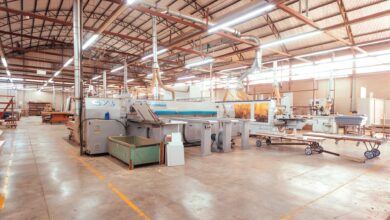

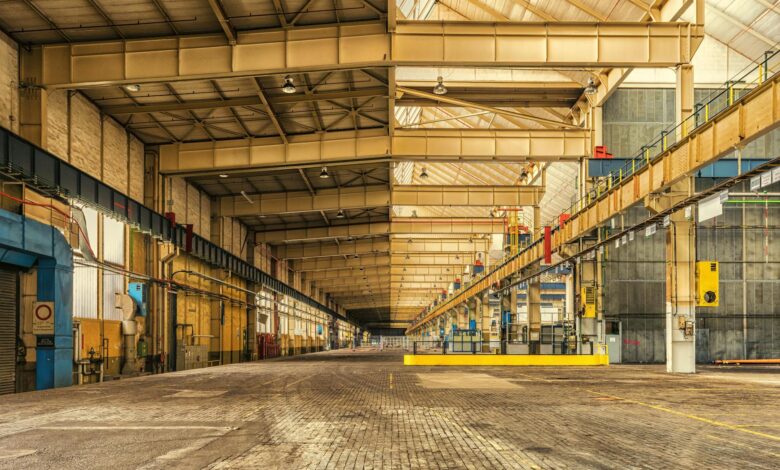
American manufacturers are scrambling to build massive stockpiles of raw materials as tariff threats loom over international trade relationships. From steel producers in Pennsylvania to electronics manufacturers in California, companies are accelerating purchases and expanding warehouse capacity to shield themselves from potential price shocks that could devastate profit margins and disrupt production schedules.
The rush to stockpile represents a fundamental shift in how US manufacturers approach supply chain management. Companies that once embraced just-in-time delivery systems are now reverting to inventory models not seen since the 1980s, driven by uncertainty over trade policy and the need to maintain competitive pricing in an increasingly volatile global marketplace.
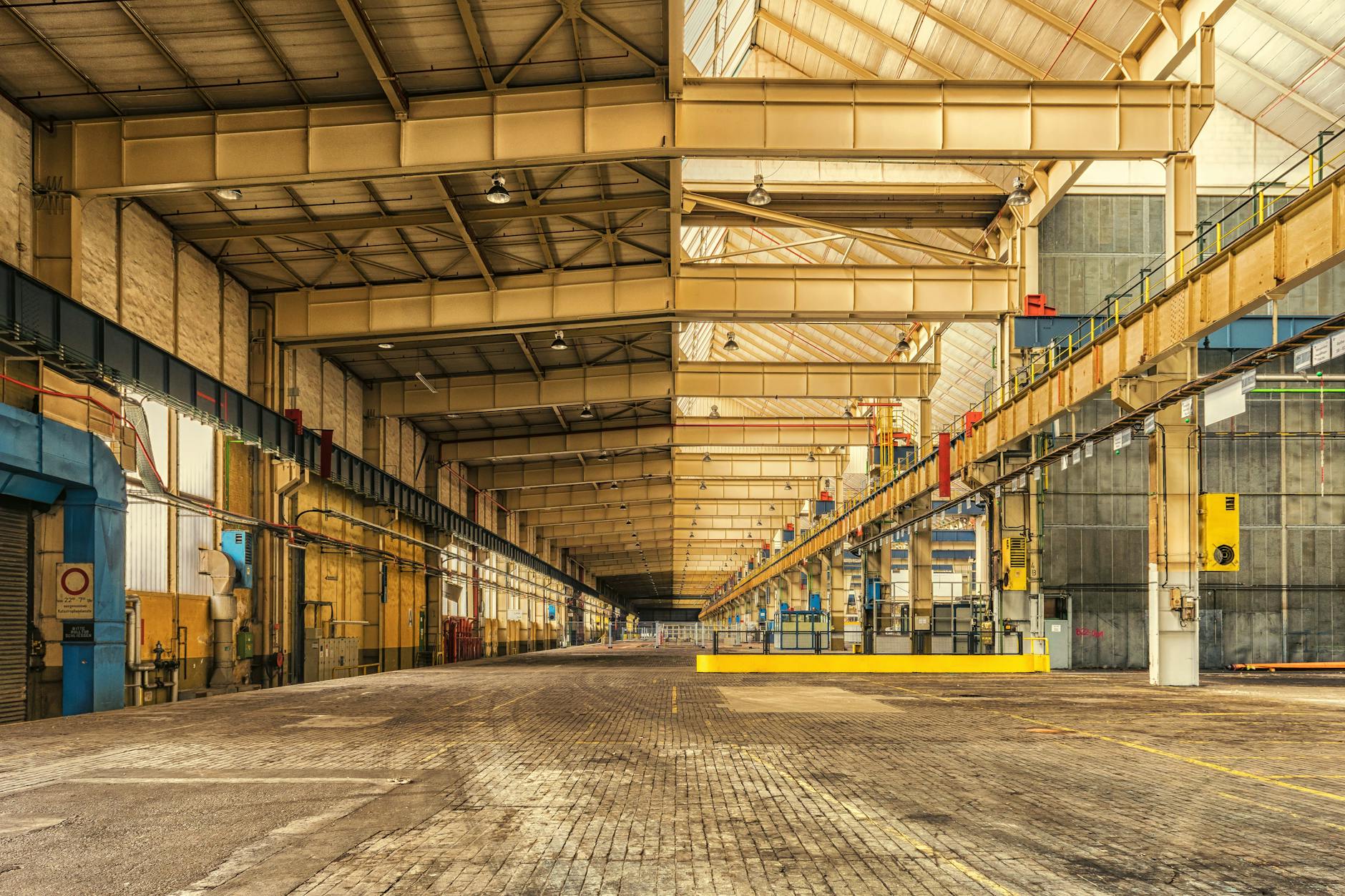
The Great Materials Rush Transforms Industrial Strategy
Manufacturing executives across the country describe a dramatic acceleration in raw material purchases that began intensifying in recent months. Steel, aluminum, rare earth elements, and agricultural commodities top the buying lists as companies attempt to lock in current prices before potential tariffs take effect.
Midwest steel fabrication companies report purchasing three to six months of inventory ahead of normal schedules. A Michigan automotive parts manufacturer recently expanded its aluminum storage capacity by 40 percent, while textile producers in the Southeast are filling warehouses with imported cotton and synthetic fibers.
The stockpiling trend extends beyond traditional heavy industry. Electronics manufacturers are accelerating purchases of semiconductors, circuit boards, and rare earth magnets. Food processing companies are building reserves of imported ingredients, and pharmaceutical manufacturers are securing API supplies from overseas facilities.
This inventory buildup comes at significant financial cost. Companies must allocate capital traditionally used for equipment upgrades or research and development to purchase and store raw materials. Warehouse rental rates in industrial districts have increased as demand for storage space outpaces availability.
Supply Chain Restructuring Accelerates Across Industries
The threat of tariffs is forcing manufacturers to reconsider decades of globalization strategies. Companies are diversifying supplier bases, seeking domestic alternatives, and in some cases reshoring production capabilities they previously moved overseas.
Automotive manufacturers are particularly vulnerable given their complex international supply chains. A single vehicle contains components from dozens of countries, making tariff calculations extremely complicated. Major automakers are working with suppliers to identify alternative sourcing options and establish backup production capabilities.
Electronics companies face similar challenges with semiconductor supply chains that span multiple continents. The industry’s reliance on Asian production facilities for critical components creates exposure to tariff policies that could significantly impact product costs.
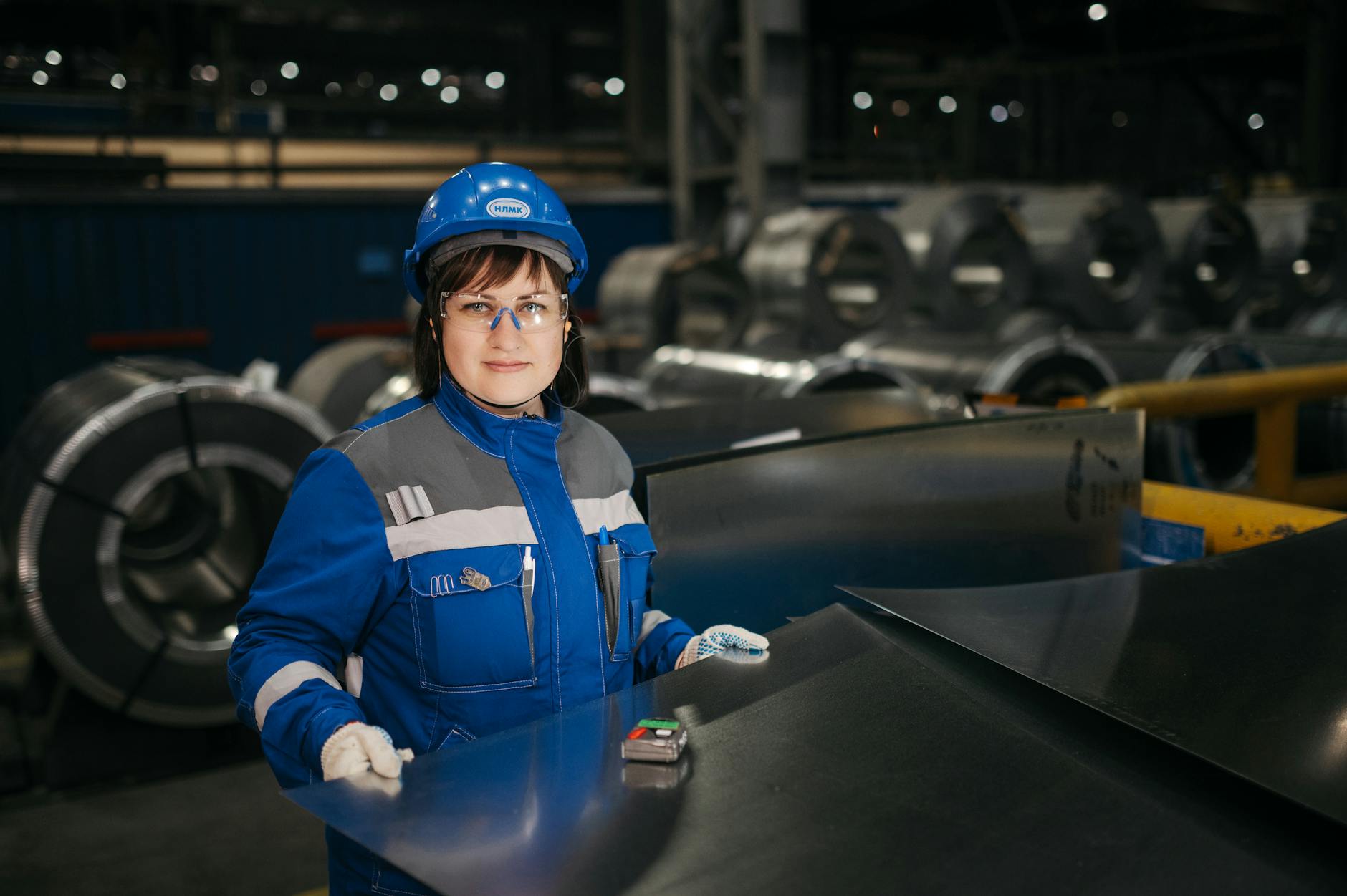
Agricultural processors are experiencing their own version of supply chain disruption. Companies dependent on imported agricultural products are securing forward contracts and expanding storage facilities. Meat processing companies are evaluating domestic feed suppliers to reduce reliance on imported grain and soy products.
The disruption is creating opportunities for domestic suppliers who can offer alternatives to imported materials. Government contractor job growth is revitalizing Rust Belt manufacturing towns as companies seek reliable domestic suppliers for critical materials and components.
Financial Impact Reshapes Corporate Planning
The cost of stockpiling extends far beyond the initial purchase price of raw materials. Companies must account for storage costs, insurance, inventory financing, and the opportunity cost of capital tied up in materials rather than growth investments.
Manufacturing CFOs report inventory levels 25 to 50 percent higher than typical seasonal patterns. This inventory buildup strains cash flow and requires additional financing arrangements with banks and suppliers. Some companies are negotiating extended payment terms with suppliers to manage the financial impact of accelerated purchasing.
The uncertainty also complicates long-term planning and capital allocation decisions. Companies are delaying major equipment purchases and facility expansions while they assess the potential impact of trade policy changes on their business models.
Insurance costs for stored inventory are increasing as warehouses reach capacity limits and companies store materials in less optimal conditions. Property insurers are reassessing risk models for industrial facilities with significantly higher inventory values than historical norms.
Smaller manufacturers face particular challenges financing increased inventory levels. Many lack the credit facilities necessary to support substantial material stockpiles and must choose between taking on debt or accepting potential supply disruptions.
Market Dynamics Create Winners and Losers
The stockpiling trend is creating distinct advantages for companies with strong balance sheets and extensive warehouse networks. Large manufacturers with existing storage capacity can build strategic material reserves without significant infrastructure investments.
Commodity traders and logistics companies are benefiting from increased demand for storage and transportation services. Warehouse operators in industrial areas report occupancy rates approaching 100 percent, with waiting lists for additional space.
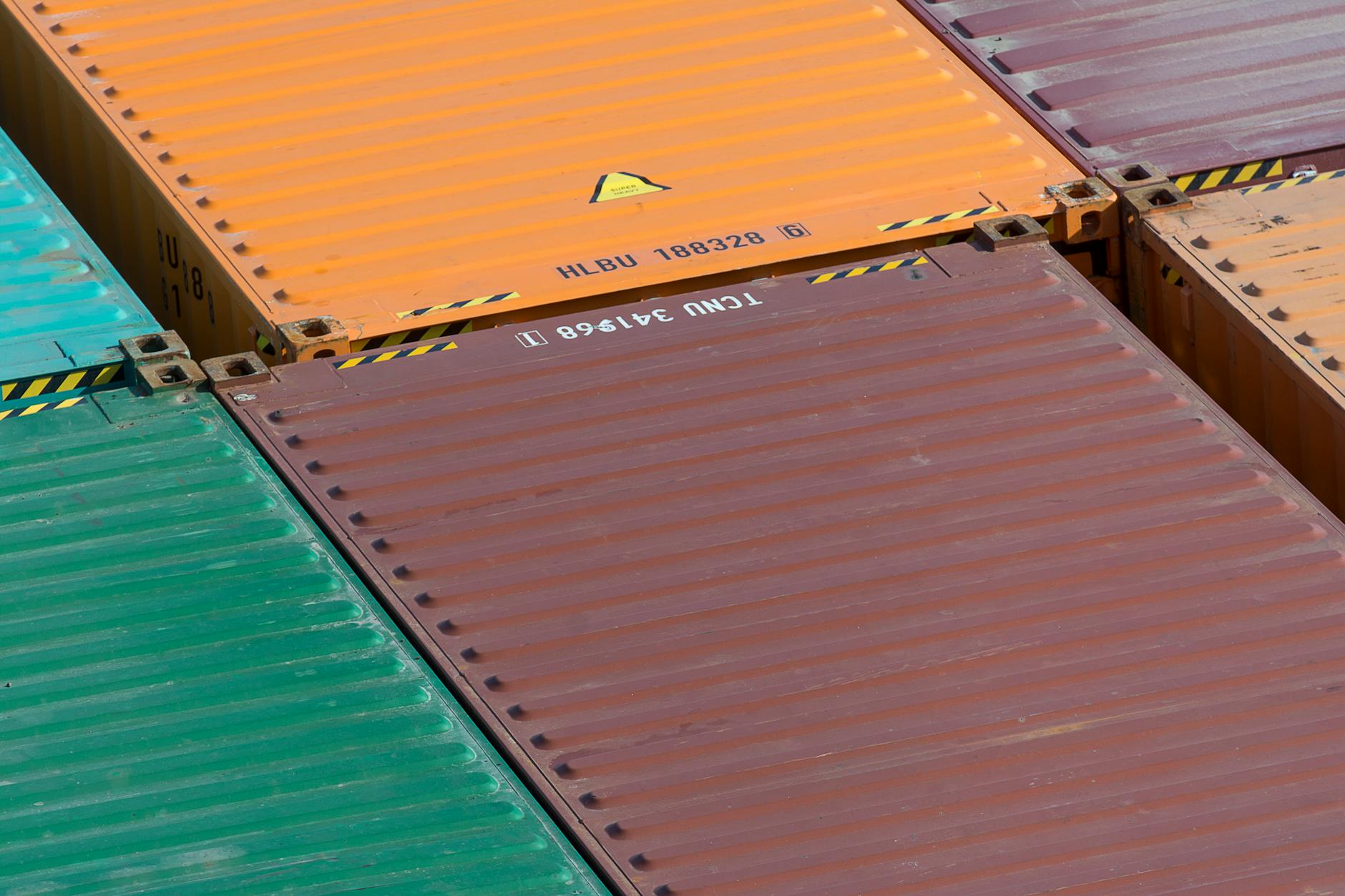
Suppliers are experiencing unusual demand patterns as customers accelerate purchasing schedules. Some raw material producers struggle to meet sudden spikes in demand, while others benefit from forward contracts that provide revenue predictability.
The trend is also reshaping relationships between manufacturers and their financial partners. Banks are adjusting credit facilities to accommodate increased inventory financing needs, while some companies explore alternative financing mechanisms like inventory securitization.
Small and medium-sized manufacturers without extensive financial resources face difficult decisions about how much inventory risk they can afford. Some are forming purchasing cooperatives to achieve better pricing and share storage costs, while others are accepting higher input cost risks rather than strain their balance sheets.
Looking ahead, the stockpiling phenomenon represents more than a temporary response to tariff uncertainty. It signals a fundamental shift toward supply chain resilience that prioritizes security over efficiency. Companies are learning that the cost of disruption often exceeds the savings from lean inventory systems, particularly in an era of increased trade volatility.
This transformation will likely persist regardless of specific trade policy outcomes, as manufacturers recognize the strategic value of maintaining buffer stocks against various forms of supply chain disruption. The question now is whether the benefits of increased supply chain resilience justify the substantial costs and operational complexity of managing significantly higher inventory levels.
Frequently Asked Questions
Why are manufacturers stockpiling raw materials now?
Companies are building inventory to avoid potential price increases from tariffs on imported materials and components.
Which industries are most affected by stockpiling?
Steel, automotive, electronics, and food processing industries are leading the stockpiling trend due to heavy reliance on imported materials.