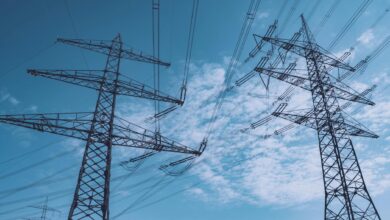
Nuclear power plants worldwide are adding capacity at the fastest pace in decades, creating unprecedented demand for uranium fuel that mining companies are racing to meet.
The nuclear energy revival stems from multiple converging factors: climate commitments requiring carbon-free baseload power, energy security concerns following geopolitical disruptions, and technological advances making new reactor designs more efficient. Countries from China to the United States are fast-tracking nuclear projects, while existing plants extend operating licenses to capitalize on favorable market conditions.
This surge in nuclear activity translates directly into higher uranium demand. Each 1,000-megawatt reactor requires approximately 200 tons of uranium fuel annually, creating a massive supply need as dozens of reactors come online globally. Mining companies positioned in this market are seeing their prospects transform almost overnight.
Supply Deficit Creates Investment Opportunity
Uranium mining faced a brutal decade following the Fukushima accident in 2011. Prices crashed from over $130 per pound to under $20, forcing mine closures and production cuts. Many publicly traded uranium miners saw their stock prices fall by 80% or more during this period.
The supply destruction was severe but necessary. Kazakhstan, the world’s largest uranium producer, cut output by 20% in recent years. Canadian miners shuttered major operations in Saskatchewan. Australian projects went into care and maintenance mode. This systematic reduction in global mining capacity now creates scarcity as demand rebounds.
Current uranium spot prices have climbed above $80 per pound, still well below historical peaks but sufficient to restart many mothballed operations. Mining executives report that prices need to sustain above $60 per pound to justify new mine development, suggesting the current price environment supports expansion plans across the industry.
The supply-demand imbalance appears structural rather than cyclical. Unlike previous uranium booms driven by financial speculation, today’s market fundamentals reflect real nuclear fuel requirements from operating and planned reactors. This creates a more stable foundation for sustained higher prices.
Geographic Advantages Shape Mining Prospects
Location matters enormously in uranium mining, both for geological resources and political stability. The highest-grade deposits historically came from Canada’s Athabasca Basin, where uranium concentrations can exceed 20% compared to typical grades below 1% elsewhere. These premium deposits allow profitable mining even during price downturns.
Kazakhstan dominates global production through in-situ leaching operations that extract uranium without traditional mining. However, geopolitical tensions with Russia, Kazakhstan’s key partner in nuclear fuel processing, create supply chain uncertainties that benefit Western uranium producers.
Australian uranium miners hold vast resources but face regulatory and political constraints. The country contains roughly one-third of global uranium reserves yet produces only about 10% of annual supply. Recent policy shifts toward supporting nuclear energy could unlock these resources for development.
African uranium operations in Niger and Namibia offer high-grade deposits but face infrastructure and political challenges. Security concerns in the Sahel region have disrupted some operations, highlighting the advantages of politically stable mining jurisdictions.
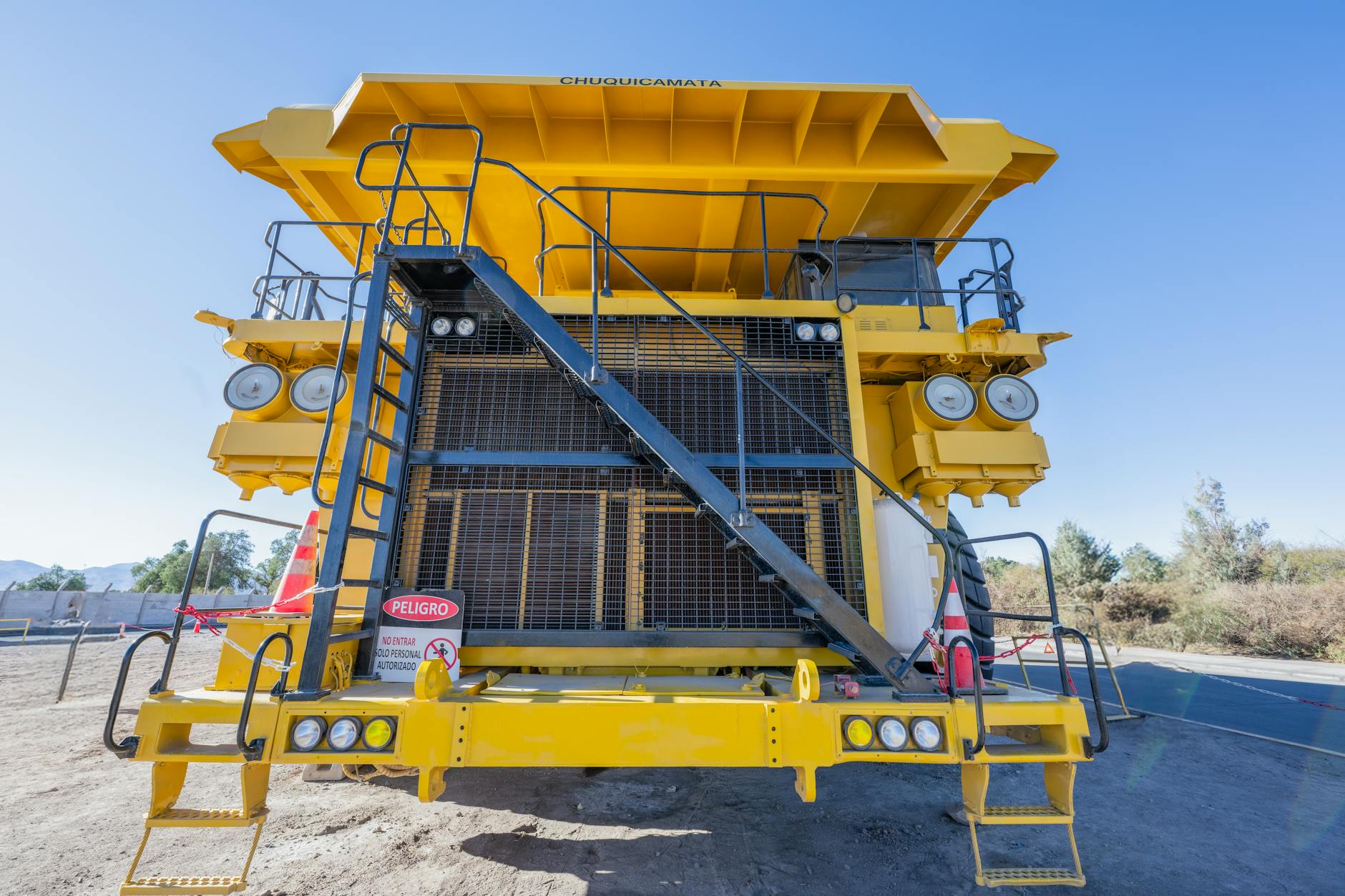
American uranium miners occupy a unique position due to national security considerations. The federal government views domestic uranium production as strategically important, leading to policies supporting local mining operations. The newly established uranium reserve program specifically purchases from U.S. producers, providing a guaranteed buyer for domestic production.
Technology and Environmental Factors Drive Selection
Modern uranium mining increasingly emphasizes environmental responsibility and technological efficiency. In-situ recovery methods, which dissolve uranium underground and pump it to the surface, minimize environmental disruption compared to traditional open-pit or underground mining.
These advanced extraction techniques particularly benefit companies operating in environmentally sensitive areas. Regulatory approval processes now heavily weigh environmental impact assessments, giving advantages to miners using cleaner extraction methods.
The connection between nuclear energy and climate goals creates interesting dynamics for investors focused on environmental, social, and governance criteria. While uranium mining faces traditional mining industry challenges, the end use for nuclear fuel supports decarbonization efforts. This paradox has led some ESG-focused funds to include uranium miners in their portfolios, similar to how lithium battery recycling companies are attracting ESG funds despite mining industry associations.
Processing capabilities also differentiate uranium mining companies. Converting raw uranium into nuclear fuel requires specialized facilities and regulatory approvals. Companies with integrated operations from mine to fuel fabrication command premium valuations due to their ability to capture more value along the supply chain.
Market Dynamics and Investment Considerations
Uranium markets operate differently from other commodity markets due to the specialized nature of nuclear fuel. Long-term contracts between utilities and miners traditionally governed most transactions, providing price stability but limiting upside participation during bull markets.
Recent market dynamics show utilities increasingly willing to pay higher spot prices rather than commit to long-term contracts at lower fixed prices. This shift benefits miners with near-term production capability but creates uncertainty for companies requiring long-term contract backing to finance new projects.
The uranium investment landscape includes both traditional mining companies and financial buyers accumulating physical uranium. Investment funds purchasing and storing uranium create additional demand beyond utility requirements, potentially amplifying price movements in either direction.
Currency considerations affect international uranium mining operations significantly. Most uranium trades in U.S. dollars while many mining costs occur in local currencies. Canadian and Australian miners benefit when their domestic currencies weaken against the dollar, improving profit margins on dollar-denominated uranium sales.

Future Outlook Supports Sustained Growth
The nuclear energy revival appears positioned for sustained growth rather than a temporary surge. Small modular reactor technology promises to expand nuclear power beyond traditional large-scale installations. These smaller units could proliferate more rapidly than conventional reactors, accelerating uranium demand growth.
International climate commitments increasingly recognize nuclear power as essential for achieving carbon reduction targets. The recent COP28 climate summit saw unprecedented support for tripling global nuclear capacity by 2050, signaling long-term political backing for nuclear expansion.
Geopolitical factors will likely continue supporting Western uranium miners as countries seek energy independence from potentially unreliable suppliers. Strategic uranium stockpiling by governments could create additional demand beyond utility requirements.
The investment thesis for uranium mining stocks rests on fundamental supply-demand imbalances that appear likely to persist. Unlike cyclical commodity booms driven by speculation, the current nuclear energy revival addresses structural energy needs that traditional renewable sources cannot fully meet. For investors seeking exposure to the clean energy transition while maintaining portfolio diversification, uranium mining companies offer a unique opportunity to benefit from both decarbonization trends and energy security priorities that are reshaping global power markets.
Frequently Asked Questions
Why are uranium mining stocks rising now?
Nuclear energy revival creates supply deficits as reactors add capacity while mining production remains constrained from previous decade’s cuts.
Which uranium mining locations offer best prospects?
Canada’s Athabasca Basin provides highest grades, while U.S. operations benefit from national security policies and guaranteed government purchases.