

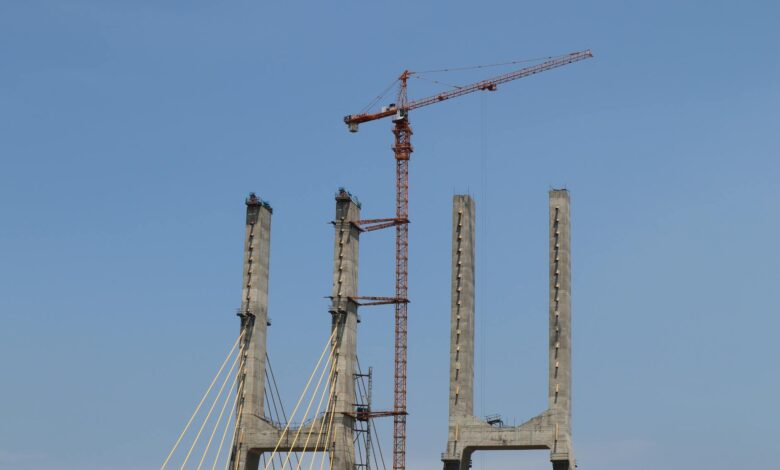
Nearly 231,000 American bridges – roughly 36 percent of the nation’s total – are classified as structurally deficient or functionally obsolete, according to the American Society of Civil Engineers. This infrastructure crisis has caught the attention of institutional investors seeking stable, long-term returns through Infrastructure Investment Trusts (InvITs), which are positioning themselves as a solution to America’s $2.6 trillion infrastructure funding gap.
The convergence of desperate infrastructure needs and institutional capital seeking predictable returns has created an investment opportunity that’s reshaping how America funds critical projects. Major pension funds, insurance companies, and sovereign wealth funds are increasingly viewing bridge rehabilitation and replacement as an asset class that can deliver steady cash flows over decades while addressing a national priority.
The Scale of America’s Bridge Problem
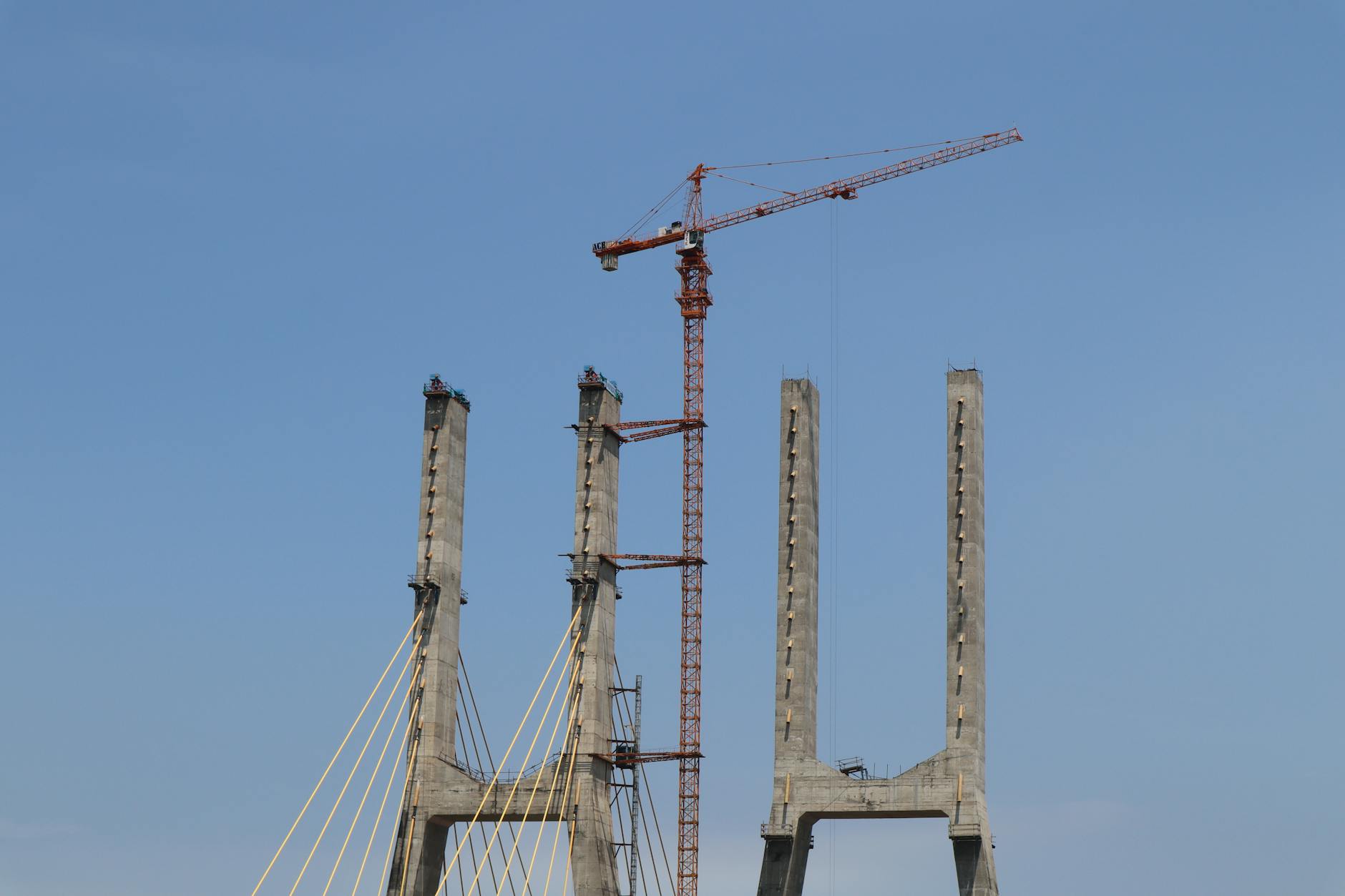
The numbers tell a sobering story. The Federal Highway Administration reports that the average American bridge is 44 years old, with many approaching or exceeding their 50-year design life. States collectively face an annual bridge funding shortfall of approximately $14.4 billion, according to transportation officials.
Pennsylvania leads the nation with over 4,500 structurally deficient bridges, followed by Iowa with nearly 4,200. Even wealthy states struggle with the burden – California has over 1,300 bridges rated as structurally deficient despite significant state transportation budgets. The I-35W Mississippi River bridge collapse in Minneapolis in 2007, which killed 13 people, remains a stark reminder of what happens when infrastructure investment is deferred.
Traditional funding mechanisms have proven inadequate. Federal gas tax revenues, the primary source of highway funding, have stagnated as vehicles become more fuel-efficient and infrastructure costs continue rising. State and local governments, already strained by competing budget priorities, find themselves unable to address the backlog of needed repairs and replacements.
This funding crisis has opened the door for private capital solutions, particularly Infrastructure Investment Trusts that can aggregate smaller bridge projects into larger, more attractive investment vehicles for institutional investors.
How Infrastructure Investment Trusts Work
Infrastructure Investment Trusts operate by purchasing revenue-generating infrastructure assets or financing new construction in exchange for long-term cash flows. For bridges, this typically involves toll revenues, availability payments from government entities, or shadow toll arrangements where governments pay based on traffic volume.
The Skyway Concession Company’s acquisition of the Chicago Skyway Bridge in 2005 for $1.83 billion demonstrated the model’s potential. The 99-year lease agreement transferred operating responsibilities to private investors while providing Chicago with immediate capital and guaranteed revenue streams for the concession company.
More recent examples include the transformation of existing toll-free bridges into revenue-generating assets through public-private partnerships. The Goethals Bridge replacement project between New York and New Jersey, completed in 2018, exemplifies how InvITs can finance major bridge reconstruction while providing predictable returns to investors through toll collections and availability payments.
These trusts appeal to institutional investors because bridges typically generate stable, inflation-adjusted cash flows over very long periods. Unlike many investments subject to market volatility, bridge traffic patterns tend to be predictable, and toll revenues often include automatic inflation adjustments or periodic rate reviews.

Major Players and Recent Investments
Several major Infrastructure Investment Trusts have emerged as key players in bridge financing. Brookfield Infrastructure Partners has assembled a portfolio of transportation assets across North America, including several bridge concessions. The firm’s approach focuses on acquiring existing infrastructure with established cash flows and enhancing operations through technology and efficiency improvements.
Macquarie Infrastructure and Real Assets, formerly Macquarie Infrastructure Corporation, has been particularly active in bridge investments. The Australian-based firm brings decades of experience from international infrastructure markets where private ownership of bridges and tunnels is more common. Their investment in the Dulles Greenway toll road in Virginia demonstrates their appetite for long-term transportation infrastructure assets.
Canadian pension funds have also shown significant interest in American bridge infrastructure. The Canada Pension Plan Investment Board has made substantial investments in U.S. toll roads and is actively evaluating bridge opportunities. These institutional investors bring patient capital and long-term investment horizons that align well with infrastructure asset lifecycles.
State governments have begun structuring bridge programs specifically to attract Infrastructure Investment Trust capital. Texas pioneered comprehensive development agreements that allow private entities to finance, design, build, and operate major bridge projects. The approach has been replicated in other states facing significant bridge funding challenges.
The trend has gained momentum as traditional funding sources prove insufficient. A recent analysis of municipal bond markets shows increasing stress on local government finances, making private infrastructure investment more attractive to cash-strapped municipalities.
Investment Returns and Risk Considerations
Infrastructure Investment Trusts targeting bridge assets typically target annual returns of 8-12 percent over investment periods spanning 25-50 years. These returns come primarily from toll revenues, government availability payments, or combination structures that provide revenue floors while allowing upside participation.
The risk profile varies significantly based on project structure. Greenfield projects – new bridges requiring construction – carry higher risks but potentially higher returns. Brownfield investments in existing bridges offer more predictable cash flows but lower return potential. Most institutional investors prefer brownfield opportunities or hybrid structures that limit construction and traffic risk.
Traffic risk remains a primary concern for investors. The COVID-19 pandemic demonstrated how external events can dramatically impact bridge usage patterns. However, most bridge investments have shown resilience, with traffic returning to pre-pandemic levels more quickly than many other transportation modes.
Regulatory and political risks also factor into investment decisions. Changes in toll policies, environmental regulations, or transportation priorities can affect long-term returns. Successful Infrastructure Investment Trusts typically negotiate contractual protections against adverse regulatory changes or require compensation for policy modifications that impact revenues.
Interest rate sensitivity represents another consideration. Bridge investments often involve significant debt financing, making returns sensitive to borrowing costs. However, the long-term nature of bridge assets can provide some protection against short-term rate fluctuations.

Future Outlook and Market Development
The Infrastructure Investment and Jobs Act, signed in 2021, allocated $110 billion for roads and bridges over five years, but experts estimate this addresses only a fraction of total needs. This funding gap ensures continued opportunities for private capital involvement in bridge infrastructure.
Several trends are accelerating Infrastructure Investment Trust involvement in bridge projects. Climate change concerns are driving demand for more resilient infrastructure capable of withstanding extreme weather events. Electric vehicle adoption is reducing gas tax revenues, forcing states to explore alternative funding mechanisms including private partnerships.
Technology integration offers additional investment opportunities. Smart bridges equipped with sensors and monitoring systems can optimize maintenance schedules and extend asset life while providing valuable data for traffic management. Some Infrastructure Investment Trusts are positioning themselves as technology partners rather than passive infrastructure owners.
The success of infrastructure investments in renewable energy has demonstrated institutional appetite for long-term, stable infrastructure returns, creating a template that bridge investments can follow.
International investors continue showing strong interest in American infrastructure assets, viewing them as stable investments in a major economy with established legal frameworks. This foreign capital could prove crucial in addressing the bridge funding gap while providing American investors with co-investment opportunities.
As more states embrace public-private partnerships and Infrastructure Investment Trusts demonstrate successful track records, bridge infrastructure investing is likely to evolve from a niche opportunity into a mainstream asset class for institutional portfolios seeking long-term, inflation-protected returns.
Frequently Asked Questions
What are Infrastructure Investment Trusts?
Investment vehicles that purchase or finance infrastructure assets like bridges in exchange for long-term cash flows from tolls or government payments.
Why are bridges attractive to institutional investors?
Bridges provide stable, predictable cash flows over very long periods with inflation protection through toll adjustments.