

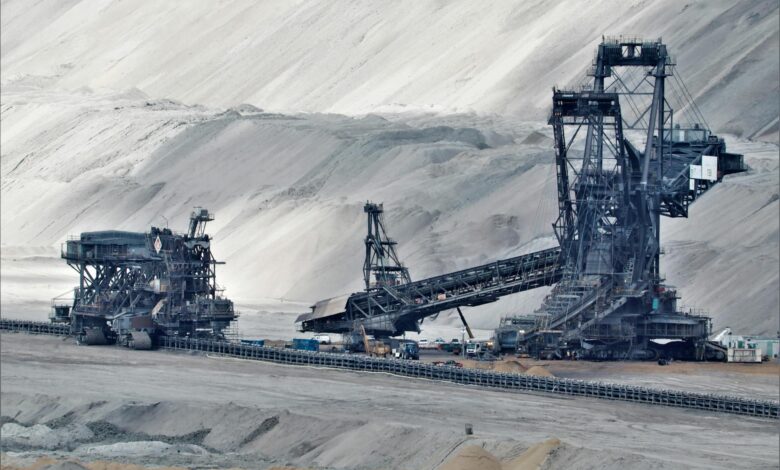
Global demand for electric vehicles has pushed lithium mining stocks into overdrive, with several companies posting double-digit gains as automakers scramble to secure battery materials. The surge reflects investors’ growing confidence that the transition from internal combustion engines has reached a tipping point, creating unprecedented opportunities in the commodity sector.
Major lithium producers have seen their market capitalizations climb steadily throughout 2024, driven by supply constraints and accelerating EV adoption worldwide. Tesla’s continued production ramp, Ford’s Lightning truck success, and GM’s expanding Ultium platform have created a ripple effect across the entire battery supply chain. China’s BYD, now the world’s largest EV manufacturer, has been particularly aggressive in securing long-term lithium contracts, further tightening global supply.
The fundamentals supporting lithium demand appear stronger than ever. Government incentives in Europe, North America, and Asia continue driving consumer adoption, while corporate fleets increasingly embrace electric alternatives to meet sustainability goals. Industry analysts project global EV sales will exceed 14 million units this year, requiring massive quantities of lithium carbonate and lithium hydroxide for battery production.
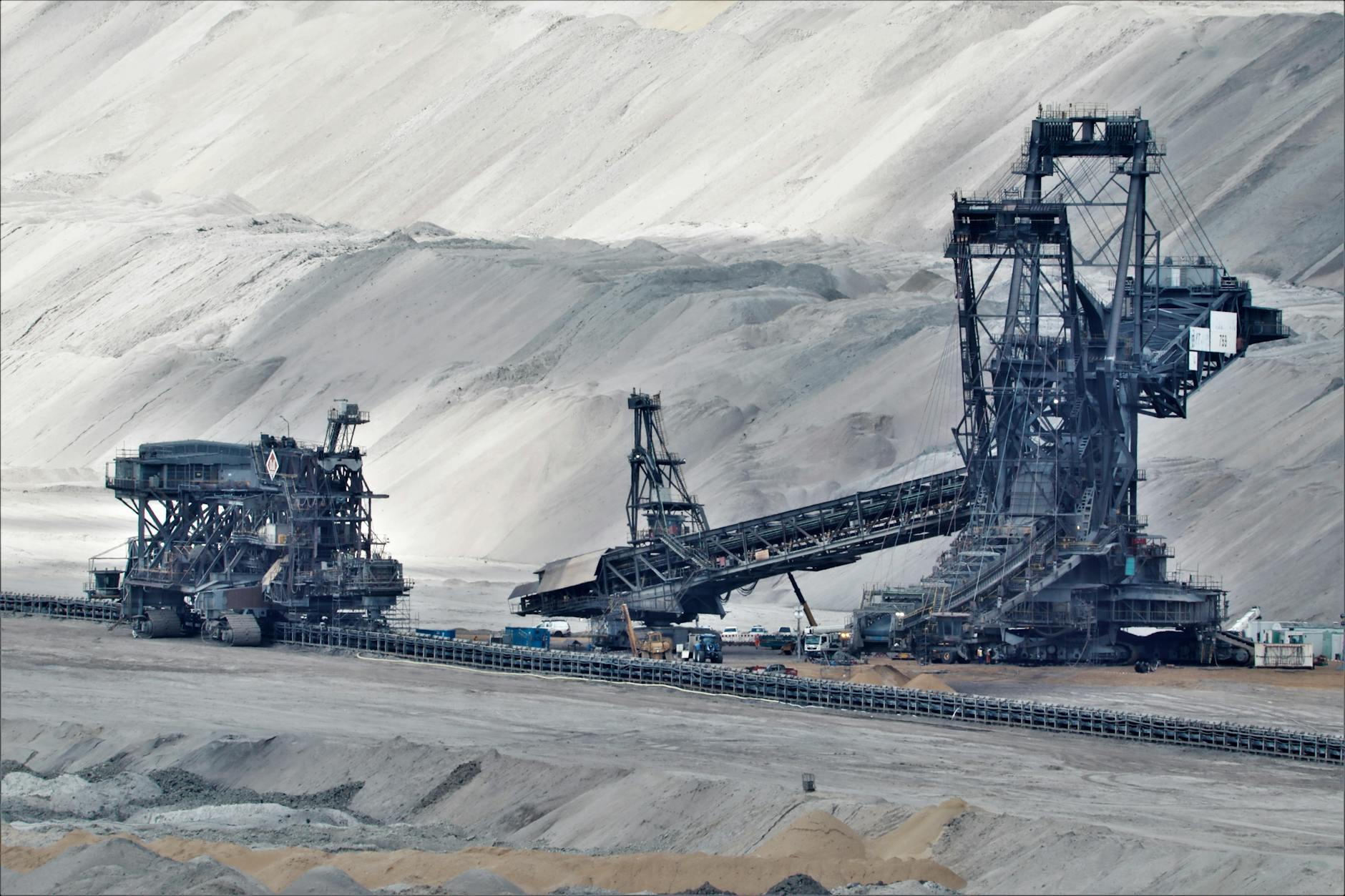
Supply Constraints Drive Investment Interest
The lithium market faces a unique supply-demand imbalance that has captured institutional investors’ attention. Unlike oil or gold, lithium extraction requires specialized processing facilities and long development timelines, creating natural barriers to rapid supply expansion. Current global production barely meets existing demand, with new mining projects taking three to five years from discovery to commercial operation.
Australia dominates hard rock lithium production through operations like Pilbara Minerals and Core Lithium, while South America’s lithium triangle – spanning Argentina, Bolivia, and Chile – controls the majority of brine-based extraction. These geographic concentrations have made lithium a strategic commodity, similar to rare earth elements, prompting governments to prioritize domestic supply chains.
Recent geopolitical tensions have accelerated this trend. The United States passed the Inflation Reduction Act with specific provisions encouraging domestic lithium production, while European Union leaders have identified battery materials as critical to economic security. Canada has emerged as a key player, with several provinces promoting lithium development as part of their economic diversification strategies.
Processing capacity presents another bottleneck. Raw lithium ore must undergo complex refinement to produce battery-grade chemicals, a process dominated by Chinese companies. Western nations are investing heavily in processing facilities to reduce dependence, but these projects require significant capital and technical expertise.
Investment Opportunities Across the Value Chain
Smart money has begun flowing into various segments of the lithium ecosystem, from exploration companies to battery recyclers. Junior miners with promising deposits have attracted venture capital, while established producers trade at premium valuations compared to traditional mining stocks. The sector’s volatility appeals to growth-oriented investors willing to accept higher risk for potentially outsized returns.
Direct investment in lithium companies offers the most exposure but requires careful due diligence. Factors like resource quality, processing capabilities, and transportation infrastructure significantly impact profitability. Companies with existing production facilities and established customer relationships command higher valuations than pure exploration plays.
Exchange-traded funds focused on battery metals have gained popularity among retail investors seeking diversified exposure. These funds typically hold portfolios of lithium producers, battery manufacturers, and technology companies, spreading risk across the entire supply chain. Some funds specifically target the lithium sector, while others incorporate broader clean energy themes.
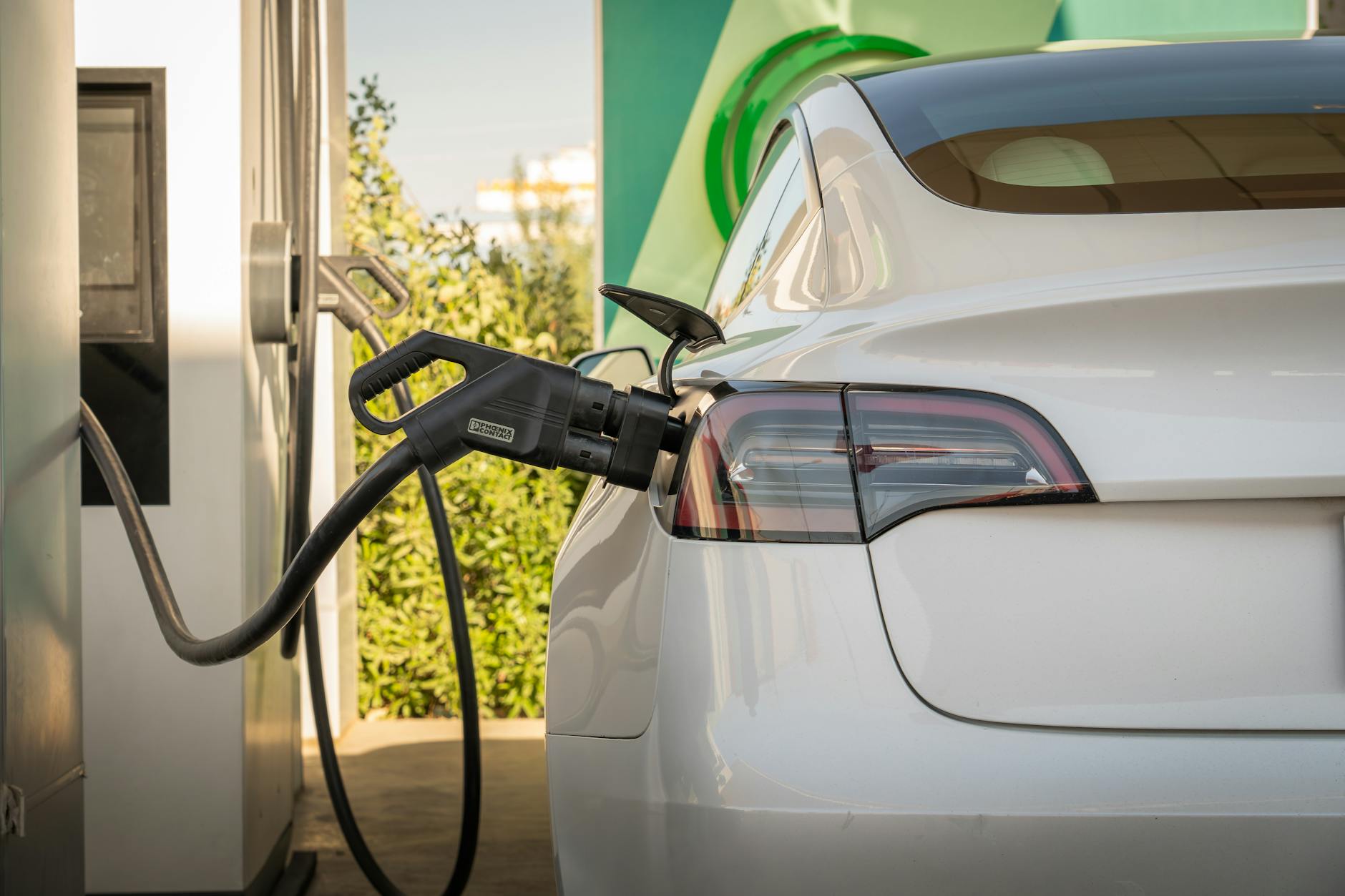
The recycling segment presents emerging opportunities as first-generation EV batteries reach end-of-life. Companies developing efficient lithium recovery processes could capture significant market share, particularly as environmental regulations tighten around battery disposal. This circular economy approach appeals to ESG-focused investors and provides a hedge against primary supply disruptions.
Market Dynamics and Price Volatility
Lithium prices have experienced extreme volatility over the past two years, reflecting the market’s immaturity and supply-demand imbalances. Spot prices for lithium carbonate peaked above historical norms in 2022 before moderating as new supply came online, but long-term contracts continue commanding premium rates. This price discovery process has created opportunities for savvy investors to capitalize on market inefficiencies.
The commodity’s unique characteristics distinguish it from traditional mining investments. Lithium demand is primarily driven by technology adoption rather than economic cycles, providing some insulation from broader market downturns. However, this same technological dependence creates risks if alternative battery chemistries gain acceptance or if EV adoption stalls unexpectedly.
Seasonal patterns also influence lithium markets, with Chinese New Year typically creating temporary supply disruptions while automaker production schedules drive demand spikes. Understanding these cyclical factors can help investors time entries and exits more effectively, though the market’s relative youth makes historical patterns less reliable predictors.
Similar to how commodity trading funds benefit from global supply chain disruptions, lithium-focused investment vehicles have capitalized on the structural imbalances between supply and demand. Professional traders use futures markets and physical storage to profit from price differentials across different geographic regions and contract terms.
Future Outlook and Strategic Considerations
The next five years will likely determine whether current lithium investments prove prescient or premature. Technological developments in battery chemistry could reduce lithium requirements per vehicle, while improved extraction techniques might increase global supply more rapidly than anticipated. Solid-state batteries, if commercialized successfully, could dramatically change lithium demand patterns.

Regulatory changes present both opportunities and risks for lithium investors. Environmental standards for mining operations continue tightening, potentially increasing costs for producers but also creating barriers for new entrants. Trade policies affecting battery materials could reshape global supply chains, benefiting some regions while disadvantaging others.
Consolidation within the lithium sector appears inevitable as the market matures. Larger mining companies with diversified operations may acquire specialized lithium producers, while battery manufacturers might integrate backward into raw material production. These structural changes could create significant value for early investors in attractive acquisition targets.
The transition to electric mobility represents one of the largest industrial transformations in modern history, comparable to the shift from coal to oil or the adoption of semiconductors. Lithium sits at the center of this transformation, making it a compelling long-term investment theme despite near-term volatility. Investors who understand the sector’s complexities and maintain appropriate risk management could benefit significantly as the clean energy transition accelerates globally.
Frequently Asked Questions
Why are lithium mining stocks surging?
Electric vehicle demand has accelerated globally while lithium supply remains constrained, creating supply-demand imbalances that benefit producers.
What drives lithium demand growth?
EV adoption by consumers and corporate fleets, supported by government incentives and automaker production expansion across major markets.