Pharmaceutical Patent Cliff Creates Opportunities for Generic Drug Investors

Billions of dollars in pharmaceutical patents are expiring, creating a massive opportunity for investors who understand the generic drug market. When blockbuster medications lose patent protection, generic manufacturers step in to capture market share at dramatically lower prices – and savvy investors are positioning themselves to profit from this predictable cycle.
The pharmaceutical patent cliff represents one of the most reliable investment opportunities in healthcare. Unlike other sectors where disruption comes from unexpected innovation, drug patent expirations follow a precise timeline. Investors can identify which medications will lose exclusivity years in advance, allowing for strategic positioning in generic drug manufacturers and related investment vehicles.

Understanding the Patent Cliff Timeline
Major pharmaceutical patents expire on a rolling basis, with some of the industry’s biggest revenue generators losing protection in the coming years. Humira, AbbVie’s arthritis treatment that generated over $20 billion in annual sales, already faces biosimilar competition in international markets and will lose U.S. patent protection soon. Similarly, cancer drugs, diabetes medications, and cardiovascular treatments worth billions in combined revenue are approaching their patent expiration dates.
Generic drug manufacturers typically launch their alternatives immediately upon patent expiration, often capturing 80-90% of the market within the first year. This dramatic shift occurs because generic versions cost 20-30% of the original brand price, making them attractive to insurance companies, healthcare systems, and patients facing high out-of-pocket costs.
The timing creates a perfect storm for generic manufacturers. They spend years preparing their formulations, conducting bioequivalence studies, and navigating FDA approval processes before the patent cliff arrives. Once patents expire, these companies can immediately begin manufacturing and distributing, often with exclusive or semi-exclusive market positions for the first six months.
Investment Vehicles Capitalizing on Generic Opportunities
Several investment approaches allow exposure to the patent cliff opportunity. Direct investment in established generic manufacturers like Teva Pharmaceutical, Sandoz, and Mylan offers the most direct exposure. These companies maintain pipelines of generic drugs awaiting patent expirations, with revenue projections tied to specific patent cliff events.
Exchange-traded funds focused on generic pharmaceuticals provide diversified exposure without the risk of betting on individual companies. The VanEck Generic Drugs ETF and similar vehicles hold portfolios of generic manufacturers, contract development organizations, and companies involved in the generic drug supply chain.
Private equity firms are also targeting this space, acquiring generic manufacturers or funding new companies focused on specific therapeutic areas. These investments often target niche generics where fewer competitors exist, allowing for higher margins than commodity generics face.
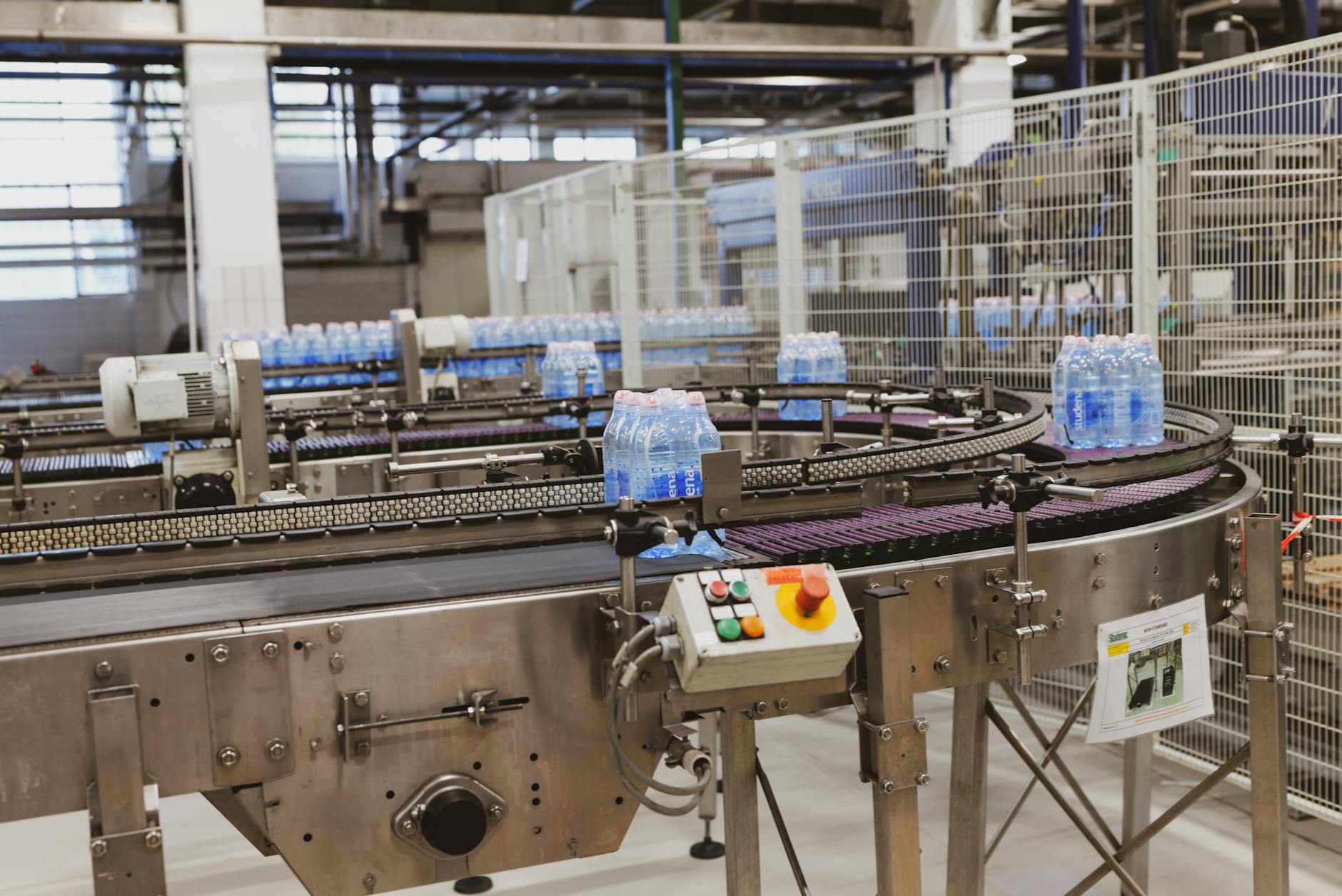
Real estate investment trusts with pharmaceutical manufacturing facilities represent another angle. As generic production increases, demand for specialized manufacturing space grows. Companies need facilities certified for pharmaceutical production, with clean rooms, specialized ventilation, and regulatory compliance infrastructure.
Supply Chain and Manufacturing Advantages
The generic drug opportunity extends beyond simply copying expired formulations. Manufacturing capacity, supply chain relationships, and regulatory expertise create competitive advantages that translate into investment returns. Companies with established relationships with major pharmacy chains, hospital systems, and government healthcare programs can quickly capture market share when patents expire.
International manufacturing capabilities provide additional advantages. Many generic manufacturers operate facilities in India, China, and other countries with lower production costs. These companies can offer competitive pricing while maintaining profit margins, especially important as healthcare systems worldwide pressure drug costs lower.
Distribution networks matter significantly in the generic space. Companies with established relationships with wholesalers like McKesson, Cardinal Health, and AmerisourceBergen can ensure their generic drugs reach pharmacies quickly. This speed to market often determines which generic manufacturer captures the largest market share during the critical first months after patent expiration.
Similar to how commodity trading funds benefit from global supply chain disruptions, generic drug investments profit from understanding complex logistics and timing. The ability to manufacture, distribute, and market generic drugs immediately upon patent expiration requires significant operational capabilities that established players have spent years developing.
Regulatory Environment and Market Dynamics
FDA policies strongly favor generic drug adoption. The agency has streamlined approval processes for generic medications and actively works to increase competition in markets dominated by single generic manufacturers. This regulatory support creates a favorable environment for new generic entrants and helps maintain competitive pricing.
Pharmacy benefit managers and insurance companies drive generic adoption through formulary decisions and patient cost-sharing structures. Generic drugs typically appear on preferred formularies with lower copayments, while brand medications face higher patient costs or prior authorization requirements. This systematic preference for generics ensures rapid market adoption upon patent expiration.

Healthcare cost pressures from government programs like Medicare and Medicaid further support generic adoption. These programs often mandate generic substitution when available and reimburse generics at higher rates relative to their acquisition costs. Private insurance follows similar patterns, creating consistent demand for generic alternatives.
The biosimilar market adds complexity but also opportunity. Biological drugs require more sophisticated generic alternatives called biosimilars, which offer higher barriers to entry but also higher potential returns. Companies developing biosimilar capabilities position themselves for the next wave of patent expirations affecting expensive biological treatments.
Future Outlook and Investment Considerations
The pharmaceutical patent cliff continues for years ahead, with major drug patents expiring annually. Investors who understand this cycle can position themselves ahead of specific patent expirations, much like how infrastructure investment opportunities target predictable replacement cycles in critical systems.
Generic drug investing requires understanding of regulatory timelines, manufacturing capabilities, and market dynamics specific to pharmaceuticals. Unlike broader healthcare investing, the patent cliff offers relatively predictable timing and market size estimates. However, competition among generic manufacturers can compress margins quickly, making execution and operational efficiency critical factors.
The most successful investors in this space combine patent cliff timing with operational analysis of generic manufacturers. Companies with strong manufacturing capabilities, broad product pipelines, and established distribution relationships typically capture larger market shares when patents expire. As healthcare systems worldwide continue pressuring drug costs lower, the generic drug market represents a long-term growth opportunity tied to one of healthcare’s most predictable cycles.
Frequently Asked Questions
What is the pharmaceutical patent cliff?
The patent cliff refers to the expiration of patents on major pharmaceutical drugs, allowing generic manufacturers to produce cheaper alternatives and capture market share.
How do investors profit from patent expirations?
Investors can buy shares in generic drug manufacturers, specialized ETFs, or related companies that benefit when expensive brand drugs lose patent protection.