
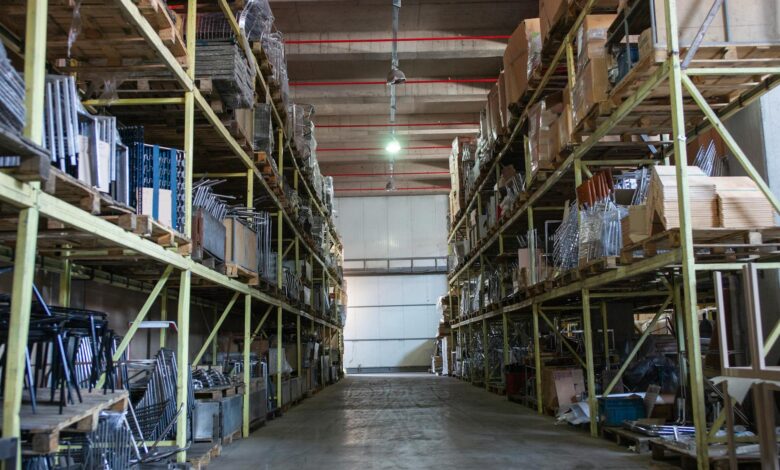
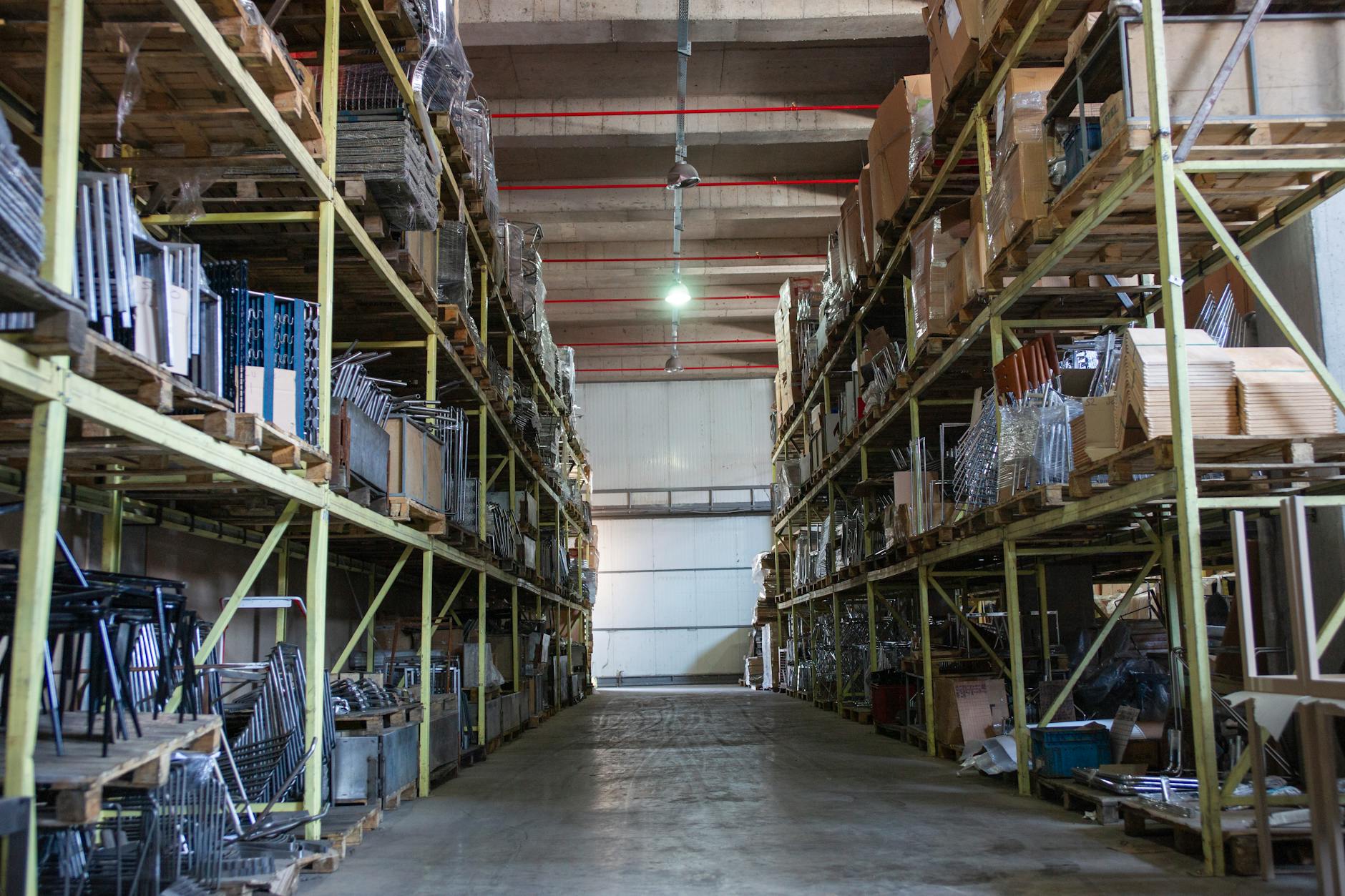
Climate-controlled warehouses in Geneva store more than just wine these days. Inside temperature-regulated vaults that once housed precious metals and documents, family offices are now parking Picassos, Pollocks, and contemporary sculptures as their latest alternative investment strategy.
The ultra-wealthy are transforming private art storage from a simple preservation service into a sophisticated asset class, complete with fractional ownership structures, insurance-backed lending, and tax optimization strategies that rival traditional investment vehicles.
The Storage-as-Investment Revolution
Family offices managing assets for billionaire families are discovering that art storage facilities offer more than climate control and security. These facilities are becoming investment platforms in their own right, allowing wealthy families to leverage their collections while maintaining ownership.
Freeports in Switzerland, Singapore, and Delaware have evolved into art banking centers where families can store, trade, and collateralize their collections without triggering tax events. The Singapore Freeport, opened in 2010, now houses an estimated $12 billion worth of art, wine, and collectibles in its 560,000 square feet of warehouse space.
“We’re seeing family offices treat storage facilities like real estate investment trusts,” explains Marcus Chen, a wealth advisor who works with several hundred-million-dollar family offices. “They’re not just storing art – they’re creating liquidity from illiquid assets.”
The mechanics are sophisticated. Families deposit artworks into specialized facilities that issue storage receipts functioning like warehouse receipts for commodities. These receipts can be used as collateral for loans, traded among family members for estate planning purposes, or pledged as security for other investments.
Tax Advantages Drive Institutional Adoption
The tax benefits of strategic art storage rival those found in physical gold storage strategies that family offices have embraced. Artworks stored in freeports can be bought, sold, and traded without incurring local taxes, creating significant advantages for international collectors.
Delaware’s freeport, located in a former DuPont facility, has become particularly attractive to American families. Artworks can be stored indefinitely without triggering state sales taxes, and the facility offers specialized services including restoration, photography for insurance purposes, and viewing rooms for potential buyers.
European families are leveraging Switzerland’s favorable art storage laws, which allow indefinite storage without import duties. The Geneva Freeport, established in 1888, has expanded its art storage capacity by 400% since 2015 to meet demand from family offices seeking tax-efficient art management.
Insurance companies have responded by creating specialized products for stored art collections. Policies now cover not just theft and damage, but also depreciation and authentication disputes, making stored art more attractive as loan collateral.
Fractional Ownership and Art Banking Services
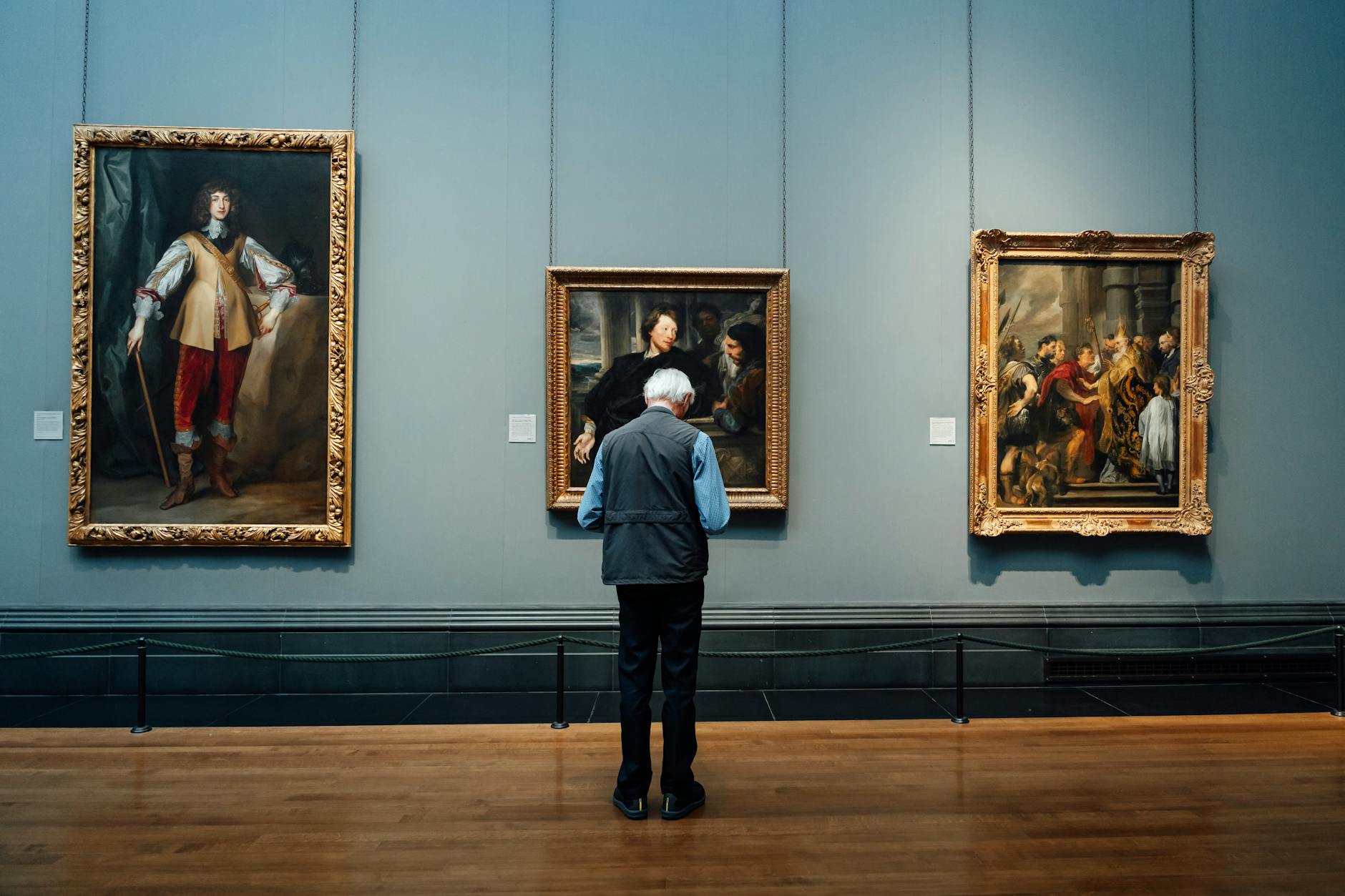
Progressive storage facilities are introducing fractional ownership models that allow family offices to diversify their art exposure without full ownership commitments. These structures mirror private equity and real estate investment approaches that wealthy families already understand.
Mastry, a platform operating out of high-security storage facilities, enables families to purchase shares in blue-chip artworks while benefiting from professional storage, conservation, and exhibition services. The model appeals to family offices seeking art exposure without the operational complexities of direct ownership.
Art lending has emerged as another revenue stream from stored collections. Families can lend pieces to museums and galleries directly from storage facilities, earning income while maintaining ownership and tax advantages. The Museum of Fine Arts in Boston recently borrowed directly from private storage facilities for its contemporary art exhibitions.
Storage facilities are also offering authentication and provenance verification services, addressing one of the art market’s persistent challenges. Advanced imaging technology and blockchain-based provenance tracking are becoming standard features at high-end facilities, increasing the value and liquidity of stored works.
Technology Integration and Future Market Evolution
Digital innovation is transforming how family offices interact with their stored art collections. Virtual reality viewing rooms allow families to experience their collections remotely, while AI-powered valuation tools provide real-time market assessments for insurance and lending purposes.
Blockchain technology is being integrated into storage operations, creating immutable records of ownership, condition, and transaction history. This technological infrastructure addresses long-standing concerns about art market transparency and makes stored art more attractive to institutional investors.
The convergence of art, technology, and financial services is creating new opportunities for family office portfolios. As traditional investment yields remain compressed and wealth managers explore alternative strategies, art storage facilities are positioning themselves as essential infrastructure for the evolving art market.
Industry projections suggest the global art storage market will expand significantly as more family offices recognize the financial benefits of strategic art storage. The combination of tax advantages, lending capabilities, and fractional ownership opportunities is transforming what was once a simple service into a cornerstone of sophisticated wealth management strategies.
The evolution from storage to asset class represents a fundamental shift in how ultra-high net worth families approach art collecting, moving beyond passion purchases toward strategic investments that generate returns while preserving cultural treasures for future generations.
Frequently Asked Questions
How do art storage facilities function as investments for wealthy families?
Storage facilities offer tax advantages, allow art to be used as loan collateral, and enable fractional ownership structures that generate returns.
What are the main benefits of storing art in freeports?
Freeports allow indefinite storage without import duties or local taxes, while providing secure climate-controlled environments and specialized services.