
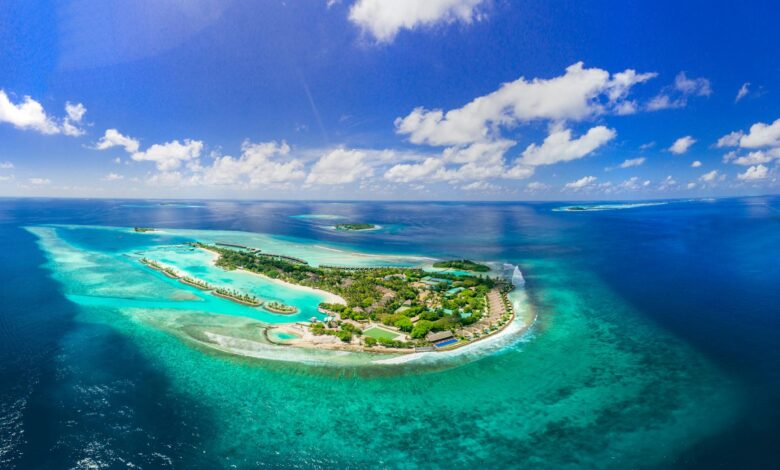
Private island sales have reached unprecedented levels, with global transactions jumping 35% over the past two years as the world’s wealthiest individuals seek ultimate privacy and security. From Caribbean archipelagos to Pacific atolls, these exclusive retreats now command prices exceeding $100 million, marking a dramatic shift in luxury real estate priorities.
The surge reflects growing concerns about privacy, security, and lifestyle control among ultra-high-net-worth individuals. Unlike traditional luxury properties, private islands offer complete autonomy over access, infrastructure, and daily operations – appealing to tech moguls, entertainment executives, and financial titans who value discretion above all else.
Market Dynamics Drive Premium Pricing
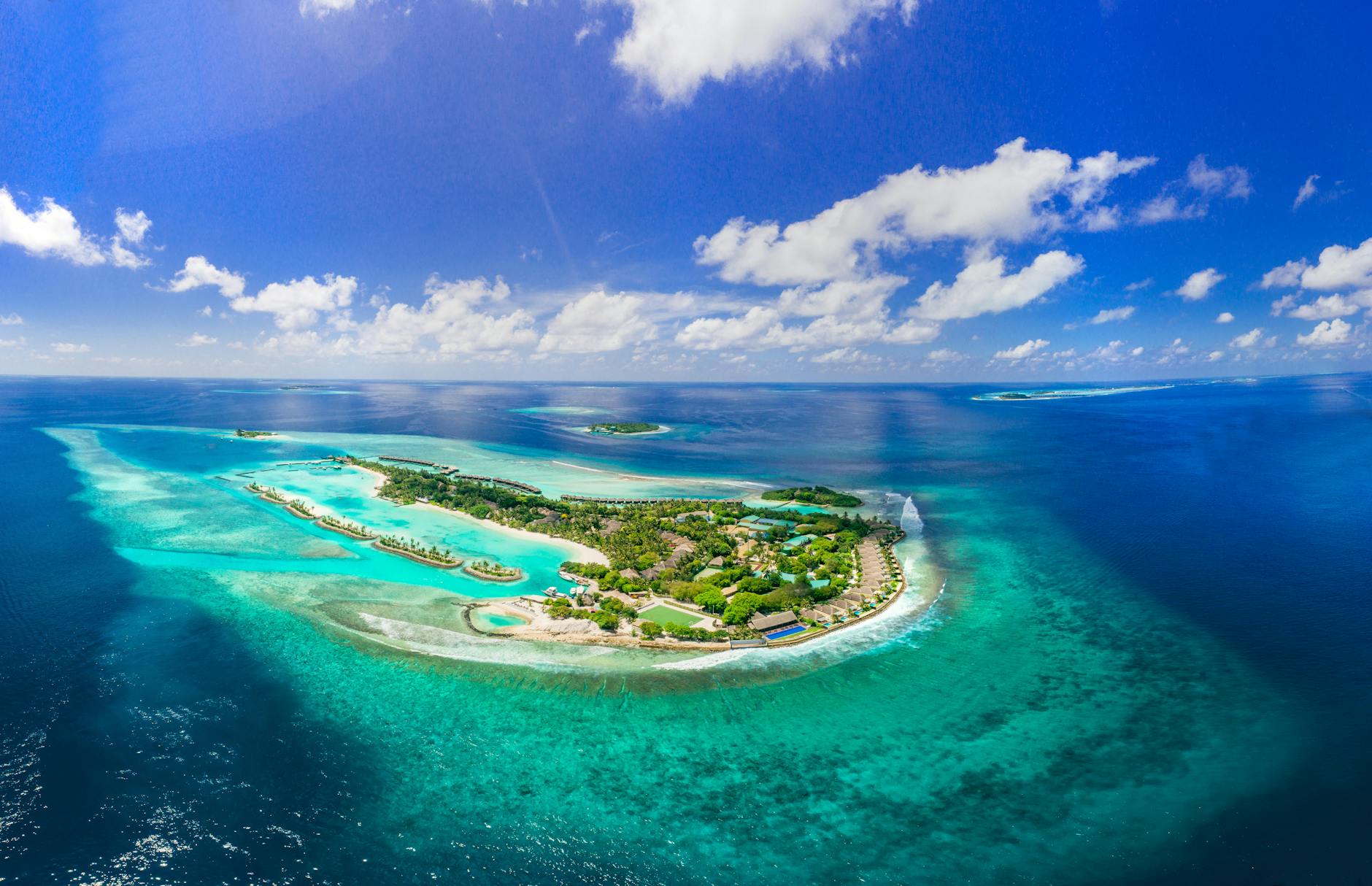
The private island market has transformed from a niche curiosity into a serious asset class. Caribbean properties lead sales volume, with islands near the Bahamas, British Virgin Islands, and Turks and Caicos seeing the most activity. Pacific destinations, particularly those near Fiji and French Polynesia, command the highest per-acre prices due to their remote locations and pristine environments.
Recent transactions indicate buyers are willing to pay substantial premiums for developed properties with existing infrastructure. Islands featuring private airstrips, deep-water ports, and luxury accommodations consistently outsell undeveloped land by margins of 300% or more. This trend suggests purchasers prioritize immediate usability over long-term development projects.
International buyers dominate the market, with North American and European purchasers accounting for 78% of transactions. However, Asian buyers have emerged as significant players, particularly for Pacific properties, driving competition and inflating prices across all regions.
The financing mechanisms for these purchases have also evolved. Traditional mortgage products rarely apply to private island acquisitions, leading to increased cash transactions and alternative financing structures. Many buyers leverage existing real estate portfolios or business assets as collateral for specialized lending arrangements.
Privacy Concerns Fuel Demand
Privacy considerations have become the primary driver behind private island purchases, surpassing traditional luxury motivations like status or recreation. High-profile individuals increasingly view these properties as necessary shields against media scrutiny, legal complications, and personal security threats.
The COVID-19 pandemic accelerated this trend, as travel restrictions and health concerns highlighted the vulnerabilities of traditional luxury destinations. Private islands offered complete control over guest access, medical facilities, and supply chains – advantages that resonated strongly with security-conscious buyers.
Technology executives represent a particularly active buyer segment, drawn to islands that can accommodate extensive telecommunications infrastructure while maintaining isolation from populated areas. These purchases often include significant investments in satellite communication systems, submarine cable connections, and renewable energy installations.
Celebrity buyers have also contributed to market growth, though their motivations vary widely. Some seek creative retreats for film production or music recording, while others prioritize family security and children’s privacy. The ability to control photography, guest access, and media coverage makes private islands increasingly attractive to public figures.
The trend parallels broader luxury real estate movements, including underground bunker construction in Montana, suggesting wealthy individuals are prioritizing security and privacy across multiple property types.
Infrastructure Development Transforms Remote Properties
Modern private island ownership requires sophisticated infrastructure that rivals urban developments. Buyers increasingly demand renewable energy systems, desalination plants, waste management facilities, and high-speed internet connectivity as standard amenities rather than luxury additions.
Solar and wind power installations have become nearly universal among recent purchases, driven by both environmental concerns and practical necessity. Remote locations make traditional power grid connections impossible, while fuel deliveries for generators create logistical complications and ongoing costs.
Water management represents another critical infrastructure component. Advanced desalination systems, rainwater collection networks, and groundwater monitoring equipment ensure sustainable freshwater supplies for year-round occupation. These systems often cost several million dollars but provide essential autonomy from external suppliers.
Transportation infrastructure varies significantly based on island size and location. Larger properties can accommodate private airstrips for jets and helicopters, while smaller islands rely on helicopter pads or seaplane facilities. Deep-water harbors for yachts and supply vessels require substantial dredging and construction investments but provide crucial access flexibility.
Communication systems have evolved far beyond basic satellite phones. Modern installations include redundant internet connections, private cellular networks, and encrypted communication systems. Some buyers invest in submarine cable connections to mainland networks, ensuring reliable high-speed connectivity for business operations.
Investment Performance and Future Outlook
Private islands have demonstrated strong appreciation rates, with prime properties increasing in value by an average of 12% annually over the past decade. This performance exceeds most traditional real estate categories and rivals some equity investments, though liquidity remains limited compared to conventional assets.
The investment appeal extends beyond price appreciation to include unique lifestyle benefits and inflation hedging characteristics. Islands with productive capabilities – such as agriculture, aquaculture, or renewable energy generation – offer additional income streams while providing natural resources security.
Market analysts predict continued growth driven by wealth concentration trends and evolving privacy concerns. The number of ultra-high-net-worth individuals continues expanding globally, while suitable island properties remain strictly limited by geography and environmental regulations.
Regulatory changes could significantly impact future market dynamics. Several Caribbean nations have modified foreign ownership laws, while Pacific jurisdictions debate environmental protection measures that might restrict development. These policy shifts create both opportunities and risks for prospective buyers.
Climate change considerations increasingly influence purchase decisions and valuations. Islands with higher elevations and robust coral reef protection command premium prices, while low-lying properties face potential devaluation from sea level rise concerns. Buyers now routinely commission environmental impact studies and long-term climate projections before completing transactions.
The integration of private islands with broader wealth management strategies reflects sophisticated financial planning among ultra-wealthy families. These properties often serve multiple purposes within family office structures, providing lifestyle benefits while functioning as alternative investments and family heritage assets.
As digital privacy becomes increasingly difficult to maintain and security threats evolve, private islands offer unique advantages that traditional luxury properties cannot match. The combination of complete access control, infrastructure autonomy, and natural barriers creates unprecedented privacy levels for individuals who value discretion above conventional luxury amenities.
Frequently Asked Questions
Why are private island sales increasing so dramatically?
Ultra-wealthy buyers prioritize privacy, security, and autonomy, especially after COVID-19 highlighted vulnerabilities of traditional luxury destinations.
What drives private island pricing and valuations?
Location, existing infrastructure, and development potential determine prices, with developed islands commanding 300% premiums over undeveloped land.