
Private Wealth Managers Pivot to Climate Investment Strategies for Billionaire Clients

Billionaire portfolios are going green faster than ever before, with private wealth managers scrambling to meet unprecedented demand for climate-focused investment opportunities. The shift represents a fundamental change in how ultra-high-net-worth individuals view both profit potential and legacy building in an era of accelerating environmental concerns.
The transformation has caught many traditional wealth management firms off guard. Goldman Sachs Private Wealth Management reports that climate-themed investment requests from billionaire clients have surged by 340% since 2022. Morgan Stanley’s private banking division has hired 50 new specialists focused exclusively on sustainable investing strategies for their wealthiest clients.
The New Green Gold Rush
Private wealth managers are restructuring their entire approach to serve clients who increasingly view climate investments as both morally imperative and financially lucrative. UBS Global Wealth Management has launched dedicated climate investment teams in New York, London, and Singapore, while Credit Suisse’s successor entity has allocated over half its new product development resources to environmental investment vehicles.
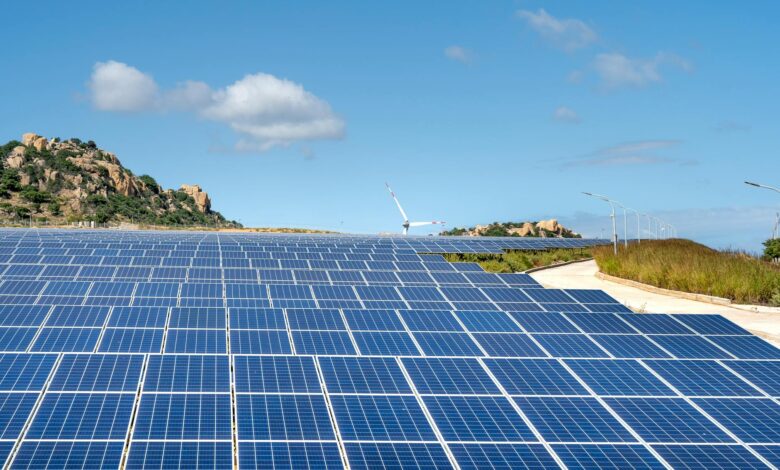
The numbers tell a compelling story. Renewable energy infrastructure investments alone have attracted more than $200 billion from ultra-wealthy individuals in the past 18 months. Solar farm ownership, wind energy partnerships, and battery storage facilities have become the new trophy assets for billionaires previously focused on traditional real estate or art collections.
Technology titans like those profiled in our coverage of private family offices expanding into direct venture capital are leading the charge. These investors bring both capital and operational expertise to climate-focused startups developing everything from carbon capture technology to sustainable agriculture solutions.
Private wealth managers report that their billionaire clients are no longer satisfied with simply avoiding “sin stocks” like tobacco or weapons manufacturers. They want active exposure to companies and projects that demonstrably reduce carbon emissions, improve energy efficiency, or develop breakthrough clean technologies.
Beyond Traditional ESG Screening
The evolution extends far beyond conventional environmental, social, and governance (ESG) screening methods that have dominated sustainable investing for the past decade. Today’s ultra-wealthy climate investors demand direct ownership stakes in transformative technologies and infrastructure projects.
JPMorgan’s private bank has created specialized investment vehicles allowing billionaire clients to co-invest alongside sovereign wealth funds in massive renewable energy projects across emerging markets. These deals often require minimum investments of $50 million per client, reflecting both the scale of climate infrastructure needs and the concentrated wealth of participants.

Water scarcity investments have emerged as a particularly hot sector. Billionaire clients are purchasing stakes in desalination plants, advanced irrigation systems, and water recycling facilities across drought-prone regions. The approach combines clear environmental benefits with strong return potential as water becomes an increasingly scarce commodity.
Clean transportation infrastructure represents another major focus area. Private wealth managers are structuring deals that allow their billionaire clients to own portions of electric vehicle charging networks, hydrogen fuel stations, and electric aviation development projects. These investments offer exposure to rapidly growing markets while supporting the transition away from fossil fuels.
The sophistication level has increased dramatically. Wealth managers now employ teams of environmental scientists, policy experts, and technology analysts to evaluate potential climate investments. Due diligence processes that once focused primarily on financial metrics now include detailed carbon impact assessments and climate risk modeling.
Family Office Integration and Direct Investing
Many billionaire families are bypassing traditional wealth management structures entirely, establishing dedicated climate investment teams within their family offices. This approach allows for faster decision-making and more customized investment strategies aligned with specific environmental priorities.
The Bezos Earth Fund model has influenced dozens of other ultra-wealthy families to create similar climate-focused investment vehicles. These structures combine philanthropic giving with for-profit investing, creating hybrid approaches that maximize both environmental impact and financial returns.
Direct investing has become particularly popular among tech billionaires who bring operational expertise to climate companies. Rather than simply providing capital, these investors often take board seats and actively participate in strategic planning for renewable energy projects and clean technology startups.
Private wealth managers have adapted by creating co-investment platforms that allow multiple billionaire families to pool resources for larger climate infrastructure projects. A single offshore wind farm development might involve five or six ultra-wealthy families, each contributing $100 million or more to the total project cost.
The geographic scope has expanded globally. American billionaires are investing heavily in European renewable energy projects, while Asian ultra-wealthy families are funding large-scale reforestation efforts in South America and Africa. Private wealth managers have established specialized teams to navigate the complex regulatory and political landscapes involved in cross-border climate investing.
Technology and Innovation Focus
Artificial intelligence and data analytics have become central tools for climate investing among billionaire clients. Private wealth managers now use sophisticated modeling systems to predict the long-term performance of renewable energy assets under various climate scenarios.
Venture capital exposure within climate investing has skyrocketed. Billionaire clients are allocating portions of their portfolios to early-stage companies developing breakthrough technologies in areas like advanced battery storage, carbon capture, and synthetic biology for sustainable manufacturing.

The investment approach has become increasingly sophisticated, with private wealth managers creating custom benchmarks that measure both financial performance and environmental impact. Clients receive quarterly reports detailing not just returns but also metrics like tons of carbon dioxide avoided or renewable energy capacity added to electrical grids.
Space-based solar power, ocean thermal energy conversion, and other emerging technologies have attracted significant attention from billionaire investors willing to take long-term bets on transformative climate solutions. Private wealth managers facilitate access to these opportunities through specialized technology venture funds and direct company investments.
The trend shows no signs of slowing. Climate investment allocations among billionaire portfolios are expected to double again over the next three years as both regulatory pressures and investment opportunities continue expanding. Private wealth managers are positioning themselves for a fundamental shift where climate considerations become central to all investment decisions for ultra-wealthy clients.
The evolution represents more than a temporary trend – it signals a permanent transformation in how the world’s wealthiest individuals view their role in addressing global environmental challenges while building generational wealth.
Frequently Asked Questions
Why are billionaires suddenly interested in climate investments?
Billionaires see both moral imperative and strong profit potential in climate solutions, with renewable energy and clean tech showing exceptional growth prospects.
How much are wealthy individuals investing in climate projects?
Ultra-wealthy individuals have invested over $200 billion in renewable energy infrastructure alone in the past 18 months, with allocations expected to double.