


Traditional shopping malls and office buildings are losing their luster as investment vehicles. Real Estate Investment Trusts are rapidly shifting billions in capital toward data centers, betting that America’s digital infrastructure boom will deliver the steady returns that brick-and-mortar properties once promised.
The transformation reflects a fundamental shift in how Americans work, shop, and consume entertainment. While retail REITs struggle with vacancy rates and office properties face uncertain demand from remote work trends, data center REITs are posting double-digit growth as cloud computing, artificial intelligence, and streaming services devour unprecedented amounts of server space.
Digital Realty Trust, one of the largest data center REITs, has expanded its portfolio to over 290 facilities across six continents. The company’s properties house the servers that power Netflix streaming, Amazon Web Services, and Microsoft Azure operations. Similar growth patterns are emerging across the sector as traditional REITs pivot their acquisition strategies.

The Infrastructure Behind the Cloud
Data centers represent the physical backbone of the digital economy. These massive facilities consume enormous amounts of electricity to power servers, storage systems, and cooling equipment that keep internet services running around the clock. Unlike traditional real estate that generates income through rent payments, data centers command premium rates because tenants require specialized infrastructure including redundant power systems, advanced cooling, and ultra-reliable internet connections.
Equinix operates over 240 data centers worldwide and has become a favorite among institutional investors seeking exposure to digital infrastructure growth. The company’s facilities serve as neutral meeting points where internet service providers, cloud platforms, and enterprise customers interconnect their networks. This positioning creates a moat effect – once established, these interconnection hubs become increasingly valuable as more companies need access to the same ecosystem.
American Tower Corporation has leveraged its cell tower expertise to expand into data centers, recognizing the convergence between wireless networks and cloud computing. The company’s edge data centers support 5G networks and bring computing power closer to end users, reducing latency for applications like autonomous vehicles and augmented reality.
The tenant base for data center REITs includes some of the world’s most financially stable companies. Amazon, Microsoft, Google, and Facebook collectively lease millions of square feet of data center space under long-term contracts. These hyperscale cloud providers require massive amounts of server capacity to support their growing user bases and expanding service offerings.
Traditional REIT Struggles Drive Sector Rotation
The pivot to data centers comes as traditional REIT sectors face mounting challenges. Retail REITs continue grappling with store closures and declining foot traffic as e-commerce captures larger market share. Simon Property Group, the largest mall REIT, has diversified into mixed-use developments and experiential retail to combat these headwinds.
Office REITs confront uncertainty around remote work adoption and corporate space requirements. Boston Properties and other premier office REITs have seen occupancy rates fluctuate as companies reassess their real estate footprints. Some organizations are downsizing office space permanently, while others are redesigning layouts to accommodate hybrid work models.
Apartment REITs face their own pressures from rent control policies in major markets and increased construction costs. While residential demand remains strong in many areas, regulatory changes and supply chain disruptions have complicated new development projects.

The contrast with data center performance is stark. Digital Realty Trust reported funds from operations growth of over 8% in recent quarters, while many traditional REITs struggled to maintain positive growth rates. CyrusOne, before its acquisition by KKR, consistently delivered returns that outpaced broader REIT indices.
Investment managers are taking notice of these performance differentials. Blackstone has allocated significant capital to data center acquisitions, including the purchase of QTS Realty Trust. Similarly, Brookfield Asset Management has increased its data center exposure through strategic investments and development projects.
Power and Cooling Drive Location Decisions
Data center REITs must navigate complex infrastructure requirements that don’t apply to traditional real estate investments. Power availability often determines site selection more than proximity to population centers. Northern Virginia’s Loudoun County has emerged as a global data center hub partly because of reliable electricity supply from Dominion Energy and favorable utility rates.
Cooling systems represent another critical factor. Data centers generate enormous heat loads that require sophisticated climate control systems. Some facilities use advanced cooling technologies including liquid immersion systems and outside air economizers to reduce energy consumption. These infrastructure requirements create barriers to entry that benefit established operators.
Water usage has become an increasing concern as data centers scale up operations. Traditional cooling systems consume significant amounts of water, leading some localities to restrict new data center development. Microsoft and other major tenants are pushing for more sustainable cooling solutions, creating opportunities for REITs that invest in advanced technologies.
Similar infrastructure considerations are driving innovation in other specialized REIT sectors. Electric vehicle charging station REITs are emerging as an infrastructure play, capitalizing on the transition to sustainable transportation.
International Expansion and Edge Computing Growth
Data center REITs are expanding globally to serve multinational clients and capture growth in emerging markets. Digital Realty has significant operations in Europe and Asia, while Equinix maintains facilities in over 60 markets worldwide. International expansion provides geographic diversification and exposure to regions with different economic cycles.
Edge computing represents the next frontier for data center growth. These smaller facilities bring computing power closer to end users, reducing latency for time-sensitive applications. CoreSite Realty operates edge data centers in major metropolitan areas, positioning itself for growth in autonomous vehicles, industrial automation, and virtual reality applications.
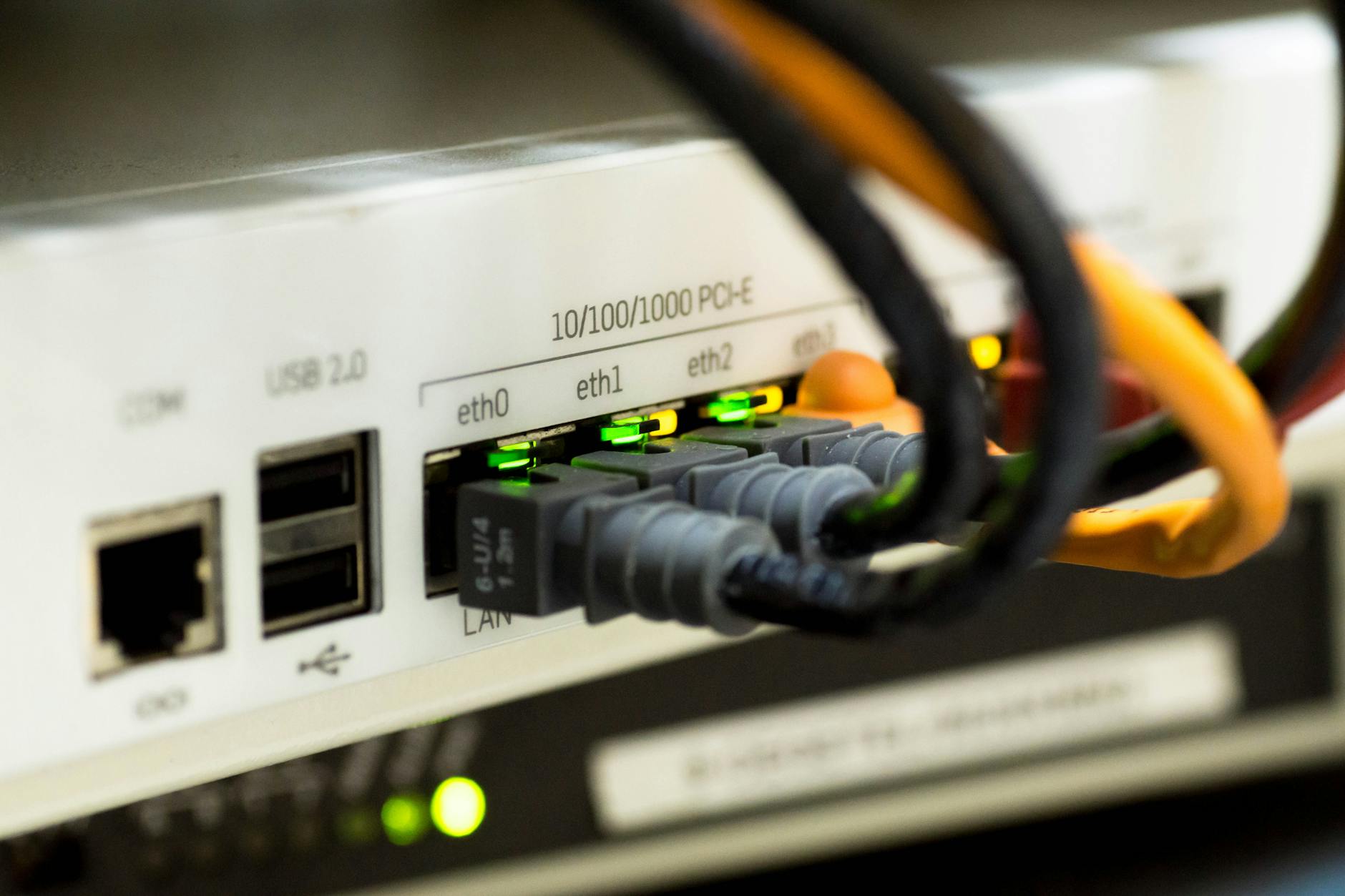
The convergence of multiple technology trends is driving sustained demand for data center capacity. Artificial intelligence workloads require specialized computing infrastructure that traditional data centers may not support. Machine learning applications consume enormous amounts of processing power and generate significant heat, requiring purpose-built facilities.
Cryptocurrency mining has created another demand source, though this market segment remains volatile. Some data center operators have developed specialized facilities for blockchain applications, while others avoid this market due to regulatory uncertainty and energy consumption concerns.
Looking ahead, data center REITs appear positioned for continued growth as digital transformation accelerates across industries. The shift toward cloud computing shows no signs of slowing, while emerging technologies like autonomous vehicles and smart cities will require additional data processing capacity. For investors seeking exposure to America’s digital infrastructure buildout, data center REITs offer a way to participate in this transformation through traditional real estate investment vehicles.
The sector’s fundamentals remain strong with long-term lease agreements, creditworthy tenants, and growing demand for digital services. While traditional REITs adapt to changing consumer behavior and work patterns, data center operators benefit from secular trends that appear likely to continue for years to come.
Frequently Asked Questions
What are data center REITs?
REITs that own and operate facilities housing servers, storage systems, and networking equipment for cloud computing and internet services.
Why are REITs moving away from traditional properties?
Retail and office REITs face challenges from e-commerce growth and remote work trends, while data centers show strong growth and stable returns.