

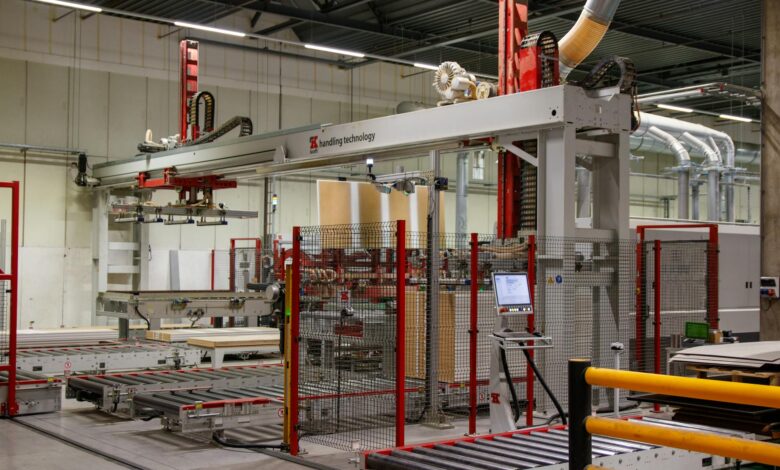
Small-cap manufacturing stocks are quietly becoming the biggest winners from America’s renewed focus on domestic production. While investors chase tech giants and mega-cap names, companies with market capitalizations under $2 billion are delivering outsized returns as reshoring initiatives and trade policy changes reshape industrial America.
The Russell 2000’s manufacturing sector has outperformed the broader small-cap index by 18% over the past year, driven by federal incentives, supply chain diversification, and growing corporate demand for domestic suppliers. This shift represents more than a temporary trade war response – it’s a structural change that’s creating lasting competitive advantages for nimble American manufacturers.
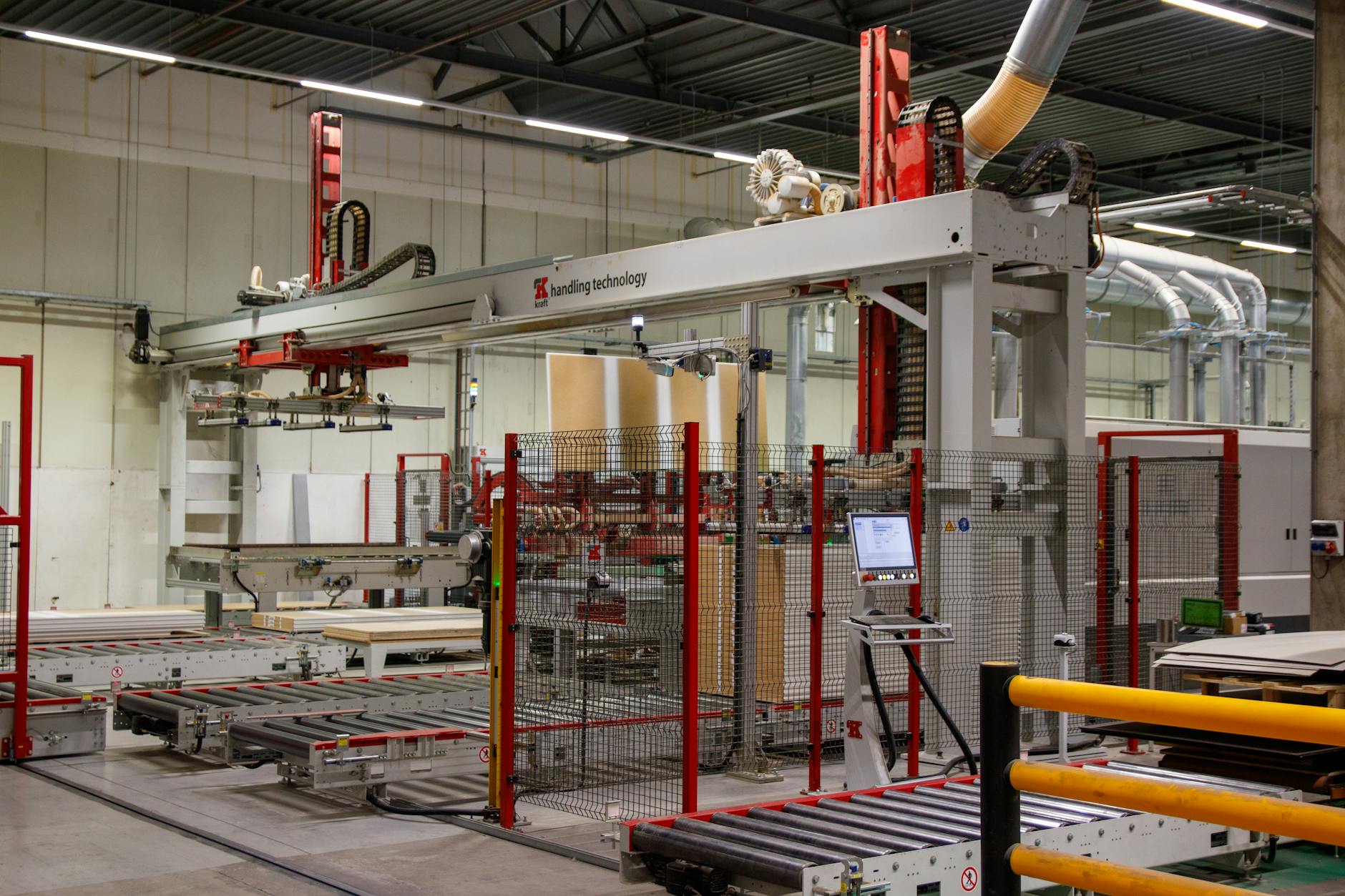
Policy Tailwinds Drive Manufacturing Renaissance
The CHIPS and Science Act, Infrastructure Investment and Jobs Act, and Inflation Reduction Act have pumped hundreds of billions into domestic manufacturing incentives. Small-cap companies are proving more agile than their larger competitors in capitalizing on these opportunities.
Take Advanced Drainage Systems, a $7.8 billion manufacturer of water management solutions. The company’s Ohio and Kentucky facilities have secured major infrastructure contracts as municipalities prioritize American-made pipes and drainage systems. Similarly, commercial printing equipment maker Xerox Holdings has seen renewed demand from government contractors required to source domestically under Buy American provisions.
The semiconductor manufacturing boom extends beyond chip makers to equipment suppliers and specialty materials companies. Small-cap firms like Kulicke and Soffa Industries, which makes semiconductor assembly equipment, have doubled their backlog as Intel, Taiwan Semiconductor, and Samsung build American fabs.
“We’re seeing procurement officers actively seeking domestic alternatives,” says portfolio manager Sarah Chen at Royce Investment Partners, which specializes in small-cap manufacturing. “Companies that were afterthoughts five years ago are now preferred suppliers.”
Supply Chain Reshoring Creates New Market Leaders
Corporate America’s rush to reduce China dependence is creating winners in unexpected places. Small manufacturers with specialized capabilities are finding themselves courted by Fortune 500 companies desperate to diversify their supplier base.
Precision castings maker Carpenter Technology has benefited from aerospace and defense contractors bringing production home. The company’s Pennsylvania facilities now supply critical components for military aircraft previously sourced overseas. Revenue from domestic aerospace customers has grown 34% year-over-year.
Textile manufacturers are experiencing similar dynamics. Companies like Unifi, which produces recycled polyester yarn, have secured major contracts with apparel brands reshoring production. Nike, Adidas, and Patagonia are among the companies working with American textile suppliers to reduce Asian supply chain risks.
The trend extends to basic materials. Steel service centers like Olympic Steel and Worthington Industries have seen margins expand as customers pay premiums for domestic sourcing certainty. These companies benefit from shorter lead times and reduced shipping costs compared to international competitors.
Regional manufacturing clusters are emerging around specific industries. North Carolina has become a hub for pharmaceutical manufacturing as companies diversify away from India and China. Small-cap contract manufacturers like Catalent and Patheon have expanded domestic capacity to serve this demand.
Technology and Automation Level the Playing Field
Small-cap manufacturers are leveraging automation and advanced manufacturing techniques to compete with low-cost international producers. This technological adoption is happening faster at smaller companies, which can implement changes without navigating complex corporate bureaucracies.
Robotics companies like Cognex Corporation supply machine vision systems that enable American manufacturers to achieve cost parity with overseas production. These systems reduce labor costs while improving quality control, making domestic production economically viable for products previously manufactured abroad.
3D printing and additive manufacturing are particularly advantageous for small-cap companies. Proto Labs, which provides rapid manufacturing services, has seen demand surge from companies bringing prototype and low-volume production in-house. The technology allows American manufacturers to serve niche markets profitably.
Industrial software companies are also benefiting. MES (Manufacturing Execution Systems) providers like Apriso help small manufacturers optimize production efficiency. These tools enable lean operations that can compete globally while maintaining domestic production.
The shift toward electric vehicles creates additional opportunities. Small-cap companies making specialized components for EV batteries and charging infrastructure are experiencing rapid growth. Lithium mining stocks have surged as automakers secure domestic battery supply chains.
Investment Opportunities and Risks
Investors seeking exposure to this trend have several options. The Invesco Russell 2000 Pure Value ETF includes many manufacturing beneficiaries, while sector-specific ETFs like the Industrial Select Sector SPDR Fund provide broader industrial exposure.
Individual stock picking requires careful analysis of competitive positioning and government contract exposure. Companies with significant federal contracts face procurement cycle risks, while those serving commercial markets offer more stable growth prospects.
Dividend-focused ETFs are outperforming growth stocks partly due to the mature, cash-generating nature of many manufacturing businesses. Small-cap manufacturers often trade at discounts to their intrinsic value, creating opportunities for patient investors.
Quality metrics remain crucial. Companies with strong balance sheets, experienced management teams, and defensible market positions are better positioned to capitalize on policy tailwinds. Debt-heavy manufacturers face refinancing risks in a higher interest rate environment.

The geopolitical backdrop supports continued investment in domestic manufacturing capacity. Tensions with China show no signs of abating regardless of political leadership changes, while European energy security concerns reinforce American industrial advantages.
Small-cap manufacturing stocks represent a compelling investment thesis grounded in structural economic shifts rather than temporary market sentiment. As reshoring accelerates and domestic supply chains mature, these companies are positioned to deliver sustained outperformance for investors willing to look beyond headline-grabbing mega-caps.
Frequently Asked Questions
Which sectors benefit most from America-First manufacturing policies?
Semiconductor equipment, aerospace components, textiles, steel processing, and pharmaceutical manufacturing see the strongest policy support and reshoring demand.
How can investors access small-cap manufacturing opportunities?
Through Russell 2000 value ETFs, industrial sector funds, or individual stocks with strong domestic market positions and government contract exposure.