

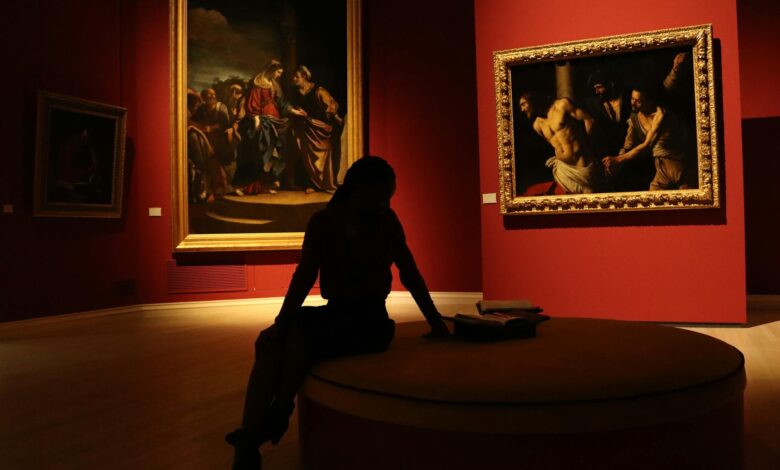
Forget the stuffy museum halls and velvet ropes. America’s wealthiest families are bringing world-class art collections home, transforming their private residences into personal museums that rival public institutions. What started as simple art appreciation has evolved into a sophisticated blend of passion, investment strategy, and family legacy building.
The trend represents a fundamental shift in how ultra-high net worth individuals approach art ownership. Rather than lending pieces to museums or storing them in warehouses, these families are creating dedicated gallery spaces within their estates, complete with climate control, security systems, and professional lighting that would make the Metropolitan Museum envious.
Private Galleries Replace Public Donations
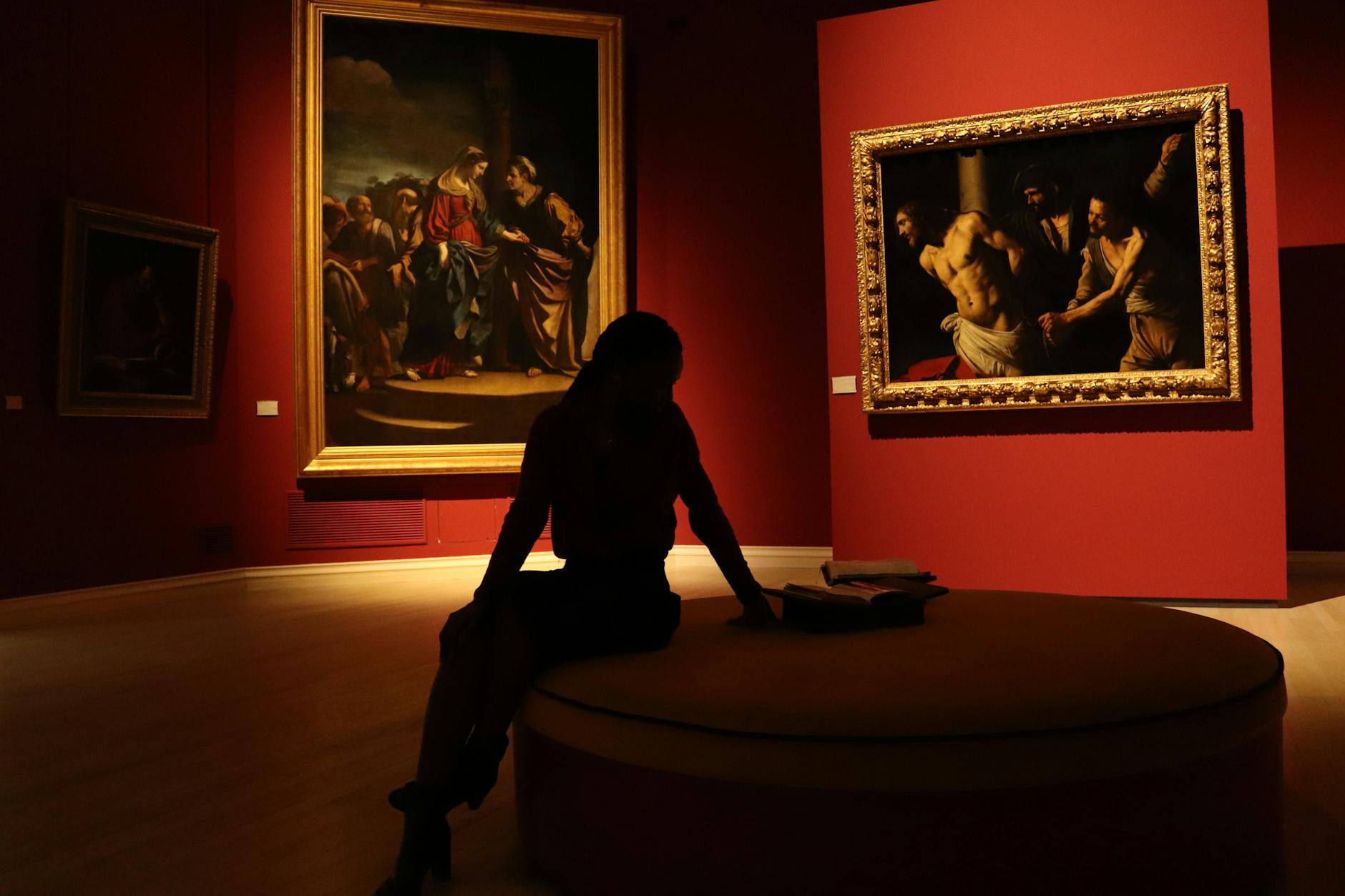
Traditional philanthropy often meant donating major works to established museums. Today’s collectors are keeping their treasures closer to home. Tech entrepreneurs, hedge fund managers, and real estate magnates are dedicating entire wings of their properties to house collections worth tens of millions.
The shift reflects practical concerns about security, accessibility, and control. Families want to share their collections with guests, host intimate viewings, and maintain complete curatorial control. Private museums also serve educational purposes, with some families hiring art historians to conduct tours for visiting scholars and students.
Silicon Valley executives have been particularly aggressive in this space. Several have converted former industrial buildings into private exhibition spaces, maintaining the raw architectural elements while installing museum-grade infrastructure. These spaces often showcase contemporary works alongside historical pieces, creating dialogue between different artistic periods.
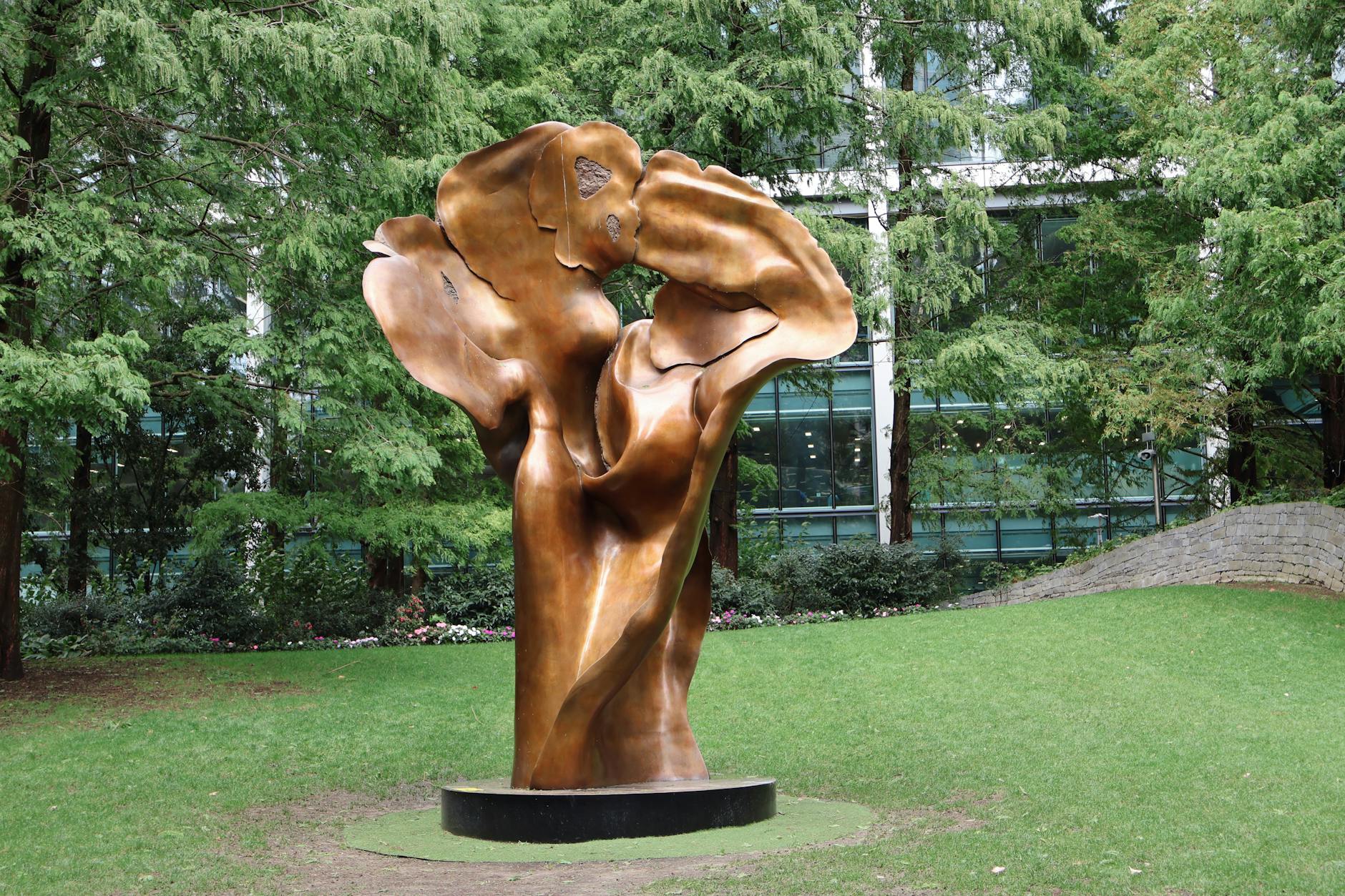
The appetite for home museums extends beyond traditional fine art. Some collectors focus on specific niches: vintage automobiles displayed in glass-walled garages, rare book collections housed in temperature-controlled libraries, or contemporary sculpture gardens integrated into landscaped grounds.
Infrastructure Investment Rivals Commercial Galleries
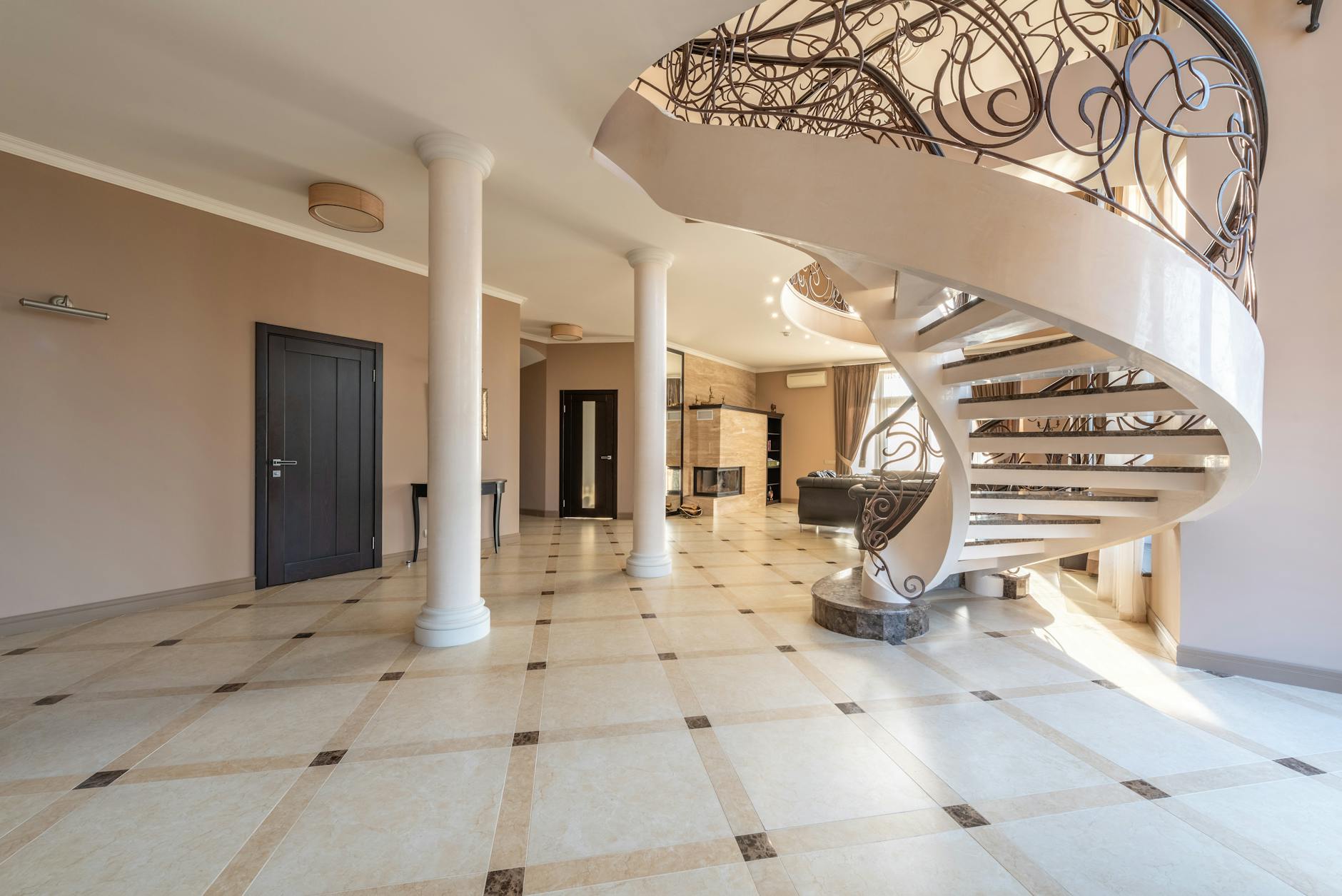
Creating a home museum requires substantial infrastructure investment. Professional-grade climate control systems maintain precise temperature and humidity levels. Advanced security includes motion sensors, bulletproof glass display cases, and direct connections to private security firms. LED lighting systems can be programmed to adjust throughout the day, protecting sensitive works while optimizing viewing conditions.
Many families hire former museum professionals to manage their collections. These curators handle acquisitions, maintain detailed provenance records, and coordinate conservation efforts. Some estates employ full-time conservators who work on-site, treating damaged pieces and monitoring the condition of the entire collection.
The technology integration goes beyond basic preservation. Digital catalog systems track every piece, including high-resolution photography, detailed condition reports, and insurance valuations. Some collectors use augmented reality systems that provide visitors with detailed information about works simply by pointing a tablet at a painting or sculpture.
Insurance considerations drive many design decisions. Separate entrance systems allow controlled access without compromising the main residence’s security. Fire suppression systems use inert gases rather than water to protect valuable works. Some facilities include blast-resistant construction techniques typically reserved for government buildings.
Storage Solutions Drive Innovation
The rise of private museums has created demand for sophisticated storage solutions. Similar to how private art storage facilities become new asset class for family offices, home storage systems now incorporate rotating displays, allowing families to showcase different pieces throughout the year while keeping the majority of their collection in controlled environments.
Automated storage systems, borrowed from commercial warehouse technology, maximize space efficiency. Works can be retrieved and displayed with minimal handling, reducing damage risk. These systems often integrate with the home’s smart systems, allowing owners to remotely schedule rotations or prepare specific pieces for viewing.
Tax and Estate Planning Benefits
Private museums offer significant tax advantages when structured properly. Charitable remainder trusts can provide income streams while ultimately benefiting arts organizations. Conservation easements may qualify for tax deductions while preserving collections for future generations.
Estate planning becomes more complex but potentially more rewarding. Families can establish private foundations that maintain the collections while providing tax benefits. Succession planning ensures younger generations understand both the cultural and financial value of inherited works.
Some families have created hybrid models, opening their private museums to the public on limited schedules. This approach can qualify for additional tax benefits while maintaining privacy and control. Educational programming, including lectures and workshops, can further enhance the public benefit profile.
The legal structure often involves multiple entities. The residence might be owned by one trust, the collection by another, and the museum operations managed by a separate foundation. This complexity requires sophisticated legal and accounting support but provides maximum flexibility for tax optimization and asset protection.
Future of Private Cultural Institutions
The trend toward private museums reflects broader changes in wealth accumulation and philanthropy. As fortunes grow larger and more concentrated, traditional giving models seem insufficient for the scale of resources available. Private museums allow families to maintain control while still contributing to cultural preservation and education.
Technology will likely drive the next evolution. Virtual reality tours could allow global access to private collections without compromising security. Blockchain provenance tracking might become standard for authentication and insurance purposes. Artificial intelligence could help curators identify previously unknown connections between works or predict conservation needs.
The model may eventually influence public institutions. Museums struggling with funding might partner with private collectors, creating hybrid spaces that blend public access with private ownership. Some predict the emergence of membership-based cultural institutions that operate more like exclusive clubs than traditional museums.
As wealth continues to concentrate among a relatively small group of individuals, private museums may become the primary way future generations experience significant cultural works. The challenge will be balancing private ownership with public benefit, ensuring these treasures remain accessible to scholars, students, and art lovers beyond the collector’s inner circle.
Frequently Asked Questions
What infrastructure do private home museums require?
Professional climate control, advanced security systems, museum-grade lighting, and often full-time conservation staff.
Are there tax benefits to private museums?
Yes, properly structured private museums can offer significant tax advantages through charitable trusts and conservation easements.