
Billionaire families are quietly securing their futures by purchasing vast estates in Canada’s remote wilderness, betting that climate change will make northern territories the world’s most valuable real estate.
From tech moguls to oil heirs, ultra-wealthy Americans are snapping up properties across British Columbia’s coastlines, Alberta’s Rocky Mountain foothills, and Ontario’s pristine lake districts. These aren’t typical vacation homes – they’re sophisticated compounds designed to be self-sufficient sanctuaries if extreme weather events or political instability force them to relocate permanently.
The trend has accelerated dramatically since 2020, with luxury real estate brokers reporting a 300% increase in inquiries from high-net-worth individuals seeking Canadian properties over 1,000 acres. Unlike traditional second homes in the Hamptons or Aspen, these northern retreats prioritize water access, renewable energy systems, and year-round habitability over proximity to social scenes.
Climate Migration Goes Upscale
Canada’s appeal extends far beyond its political stability and universal healthcare system. Climate scientists project that much of the country will experience milder temperatures and increased agricultural productivity as global warming progresses, while traditional luxury destinations face rising seas, extreme heat, and water shortages.
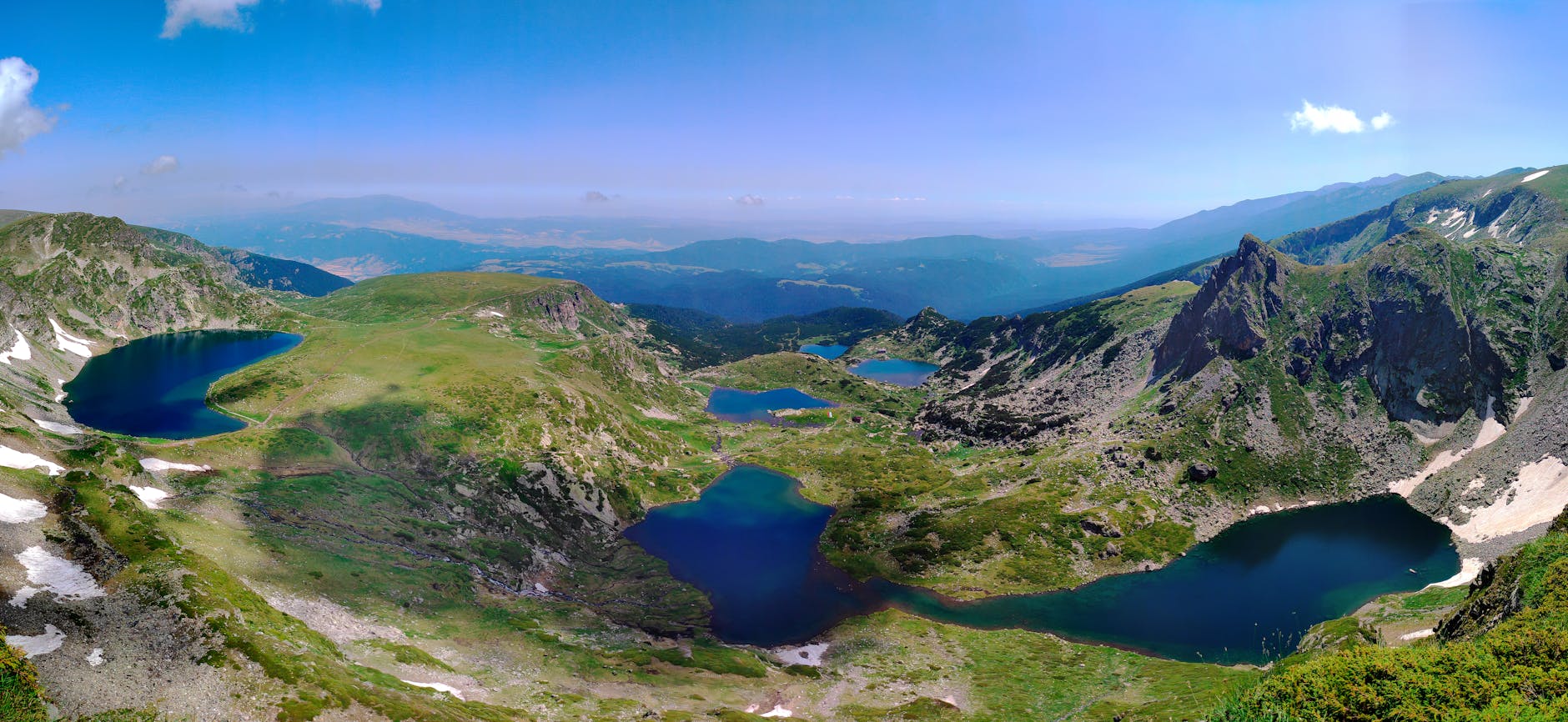
The wealthy are particularly drawn to regions around the Great Lakes, which contain 20% of the world’s fresh water supply. Properties along Lake Superior and Lake Huron command premium prices, with some estates featuring private water treatment facilities and underground storage systems. One recently sold compound in Muskoka reportedly includes a desalination plant capable of serving 200 people for a decade.
Technology executives have been especially active buyers, often selecting sites near existing fiber optic infrastructure to ensure reliable internet connectivity. Several properties now feature dedicated satellite communication systems and backup power grids designed to maintain operations during infrastructure failures.
The Canadian government has made obtaining residency easier for wealthy investors through programs like the Quebec Immigrant Investor Program, though some provinces have recently tightened requirements. Private client tax advisors are seeing unprecedented demand as families navigate the complex cross-border implications of maintaining dual residencies.
Luxury Bunkers Disguised as Estates
These Canadian compounds bear little resemblance to stereotypical survivalist bunkers. Architects specializing in “resilient luxury design” are creating estates that blend seamlessly into their natural surroundings while incorporating military-grade security and survival features.
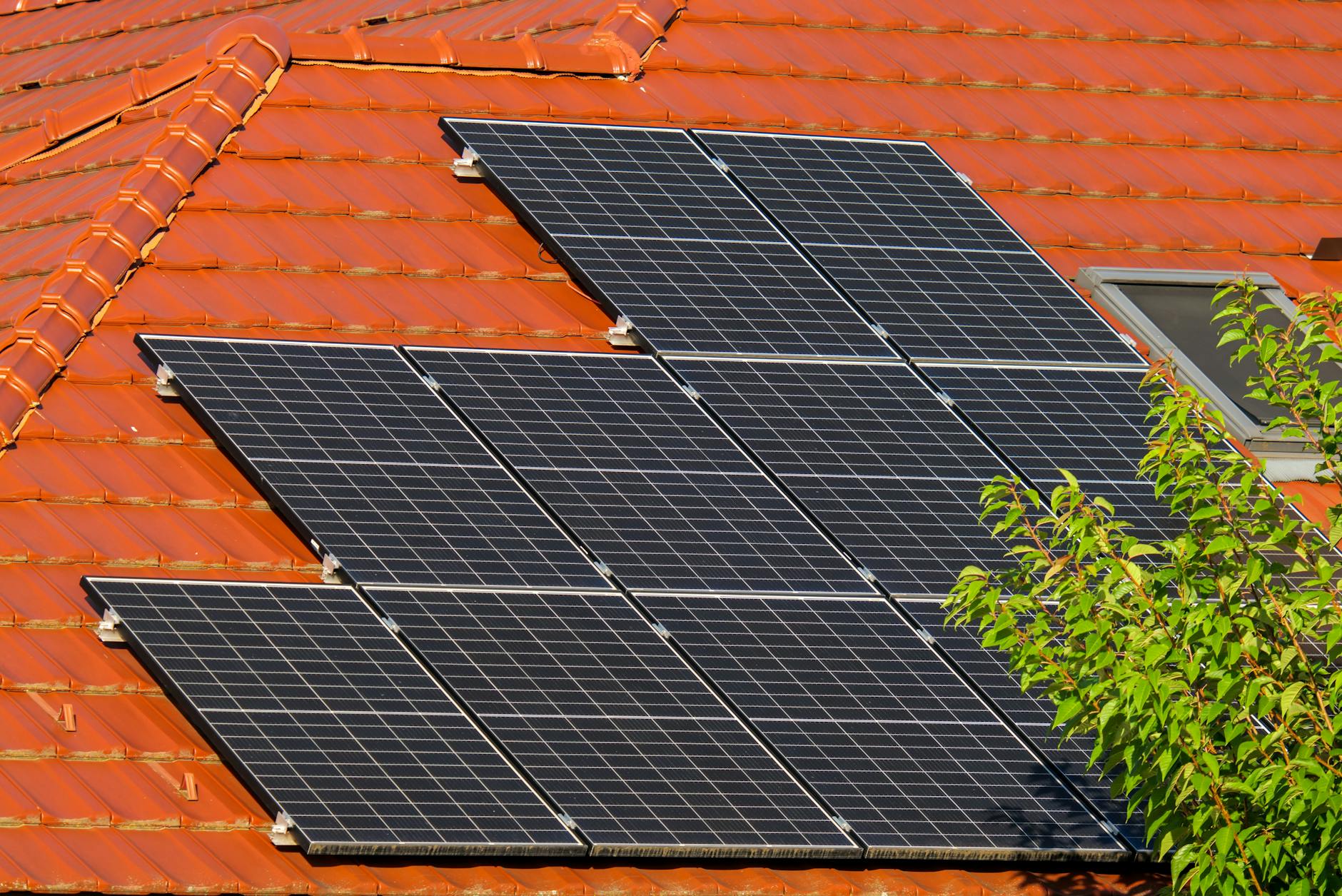
A typical ultra-high-net-worth Canadian retreat might include underground parking for multiple vehicles, wine cellars that double as storm shelters, and guest quarters designed to house extended family and essential staff for months. Solar arrays and wind turbines are often disguised as landscape features, while greenhouses and food storage facilities are integrated into the property’s aesthetic design.
Water security remains the top priority. Properties frequently feature multiple wells, natural springs, and sophisticated filtration systems. Some estates have been designed around existing water sources, with homes positioned to maximize access while maintaining views and privacy.
The medical infrastructure these families are installing rivals small hospitals. Private concierge medical practices are expanding beyond major metropolitan areas to serve these remote locations, with some compounds featuring fully equipped medical suites and helipads for emergency evacuation.
Economic Impact on Rural Communities
The influx of ultra-wealthy buyers is transforming previously affordable rural areas into exclusive enclaves. Local real estate prices have surged in communities that rarely attracted outside attention, creating both opportunities and tensions.
Small towns near desirable properties report significant increases in construction jobs, property taxes, and demand for luxury services. Local contractors specializing in sustainable building practices and security installations have seen their businesses explode. Some communities have attracted high-end restaurants, private schools, and boutique medical facilities catering to the new residents.
However, the trend has also priced out longtime residents and limited housing options for local workers. Several Canadian provinces are considering additional taxes on foreign ownership and vacant properties to address these concerns while still attracting investment capital.
The phenomenon extends beyond individual purchases. Some wealthy families are pooling resources to acquire massive tracts of land for shared compounds, creating private communities with their own infrastructure and governance structures. These collaborative approaches allow families to split costs while maintaining privacy and security.
The New Geography of Wealth
Real estate experts predict this northern migration will accelerate as climate impacts intensify in traditional wealth centers like California, Florida, and the Northeast. Canada’s combination of natural resources, stable institutions, and geographic advantages positions it to become a primary destination for climate-conscious wealth preservation.
The trend represents a fundamental shift in how the ultra-wealthy think about asset protection and family security. Rather than relying solely on financial instruments and urban real estate, they’re investing in tangible resources like land, water rights, and self-sufficient infrastructure.
Financial advisors report that clients increasingly view these Canadian properties not as luxury indulgences but as essential insurance policies. The ability to relocate entire families and maintain their lifestyle standards during crises has become a key component of comprehensive wealth management strategies.
As extreme weather events become more frequent and political tensions rise globally, Canada’s vast wilderness and stable governance offer something money can’t buy elsewhere: genuine security. The ultra-wealthy are betting that in an uncertain world, the true luxury isn’t proximity to traditional power centers but access to the resources needed for long-term survival and prosperity.
Frequently Asked Questions
Why are wealthy families choosing Canada for second homes?
Canada offers political stability, abundant fresh water, milder projected climate impacts, and vast land availability compared to traditional luxury destinations.
What features do these climate-proof homes include?
These estates feature renewable energy systems, water treatment facilities, medical suites, food storage, and underground shelters disguised as luxury amenities.