
Water Rights Investment Funds Target Western State Drought Crisis Opportunities


Investment funds are quietly positioning themselves around one of America’s most critical resources: water. As Western states face their worst drought conditions in over a millennium, specialized water rights investment vehicles are emerging to capitalize on scarcity pricing and infrastructure needs across the Colorado River Basin and California’s Central Valley.
The numbers tell a stark story. Lake Mead sits at just 35% capacity, while California’s snowpack measures 70% below historical averages. This crisis has created what investment analysts call a “perfect storm” for water rights speculation, with some agricultural water allocations trading at prices 400% higher than five years ago.
Unlike traditional commodity funds that trade futures contracts, these new investment vehicles are purchasing actual water rights – the legal entitlements that allow holders to withdraw specific quantities from rivers, aquifers, and reservoirs. The strategy mirrors how real estate investment trusts operate, but instead of buying office buildings, these funds are acquiring century-old water claims across Nevada, Arizona, Colorado, and California.

The Water Rights Gold Rush
Water rights investment has historically been the domain of agricultural giants and utility companies. Now institutional investors are recognizing water as an undervalued asset class with unique scarcity dynamics. The Sustainable Water Fund, launched by Denver-based asset manager AquaVest Capital, has raised over $200 million since 2023 by targeting senior water rights in the Upper Colorado Basin.
“We’re not betting against farmers or communities,” explains Sarah Chen, AquaVest’s managing director. “We’re providing liquidity to an illiquid market while building infrastructure to maximize water efficiency.” The fund’s strategy involves purchasing agricultural water rights from retiring farmers, then leasing them to municipalities and industrial users at market rates.
The legal framework varies dramatically by state. In Colorado’s prior appropriation system, water rights function like mineral rights – they can be bought, sold, and transferred independently of land ownership. California operates under a more complex dual system combining riparian rights and appropriative claims dating back to the Gold Rush era.
This complexity creates opportunities for sophisticated investors who understand the regulatory landscape. Blackstone’s tactical opportunities fund recently allocated $150 million to Western water investments, focusing on senior rights with priority dates before 1900. These “ancient” rights typically maintain their allocations even during severe drought periods when junior rights holders face cutbacks.
Infrastructure Plays and Efficiency Technology
Beyond raw water rights, investment funds are targeting the infrastructure needed to transport, store, and purify water across drought-stricken regions. The model resembles how Electric Vehicle Charging Station REITs emerged to capitalize on transportation electrification trends.
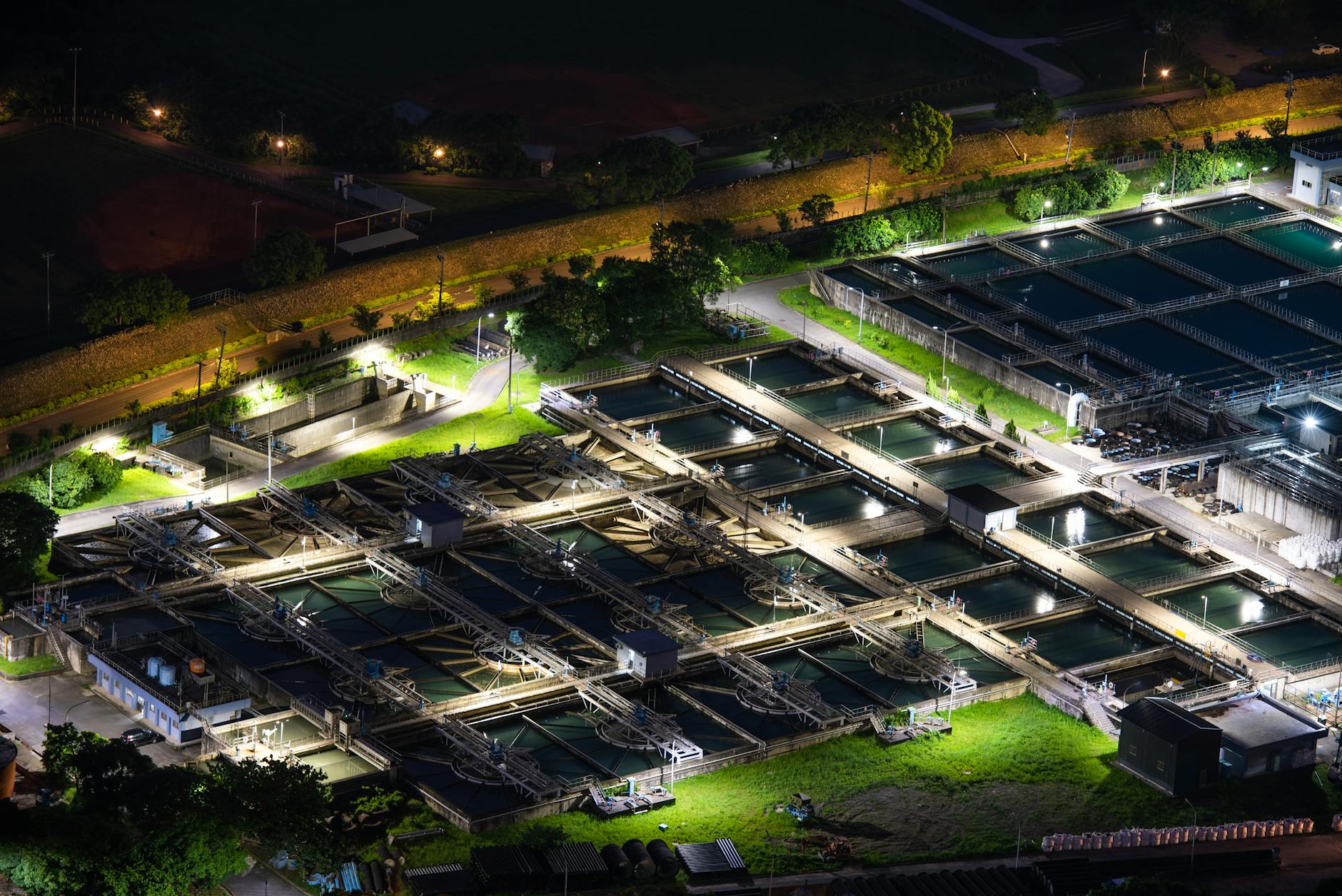
Pacific Water Infrastructure Partners has raised $300 million to develop desalination facilities, groundwater recharge projects, and advanced treatment plants across Southern California. The fund’s flagship project involves a $75 million brackish groundwater facility in Riverside County that will produce 10 million gallons daily for municipal use.
“Water infrastructure has 30-year useful lives with regulated utility returns,” notes fund manager David Rodriguez. “It’s infrastructure investing with a critical resource premium.” The fund targets 8-12% annual returns through a combination of infrastructure development fees, long-term service contracts, and water sales revenue.
Technology integration has become crucial for maximizing returns from water assets. Smart irrigation systems, leak detection sensors, and precision agriculture tools can increase effective water yields by 20-30% without additional supply. Several investment funds are acquiring water rights paired with agricultural operations, implementing efficiency technologies, then reselling excess water allocations to urban markets.
The arbitrage opportunity is substantial. Agricultural water in California’s Central Valley trades for $200-400 per acre-foot, while municipal water commands $1,200-2,000 per acre-foot in drought-stressed cities like Los Angeles and San Diego.
Regulatory Risks and Environmental Concerns
Water rights investing operates within a complex web of federal, state, and local regulations that create both opportunities and risks. The Bureau of Reclamation’s recent Colorado River allocation cuts have triggered legal challenges that could reshape water rights hierarchies across seven states.
Environmental groups have raised concerns about financialization of water resources, arguing that investment funds could exacerbate supply problems for agricultural communities and Native American tribes. The Colorado River Indian Tribes recently challenged water transfers to investment funds, claiming violations of their federal reserved rights.
“When Wall Street gets involved in water, rural communities get displaced,” argues Maria Santos from the Southwest Water Advocacy Coalition. “These funds are extracting a resource that’s literally life and death for farming families.”
Regulatory uncertainty represents the primary risk factor for water rights investors. California’s Sustainable Groundwater Management Act requires local agencies to balance overdrafted aquifers by 2040, potentially invalidating some groundwater pumping rights. Similarly, the Supreme Court’s pending Kansas v. Colorado water dispute could establish new precedents for interstate water allocation.
Market Outlook and Growing Demand
Despite regulatory risks, investment firms are bullish on water rights as a long-term asset class. Climate models project continued aridification across the American Southwest, while population growth in cities like Phoenix, Las Vegas, and Austin increases municipal water demand by 2-3% annually.

The investable universe is expanding as aging agricultural operations seek exit liquidity. According to USDA data, over 40% of Western water rights holders are approaching retirement age, creating succession planning challenges for family farms and ranches. Investment funds provide an alternative to selling entire agricultural operations, allowing farmers to monetize water assets while maintaining land ownership.
Institutional allocators are taking notice. CalPERS recently announced a $500 million commitment to alternative infrastructure investments, with water assets comprising 15% of the target allocation. The pension fund’s investment committee cited water scarcity as a “mega-trend” comparable to demographic aging and technological disruption.
Several publicly traded vehicles are emerging to provide retail investor access to water rights markets. The Invesco Water Resources ETF has attracted $400 million in assets by investing in water utilities, infrastructure companies, and agricultural processors with significant water holdings.
As Western drought conditions intensify and traditional water sources face unprecedented stress, investment capital is flowing toward this previously niche asset class. Whether these funds represent prudent infrastructure investment or problematic resource financialization may depend on their ability to balance returns with community water security needs. The outcome will likely reshape how America manages its most precious resource for decades to come.
Frequently Asked Questions
How do water rights investment funds make money?
They purchase agricultural water rights then lease them to municipalities and industrial users at higher market rates, while also developing water infrastructure projects.
What are the main risks of investing in water rights?
Regulatory changes, legal challenges from tribes and environmental groups, and complex state-by-state water law variations create significant investment risks.