
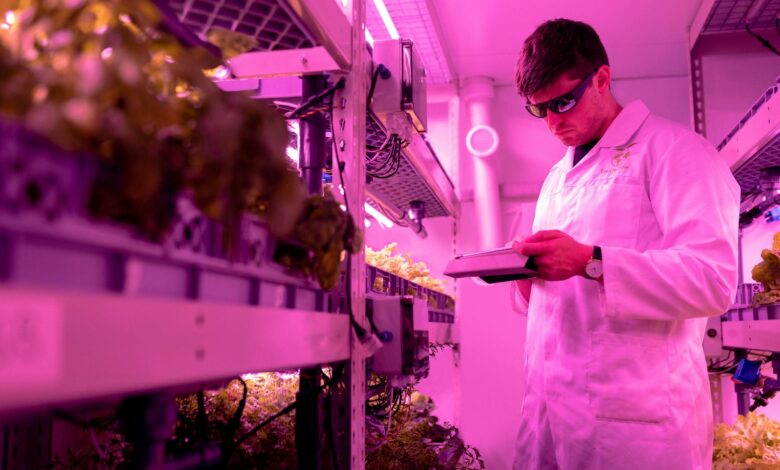
Venture capital is flooding into an unexpected corner of American agriculture: vertical farms rising from converted warehouses in Iowa cornfields and Nebraska cattle towns. These soil-free growing operations are attracting billions in investment, transforming traditional farming states into hubs for high-tech food production.
The shift represents a fundamental reimagining of where and how America grows its food. While coastal cities pioneered vertical farming technology, agricultural heartland states now offer the perfect combination of cheap real estate, reliable power grids, and proximity to major food distribution networks that investors find irresistible.
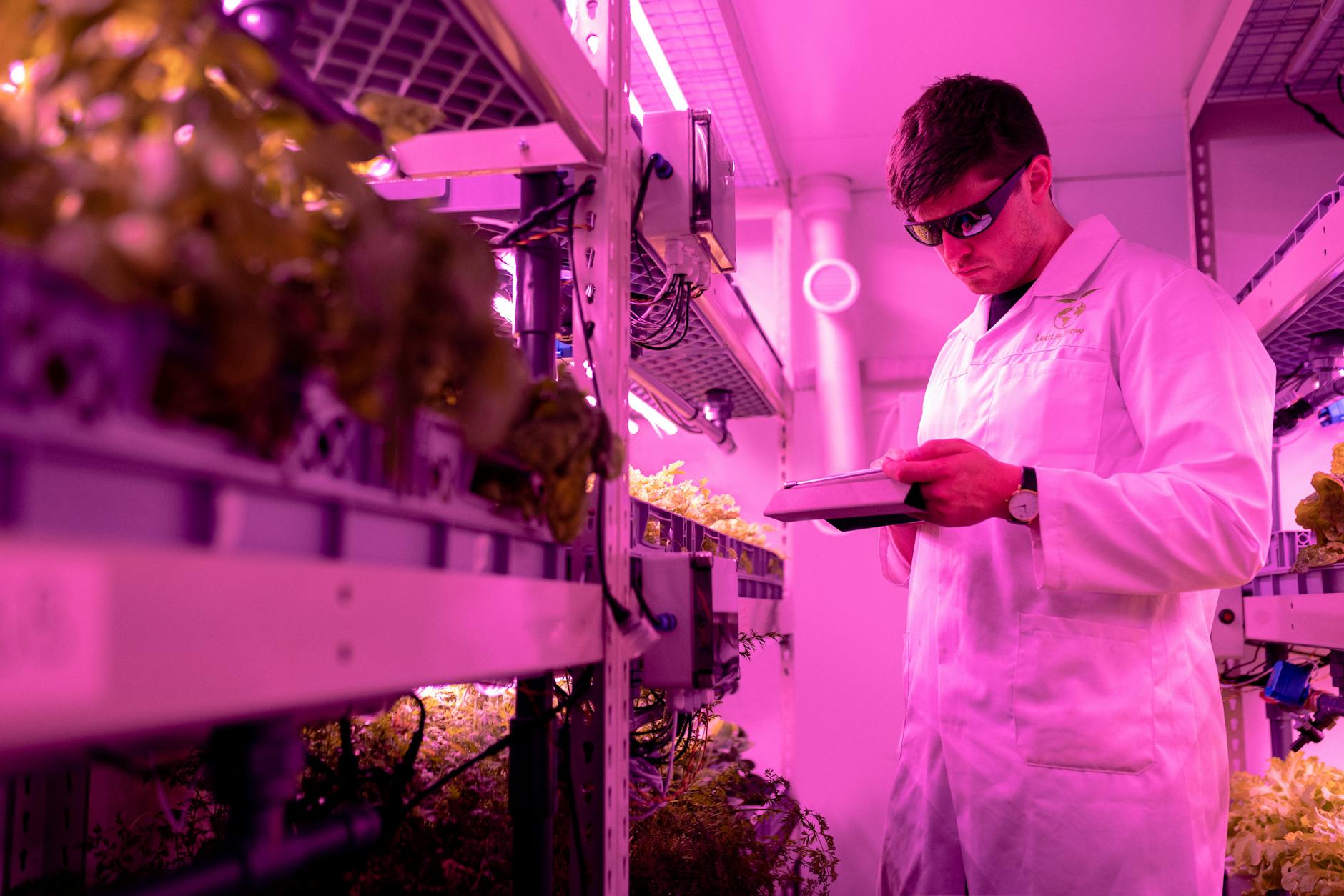
Nebraska’s AeroFarms facility spans 150,000 square feet in a former manufacturing plant, growing leafy greens in stacked towers that reach 30 feet high. The company chose the location specifically for its central position within 500 miles of major metropolitan markets, cutting transportation costs that typically account for 30% of fresh produce pricing.
Infrastructure Advantages Drive Location Decisions
Agricultural states possess critical infrastructure advantages that make vertical farming operations more viable than urban locations. Iowa’s electrical grid, built to support energy-intensive corn processing facilities, easily handles the high power demands of LED growing systems. These farms require roughly 30% more electricity per square foot than traditional data centers.
Kansas and Oklahoma offer abundant renewable energy sources, with wind power providing cost-effective electricity for 24-hour growing operations. Vertical farms in these states report energy costs 40% lower than comparable facilities in California or New York, where premium urban real estate and strained power grids drive up operational expenses.
Water availability also plays a crucial role. Nebraska’s Ogallala Aquifer provides reliable water sources for hydroponic systems, while states like Iowa offer established water treatment infrastructure originally designed for agricultural processing plants. These systems require minimal modification to support closed-loop growing environments.
Transportation networks built to move agricultural commodities seamlessly adapt to fresh produce distribution. Interstate highways, rail connections, and regional airports in farming states provide multiple shipping options to reach consumers within 48 hours of harvest.
Real Estate Economics Favor Rural Locations
Land costs in agricultural states run dramatically lower than urban markets, allowing vertical farming companies to build larger facilities with room for expansion. A 200,000-square-foot facility in rural Missouri costs roughly one-third of a comparable space in metropolitan areas, while offering better access to skilled agricultural workers.
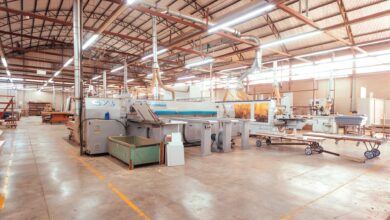
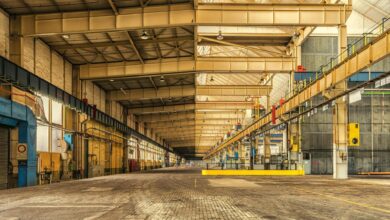
Former industrial buildings in these regions provide ideal conversion opportunities. Abandoned manufacturing plants, grain elevators, and processing facilities offer high ceilings, reinforced floors, and existing utility connections that reduce startup costs by millions of dollars.
Local governments in agricultural states actively court vertical farming investments through tax incentives, workforce development programs, and streamlined permitting processes. Iowa’s economic development office reports processing vertical farming permits in half the time required for similar projects in urban jurisdictions.
The combination of lower overhead costs and government support allows companies to achieve profitability faster than coastal operations. Several Midwest vertical farms report breaking even within 18 months, compared to three-year timelines typical in expensive metropolitan markets.
Workforce and Supply Chain Synergies
Agricultural states offer established workforces familiar with food production, plant biology, and agricultural technology. Workers transitioning from traditional farming bring valuable skills in crop monitoring, pest management, and harvest timing that translate directly to vertical farming operations.
Regional agricultural universities provide steady streams of graduates trained in plant science, agricultural engineering, and food safety protocols. Schools like Iowa State University and University of Nebraska have developed specialized curricula in controlled environment agriculture, creating talent pipelines for vertical farming companies.
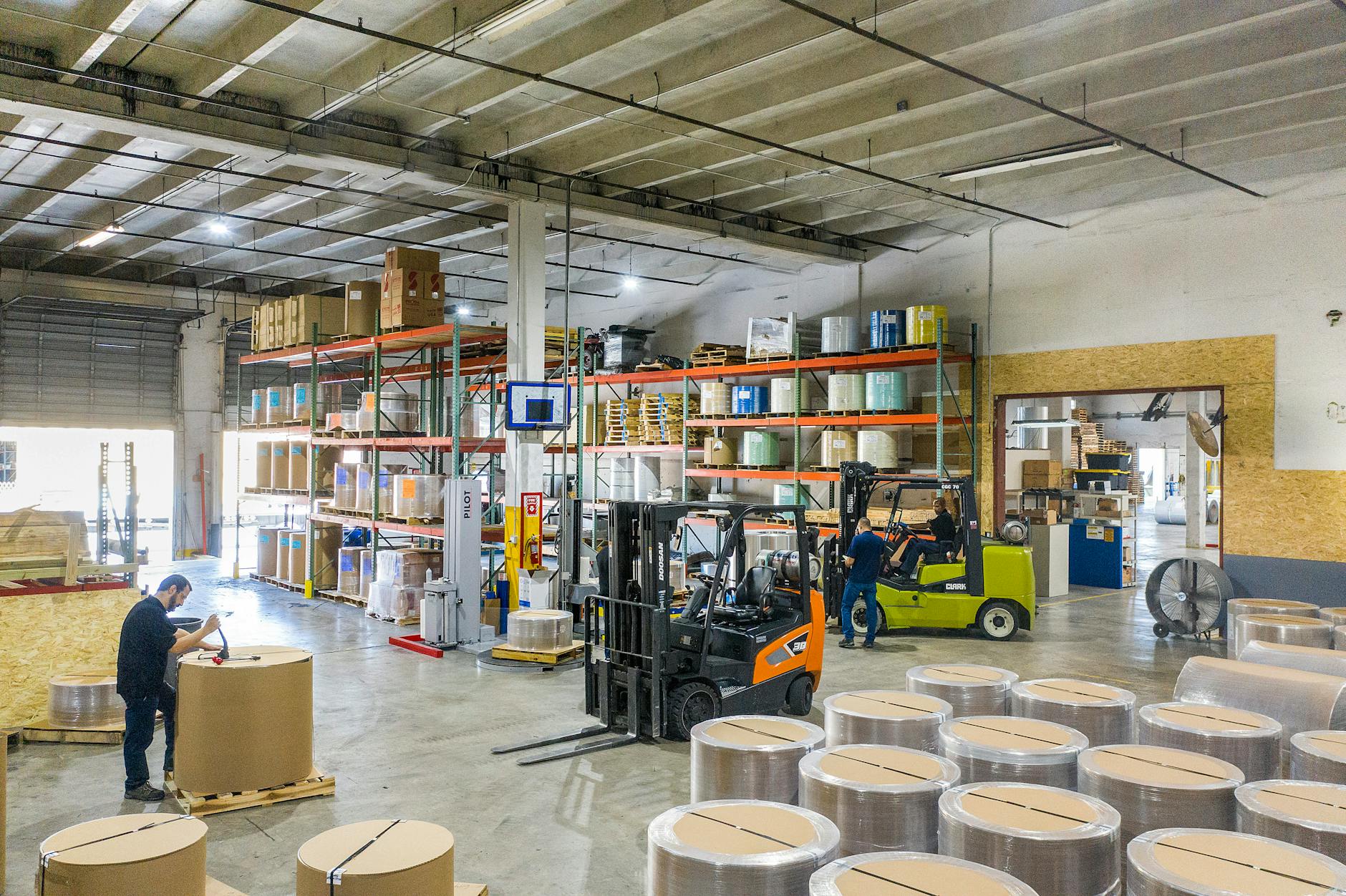
Supply chain relationships built over decades support vertical farming operations efficiently. Seed suppliers, fertilizer distributors, and agricultural equipment manufacturers already serve these regions, providing vertical farms with established vendor networks and competitive pricing.
Food processing and packaging facilities throughout the agricultural heartland offer partnership opportunities for value-added products. Vertical farms can leverage existing infrastructure to produce pre-washed salads, herb mixes, and other prepared foods without building expensive processing capabilities.
The trend mirrors broader industrial reshoring movements, as companies seek stable supply chains and reduced transportation costs. Similar to how trade war tensions are driving reshoring in manufacturing states, food security concerns push agricultural innovation toward domestic production centers.
Technology Integration Accelerates Growth
Agricultural states increasingly integrate advanced technologies that support vertical farming development. Precision agriculture companies headquartered in these regions develop sensors, automation systems, and data analytics platforms that vertical farms adopt for crop optimization.
Research partnerships between vertical farming companies and land-grant universities accelerate innovation in plant genetics, growing techniques, and environmental controls. These collaborations often receive federal agricultural research funding, reducing development costs for private companies.
Local technical colleges offer specialized training programs in hydroponic systems, LED lighting design, and automated harvesting equipment. This educational infrastructure ensures vertical farms can recruit and train workers locally rather than importing talent from expensive coastal markets.
Regional internet infrastructure, originally built to support precision agriculture and rural broadband initiatives, provides reliable connectivity for data-intensive vertical farming operations. These facilities generate terabytes of environmental data daily for crop monitoring and optimization systems.

The convergence of economic advantages, infrastructure assets, and agricultural expertise positions heartland states as leaders in America’s vertical farming revolution. Investment flows continue accelerating as companies recognize that growing food indoors works best where traditional farming already thrives. This agricultural transformation promises to reshape both rural economies and urban food systems, bringing fresh produce closer to consumers while creating high-tech jobs in unexpected places.
Frequently Asked Questions
Why are vertical farms choosing agricultural states over cities?
Agricultural states offer lower real estate costs, reliable power grids, and existing food distribution infrastructure that reduce operational expenses significantly.
What makes agricultural states ideal for vertical farming operations?
These states provide skilled agricultural workforces, university research partnerships, and supply chain networks already serving the food industry.