
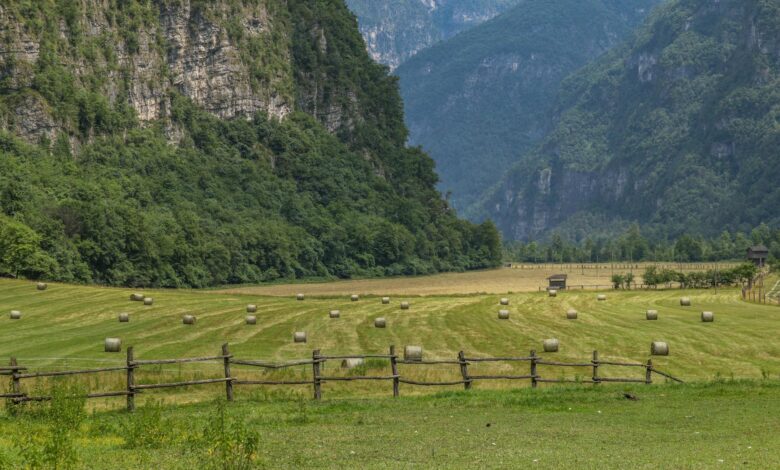
Big Sky Country has become the destination of choice for America’s wealthiest families seeking the ultimate insurance policy against uncertainty. From tech moguls to hedge fund titans, billionaire dynasties are quietly purchasing vast Montana ranches and transforming them into fortress-like compounds complete with underground bunkers, private airstrips, and military-grade security systems.
The trend accelerated dramatically during the pandemic and has only intensified as geopolitical tensions rise and economic volatility increases. Montana offers what these families crave most: isolation, natural resources, and minimal government interference. The state’s sparse population density means neighbors are measured in miles rather than feet, while its agricultural abundance and clean water sources provide essential resources for long-term self-sufficiency.
Real estate agents specializing in luxury Montana properties report that buyers are no longer simply seeking vacation homes or hunting lodges. They want operational bases capable of sustaining extended stays during crisis scenarios. The requests have evolved from basic security upgrades to comprehensive survival infrastructure including underground facilities, renewable energy systems, and food production capabilities.
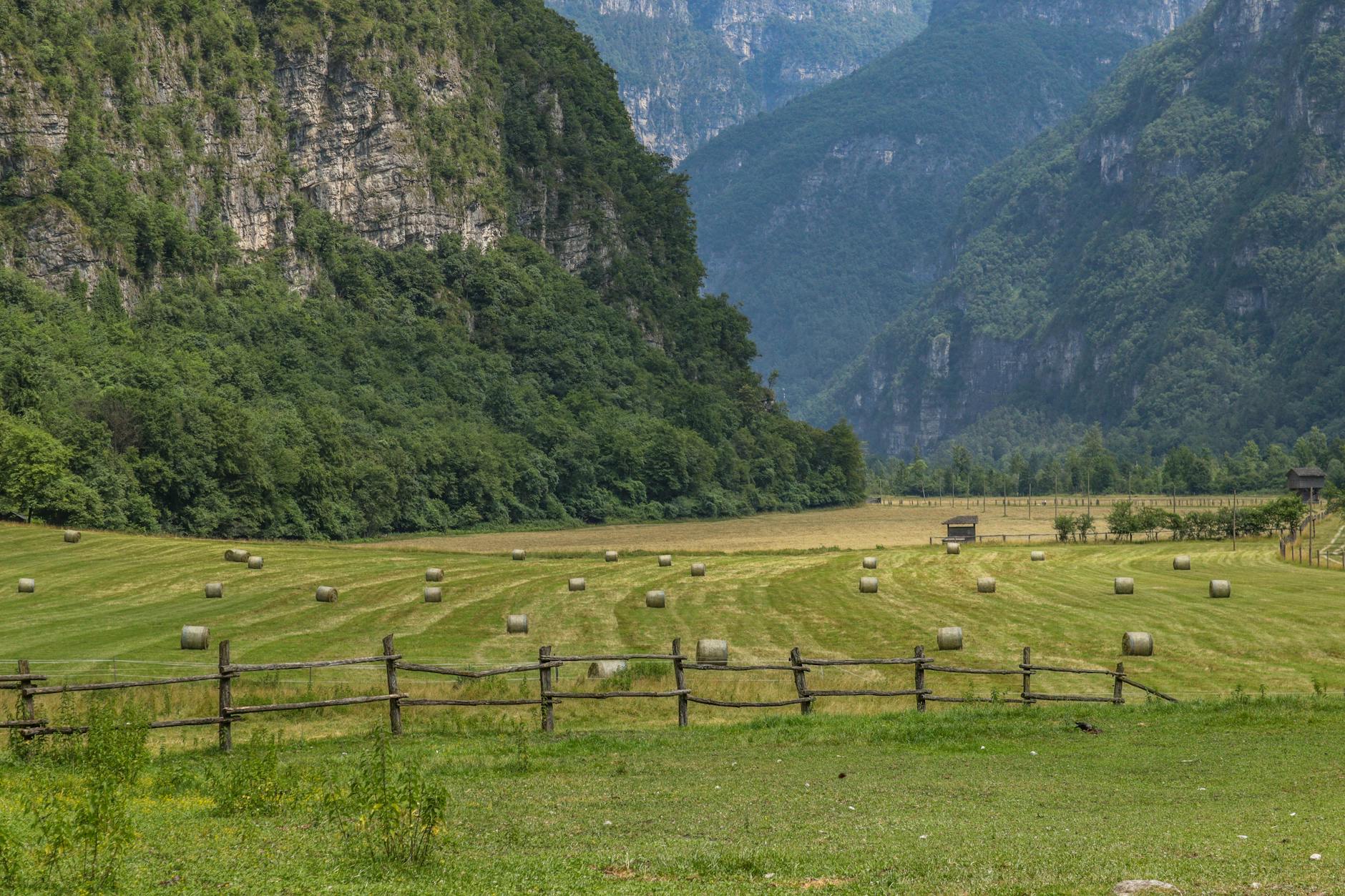
The New American Fortress
Montana’s appeal extends far beyond its scenic beauty and outdoor recreation opportunities. The state offers strategic advantages that resonate deeply with ultra-wealthy families concerned about social unrest, economic collapse, or international conflicts. Its location provides natural barriers and defensible terrain, while state laws favor property rights and self-defense.
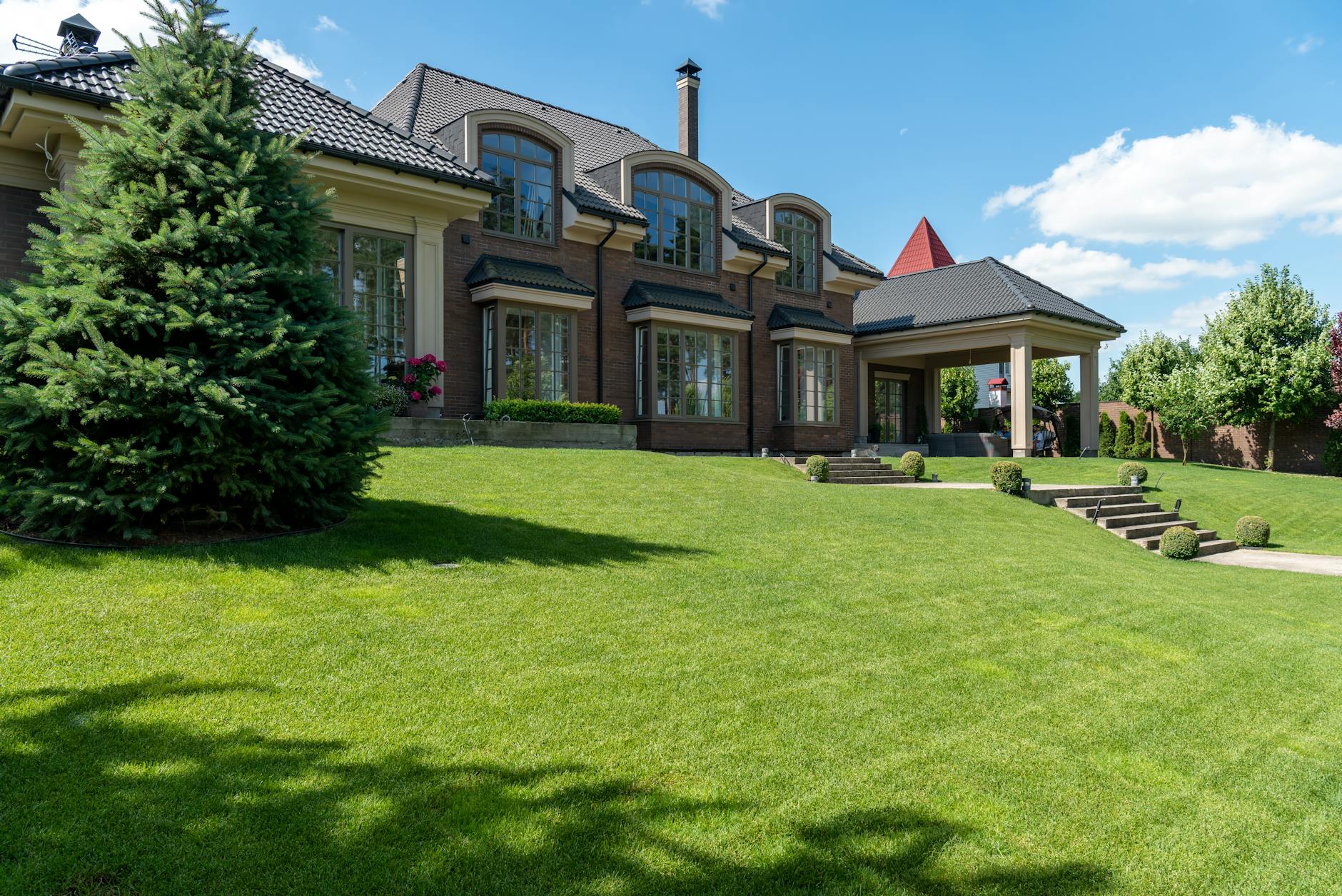
Several prominent families have established significant presences across the state’s most remote regions. These properties typically span thousands of acres, creating buffer zones that ensure privacy and security. The compounds feature multiple entry points, advanced surveillance networks, and communication systems that can operate independently of traditional infrastructure.
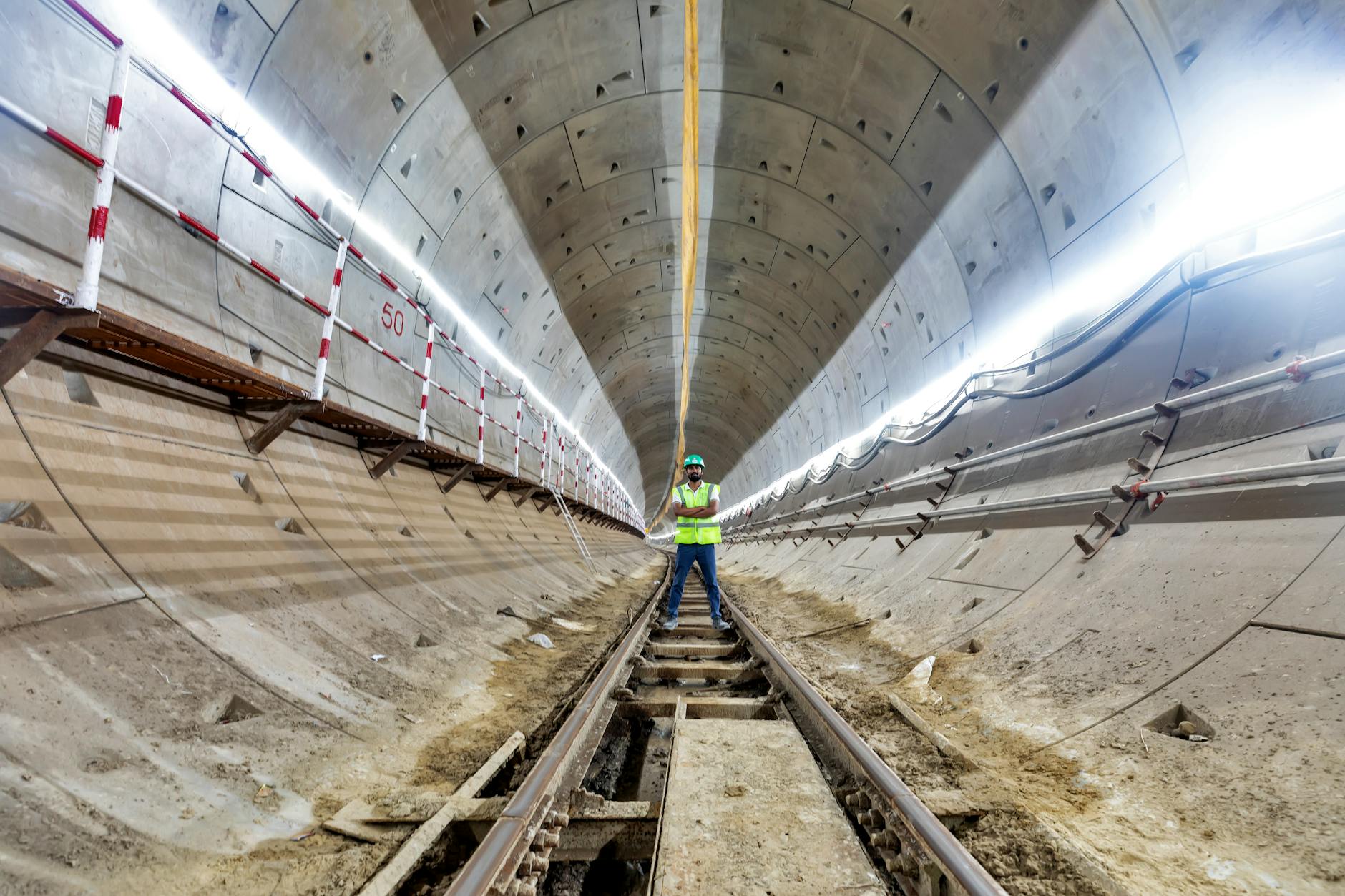
Underground construction has become a standard feature of these developments. These subterranean spaces serve multiple purposes: secure storage for valuables and supplies, climate-controlled environments for long-term habitation, and protection against various threats. Construction companies specializing in bunker design report dramatic increases in Montana projects, with some installations rivaling military specifications.
The bunkers themselves vary significantly in scope and sophistication. Basic installations might include reinforced storage areas and safe rooms, while elaborate complexes feature full living quarters, medical facilities, workshops, and recreational spaces. Ventilation systems, water filtration, and backup power generation ensure habitability during extended isolation periods.
Technology Meets Survival
Modern bunker construction incorporates cutting-edge technology that would seem at home in science fiction, yet remains grounded in practical engineering solutions. Advanced air filtration systems can protect against biological and chemical contaminants, while sophisticated water treatment plants ensure safe drinking supplies from local sources.
Communication infrastructure receives particular attention, with satellite uplinks, radio systems, and encrypted networks providing multiple connectivity options. Some installations include server rooms and data centers, allowing residents to maintain business operations even during extended stays underground.
Security systems integrate multiple layers of protection, from perimeter sensors and automated barriers to drone surveillance and rapid response protocols. Private security firms specializing in family protection have established permanent presences at many properties, providing round-the-clock monitoring and immediate threat response capabilities.
The integration of renewable energy sources reflects both environmental consciousness and practical necessity. Solar arrays, wind turbines, and geothermal systems provide sustainable power generation, while battery storage ensures continuity during adverse conditions. Some properties achieve complete energy independence, eliminating reliance on external power grids.
Food production capabilities range from traditional farming and ranching to hydroponic facilities and controlled-environment agriculture. These systems enable fresh food production year-round, regardless of external conditions or supply chain disruptions. Seed banks and livestock breeding programs ensure long-term food security for extended families and staff.
Economic Impact and Local Reactions
The influx of billionaire families has created significant economic impacts throughout rural Montana communities. Construction projects employ local workers and contractors, while ongoing operations require permanent staff for security, maintenance, and property management. Local businesses benefit from increased demand for supplies, services, and specialized equipment.
However, the trend has also generated mixed reactions among longtime Montana residents. Property values have surged in previously affordable rural areas, making it difficult for local families to purchase homes or expand agricultural operations. Some communities worry about the changing character of their regions as working ranches transform into private estates.
The relationship between ultra-wealthy newcomers and established communities varies significantly. Some billionaire families actively support local charities, schools, and infrastructure projects, integrating themselves into community life. Others maintain minimal contact, preferring privacy and separation from local populations.
The phenomenon has influenced broader Montana real estate markets, with luxury properties commanding premium prices and development patterns shifting toward security-focused designs. Traditional ranchers sometimes find themselves with unexpected opportunities to sell land at substantial profits, though many express ambivalence about departing from family properties held for generations.
As private family banks challenge traditional wealth management models, these Montana compounds represent physical manifestations of diversified wealth preservation strategies.
The Future of Wealth Preservation
The Montana bunker phenomenon reflects broader trends in how ultra-wealthy families approach risk management and wealth preservation. Traditional strategies focused primarily on financial diversification and offshore accounts, but current approaches increasingly emphasize physical security and self-sufficiency.
Industry experts predict the trend will continue expanding as global uncertainties persist. Climate change, political instability, and technological disruptions all contribute to demand for secure retreat locations. Montana’s combination of natural advantages and legal framework positions the state to remain a preferred destination for defensive wealth strategies.
The sophistication of these installations continues evolving as construction technologies advance and threat perceptions change. Future developments may incorporate even more advanced systems for communication, energy production, and life support, creating essentially self-contained communities capable of indefinite operation.
The implications extend beyond individual family security to broader questions about wealth concentration and social responsibility. As income inequality increases and social tensions rise, the visibility of billionaire bunkers may influence public perceptions about wealth distribution and civic engagement.
Looking ahead, Montana’s role as America’s premier bunker destination appears secure. The state’s vast open spaces, natural resources, and favorable political climate continue attracting families seeking ultimate security for their dynasties. Whether this represents prudent planning or excessive preparation remains a matter of perspective, but the trend shows no signs of slowing as uncertainty defines the modern economic landscape.
Frequently Asked Questions
Why are billionaires choosing Montana for their bunkers?
Montana offers isolation, natural resources, minimal government interference, and strategic defensive advantages with vast open spaces.
What features do these underground bunkers include?
Modern bunkers feature living quarters, medical facilities, advanced air filtration, renewable energy, communication systems, and food production capabilities.