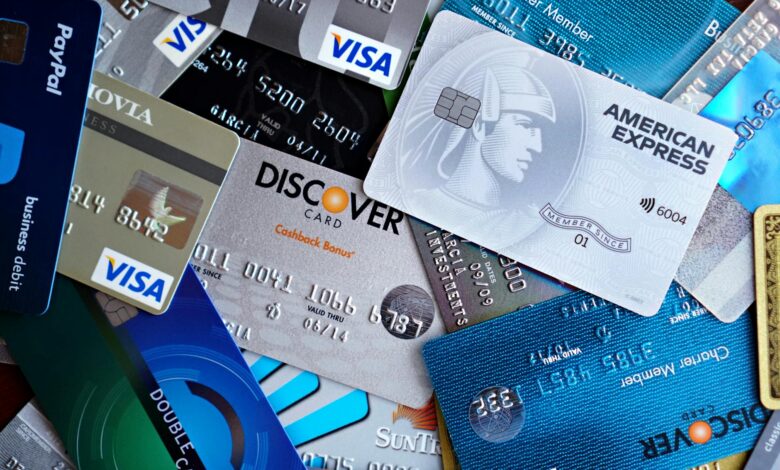
Chase launched its own buy now pay later service in 2023. Bank of America partnered with Klarna for installment payments. Capital One integrated Affirm into its shopping platform. The credit card industry’s decades-old business model is experiencing a fundamental shift as traditional issuers embrace the very technology that once threatened their market share.
The marriage between credit cards and buy now pay later apps represents more than just competitive strategy – it signals a complete reimagining of consumer credit. These partnerships are reshaping how Americans access financing, blending the security of established banking with the flexibility of modern payment technology.
The Revenue Reality Behind the Partnerships
Credit card companies generate revenue through interchange fees, interest charges, and annual fees. Buy now pay later services profit from merchant fees and late payment penalties. The partnership model allows both sides to capture value they previously competed for separately.
Mastercard’s partnership with Sezzle enables cardholders to split purchases into installments while merchants still pay traditional processing fees. Visa’s collaboration with Affirm creates a similar dynamic, where the credit card network maintains its transaction volume while adding installment flexibility.
These arrangements solve a critical problem for credit card issuers: younger consumers increasingly prefer transparent, fixed-payment structures over revolving credit. Rather than lose these customers entirely, banks are adapting their offerings to meet changing preferences.
The merchant perspective drives additional partnership momentum. Retailers report higher conversion rates and larger average order values when offering both credit card acceptance and buy now pay later options. By integrating these services, credit card companies help merchants optimize checkout experiences while maintaining their processing relationships.
Regulatory Advantages and Risk Management
Credit card companies operate under established regulatory frameworks with clear consumer protection standards. Buy now pay later services face evolving oversight, with the Consumer Financial Protection Bureau increasing scrutiny of installment payment practices.
Partnerships allow buy now pay later apps to leverage credit card companies’ compliance infrastructure and regulatory expertise. American Express’s collaboration with Plan It provides installment options within existing cardholder agreements, avoiding separate lending regulations that standalone buy now pay later services must navigate.
Risk assessment represents another partnership advantage. Credit card issuers possess decades of consumer credit data and sophisticated underwriting models. Buy now pay later companies gain access to this analytical capability, while credit card companies can apply their risk management to installment lending.
The partnership structure also addresses regulatory concerns about consumer debt accumulation. When buy now pay later features operate within existing credit limits, they provide spending guardrails that standalone services sometimes lack. This integration approach may influence future regulatory approaches to installment payment oversight.

Technology Integration and User Experience
Modern consumers expect seamless payment experiences across digital and physical retail environments. Credit card companies recognize that clunky integration between traditional cards and installment options creates friction that drives customers toward alternative payment methods.
Wells Fargo’s partnership with PayPal Pay in 4 demonstrates this integration approach. Cardholders can access installment options directly through their existing banking apps, eliminating the need for separate account management. This unified experience maintains customer relationships while expanding payment flexibility.
The technology partnerships extend beyond consumer-facing features. Credit card companies are integrating buy now pay later APIs into their merchant services platforms, allowing retailers to offer multiple payment options through single integration points. This approach reduces technical complexity for merchants while expanding credit card companies’ service offerings.
Mobile payment integration represents a particularly important battlefield. As consumers increasingly shop through smartphones, credit card companies are embedding installment options directly into mobile wallets and banking apps. These integrations position traditional issuers as comprehensive financial service providers rather than single-product vendors.
Similar technological convergence is occurring across the broader financial services landscape, as evidenced by regional banks partnering with fintech apps to modernize their digital offerings and compete with larger institutions.
Market Expansion and Customer Retention
Credit card companies face intense competition for customer acquisition and retention. Buy now pay later partnerships provide differentiation in saturated markets while addressing specific demographic preferences that traditional credit products struggle to capture.
Younger consumers often view credit cards with suspicion due to concerns about debt accumulation and unclear fee structures. Buy now pay later options provide the purchasing power these customers want with payment terms they understand. By offering both options, credit card companies can serve diverse customer preferences within single relationships.
International expansion opportunities also drive partnership strategies. Buy now pay later adoption varies significantly across global markets, with some regions showing stronger preference for installment payments. Credit card companies can leverage local buy now pay later partnerships to enter new markets more effectively than launching proprietary installment services.
The partnerships also create cross-selling opportunities. Customers who begin with installment payments may eventually adopt traditional credit products as their financial needs evolve. This progression path allows credit card companies to build long-term relationships starting with customer-preferred entry products.

Future of Integrated Payment Solutions
The credit card and buy now pay later partnership trend reflects broader changes in consumer financial behavior and regulatory expectations. As payment preferences continue evolving, these collaborations will likely expand beyond simple installment options.
Industry observers expect partnerships to incorporate additional financial services, including savings features, budgeting tools, and personalized spending insights. The goal is creating comprehensive financial management platforms that address multiple consumer needs through integrated experiences.
Regulatory developments will significantly influence partnership evolution. If buy now pay later services face stricter oversight, partnerships with established financial institutions may become essential for market participation. Conversely, favorable regulatory treatment could encourage more independent competition.
The success of these partnerships will ultimately depend on their ability to serve consumer needs better than separate services. As the integration matures, the distinction between credit cards and buy now pay later options may blur entirely, creating new hybrid products that combine the benefits of both approaches while minimizing their respective limitations.
Frequently Asked Questions
Why are credit card companies partnering with buy now pay later services?
They want to capture younger consumers who prefer installment payments while maintaining their market share and transaction volume.
How do these partnerships benefit merchants?
Merchants see higher conversion rates and larger order values when offering both credit card and installment payment options at checkout.