


Wall Street’s latest surprise isn’t coming from tech stocks or cryptocurrency – it’s from the humble certificate of deposit. High-yield CDs are delivering returns that rival or exceed many stock investments, creating a seismic shift in how Americans think about safe money.
The numbers tell a striking story. While the S&P 500 posted mixed results through volatile trading periods, many high-yield CDs now offer rates between 4.5% and 5.5% annually. Banks like Marcus by Goldman Sachs, Ally Bank, and Capital One have pushed CD rates to levels not seen since before the 2008 financial crisis. This represents a dramatic reversal from the near-zero interest environment that dominated the past decade.
The transformation stems directly from Federal Reserve policy changes. After years of keeping interest rates at historic lows, the Fed’s aggressive rate hikes to combat inflation have finally trickled down to consumer banking products. What once seemed impossible – risk-free returns competing with stock market gains – has become the new reality for millions of savers.

The New Mathematics of Safe Returns
Traditional investment wisdom suggested that conservative savers should expect returns of 1% to 2% annually from CDs while stock investors could anticipate 7% to 10% over time. Those calculations have been turned upside down. Current high-yield CDs from online banks and credit unions are offering guaranteed returns that outpace many dividend stocks and bond funds.
The appeal goes beyond pure numbers. Unlike stocks, CDs provide FDIC insurance protection up to $250,000 per depositor per institution. This government backing means investors can achieve meaningful returns without risking principal loss – a combination that proved elusive during the low-rate environment of recent years.
Major financial institutions have responded aggressively to retain deposits. JPMorgan Chase, Bank of America, and Wells Fargo have all raised CD rates, though online-only banks typically offer the highest yields. Credit unions are also competing fiercely, with many offering rates above 5% for longer-term CDs.
The shift has created opportunities for strategic savers. CD laddering – purchasing multiple CDs with staggered maturity dates – allows investors to capture high rates while maintaining some liquidity. This approach provides steady income streams that can exceed many dividend-focused stock portfolios.
Why Stocks Are Struggling to Compete
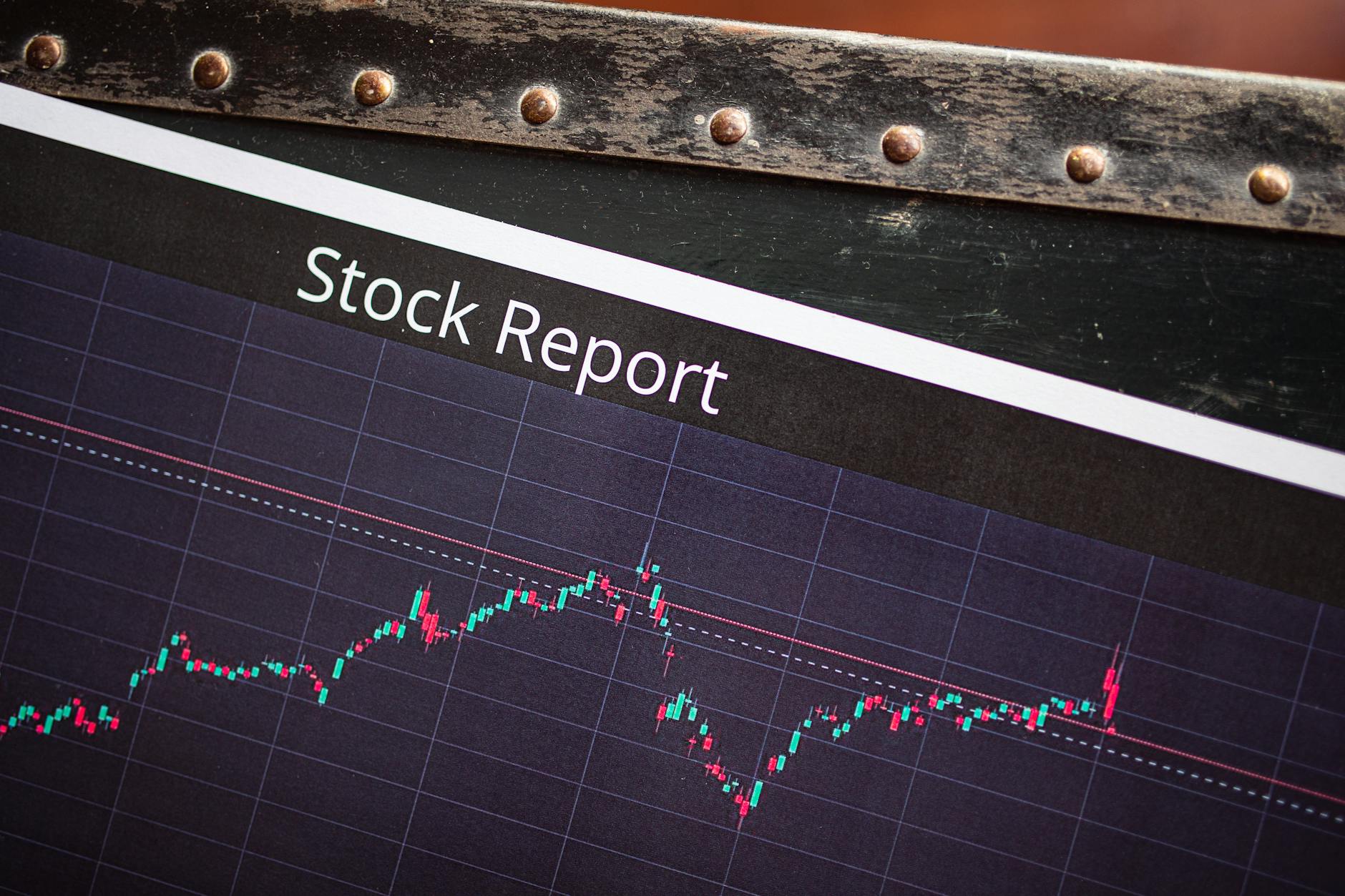
Stock market volatility has made the guaranteed returns of CDs particularly attractive. Major indices have experienced significant swings as investors grapple with inflation concerns, geopolitical tensions, and economic uncertainty. The technology sector, long a driver of market gains, has faced particular headwinds with rising interest rates making growth stocks less appealing.
Recent market corrections have highlighted the value of capital preservation. While growth stocks can deliver spectacular returns, they can also produce devastating losses. CDs eliminate this downside risk entirely, making them appealing to investors approaching retirement or those who have already experienced significant portfolio volatility.
The comparison becomes even more favorable when considering after-tax returns. CD interest is taxed as ordinary income, but so are stock dividends in most cases. Capital gains taxes apply only when stocks are sold, but the recent market volatility has made many investors hesitant to realize those gains.
Strategic Implications for Different Investor Types
The high-yield CD phenomenon is reshaping investment strategies across demographic groups. Baby boomers and Generation X investors, who lived through multiple market crashes, are increasingly drawn to guaranteed returns. Many are shifting significant portions of their portfolios from stocks to CDs, viewing the current rate environment as a rare opportunity for safe growth.
Younger investors face a different calculation. While CDs offer attractive short-term returns, the stock market’s long-term growth potential remains compelling for those with decades until retirement. However, many millennials are using high-yield CDs for emergency funds and short-term savings goals, recognizing that their cash reserves can now generate meaningful income.
The impact extends beyond individual investors. Regional banks struggling with commercial real estate losses are using competitive CD rates to attract deposits and stabilize their funding base. This strategy helps banks maintain liquidity while offering consumers attractive returns.
Financial advisors are adjusting recommendations accordingly. The traditional 60/40 stock-bond portfolio allocation is being reconsidered as CDs provide a compelling alternative to bonds. Many advisors now suggest allocating 10% to 20% of portfolios to high-yield CDs, particularly for conservative investors or those nearing major financial goals.
Market Dynamics and Future Outlook
The sustainability of high CD rates depends largely on Federal Reserve policy and broader economic conditions. Current rates reflect the Fed’s commitment to fighting inflation through higher interest rates. If inflation moderates and the Fed begins cutting rates, CD yields will likely decline accordingly.
However, the competitive landscape among banks suggests that CD rates may remain elevated longer than historical patterns would indicate. Banks need deposits to fund lending operations, and the current rate environment has intensified competition for consumer savings. Online banks, in particular, have built business models around offering competitive rates to attract deposits without the overhead costs of physical branches.
The trend is also influencing related investment products. Savings bonds are making a comeback among conservative investors as government-backed securities offer similar appeal to high-yield CDs. Treasury bills and short-term government bonds are also benefiting from increased investor interest in safe, guaranteed returns.
International factors add another layer of complexity. Global economic uncertainty and currency fluctuations make dollar-denominated CDs particularly attractive to international investors, potentially supporting continued high rates even if domestic demand moderates.

The current environment represents a fundamental shift in the risk-return equation that has governed personal finance for the past decade. High-yield CDs offer something that seemed impossible just a few years ago: competitive returns without market risk. While this situation may not persist indefinitely, it’s providing millions of Americans with an opportunity to grow their savings safely while broader market conditions remain uncertain.
Smart investors are taking advantage of this unique window by securing long-term CDs at current high rates, ensuring guaranteed returns regardless of future Federal Reserve decisions. The stock market will likely resume its long-term upward trajectory, but for now, the safest investment option is also one of the most rewarding.
Frequently Asked Questions
How do current high-yield CD rates compare to stock returns?
Many high-yield CDs now offer 4.5-5.5% guaranteed returns, which often match or exceed recent stock market performance without any risk of principal loss.
Are high CD rates likely to continue?
CD rates depend on Federal Reserve policy and may decline if the Fed cuts interest rates, but competitive banking pressure could keep rates elevated longer than usual.