


Traditional banks are losing ground to a revolution happening in your pocket. Money transfer apps processed over $1.8 trillion in global transactions last year, capturing market share that banks once considered untouchable. From Wise to Remitly, these digital platforms are rewriting the rules of international finance with speed, transparency, and costs that make traditional wire transfers look like relics from another era.
The shift represents more than convenience. It signals a fundamental change in how people and businesses move money across borders, challenging banking institutions that have dominated international transfers for decades through high fees and opaque processes.

Speed That Banks Cannot Match
Traditional international wire transfers typically take three to five business days to complete, requiring multiple intermediary banks and extensive documentation. Money transfer apps like Wise, formerly TransferWise, complete most transactions within minutes or hours. Remitly processes transfers to major markets in under 30 minutes, while WorldRemit offers instant delivery to mobile wallets across Africa and Asia.
This speed advantage stems from modern infrastructure. Apps use real-time payment networks and maintain local banking relationships in multiple countries, eliminating the correspondent banking chains that slow traditional transfers. When someone sends money from New York to Manila through a banking app, funds often arrive before the sender finishes their coffee.
The impact extends beyond personal convenience. Small businesses increasingly rely on these platforms for international payments. A boutique importing textiles from India can pay suppliers instantly rather than waiting days for bank transfers to clear, improving cash flow and supplier relationships.
Transparent Pricing Disrupts Hidden Fees
Banks traditionally profit from international transfers through hidden markup on exchange rates, often adding 3-4% to the mid-market rate while advertising “no fees.” A typical $1,000 transfer might cost $40-50 in hidden charges, money that disappears through unfavorable exchange rates.
Money transfer apps revolutionized this model through radical transparency. Wise shows users the exact mid-market exchange rate and charges a clear, upfront fee typically ranging from 0.4% to 2% depending on the currency pair. Remitly offers locked-in rates, so users know precisely how much money will arrive at the destination.
This transparency forced some traditional banks to respond. JPMorgan Chase and Bank of America now offer more competitive international transfer products, though their fees typically remain higher than dedicated money transfer platforms.
The pricing revolution extends to business transfers. Companies moving larger amounts internationally save thousands monthly by switching from traditional banking relationships to specialized platforms. As business costs rise across sectors, these savings become increasingly important for maintaining competitiveness.

Regulatory Changes Enable Innovation
European regulatory frameworks, particularly the Second Payment Services Directive (PSD2), opened banking infrastructure to licensed fintech companies. This regulatory shift allowed money transfer apps to connect directly with banking systems, reducing costs and increasing speed.
In the United States, partnerships with established financial institutions help apps navigate complex money transmission laws. Wise partners with Community Federal Savings Bank, while Remitly works with Sunrise Banks. These relationships provide regulatory cover while maintaining the technological advantages that drive user adoption.
Regulatory bodies increasingly recognize the benefits these platforms bring to consumers. The Consumer Financial Protection Bureau has generally supported increased competition in money transfers, viewing apps as beneficial alternatives to traditional services.
However, regulatory challenges remain. Different countries impose varying requirements for money transmission licenses, anti-money laundering compliance, and customer verification. Apps must navigate this complex landscape while maintaining the seamless user experience that drives their adoption.
Banking Industry Response and Adaptation
Major banks are not ignoring this disruption. Wells Fargo launched ExpressSend for faster international transfers, while HSBC introduced Global Money Account for multi-currency management. These products represent attempts to match fintech capabilities within traditional banking frameworks.
Some banks pursue partnership strategies rather than direct competition. Goldman Sachs’ Marcus platform integrates with various fintech services, acknowledging that collaboration might prove more effective than competition. Other institutions acquire promising startups to gain technological capabilities quickly.
The response varies by institution size. Smaller community banks often lack resources to develop competitive international transfer products, potentially losing customers to apps over time. Larger institutions have more capacity to innovate but face legacy system constraints that limit agility.
Credit unions present an interesting middle ground. Many partner with existing money transfer networks rather than developing proprietary solutions, maintaining member relationships while offering competitive services.
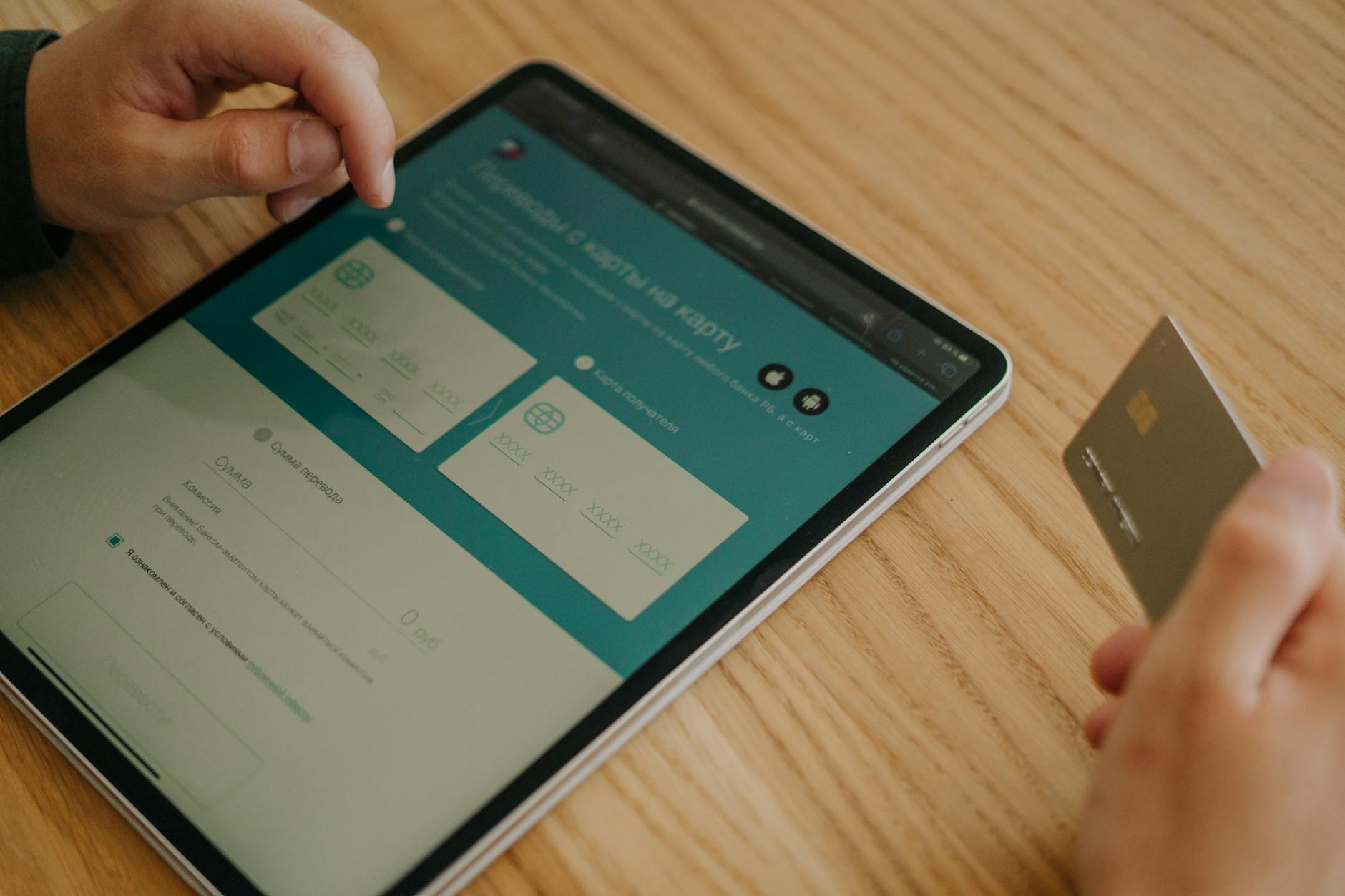
The disruption shows no signs of slowing. Cryptocurrency integration, artificial intelligence for fraud detection, and expanded coverage in developing markets will likely accelerate app adoption. Traditional banks face a choice: embrace radical change or watch customers migrate to platforms that better serve their international money transfer needs.
The winners in this transformation will be consumers and businesses who benefit from lower costs, greater transparency, and faster service. While banks will continue playing important roles in the financial system, their monopoly on international money movement is ending. The future belongs to platforms that prioritize user experience over institutional tradition, making global finance more accessible to everyone from immigrant families to expanding businesses. As investors seek better returns and lower costs across financial products, this trend toward disruption will likely accelerate across banking services beyond just money transfers.
Frequently Asked Questions
How fast are money transfer apps compared to bank wire transfers?
Apps typically complete transfers in minutes or hours, while bank wires take 3-5 business days through multiple intermediary banks.
Are money transfer apps safer than traditional bank transfers?
Licensed apps use bank-level security and partner with established financial institutions while offering greater transparency than traditional services.