


The bank branch on Main Street closed last month. The ATM disappeared six months ago. Now, Sarah Mitchell’s family hardware store in rural Nebraska faces a harsh reality: the nearest lender willing to consider her expansion loan is 180 miles away in Omaha.
Mitchell’s predicament reflects a broader crisis sweeping rural America. Major banks are systematically retreating from small business lending in communities with populations under 50,000, leaving entrepreneurs and established businesses scrambling for capital. This exodus threatens to accelerate economic decline in areas already struggling with population loss and infrastructure challenges.
The numbers tell a stark story. Community banks, which historically served as financial lifelines for rural businesses, have shrunk by nearly 70% since 1985. Meanwhile, the largest banks have consolidated lending operations into regional hubs, making face-to-face relationships between bankers and borrowers increasingly rare.

The Economics Behind the Retreat
Banks frame their rural exodus as a simple matter of economics. Processing a small business loan costs roughly the same whether it’s for $50,000 or $500,000, but the profit margins differ dramatically. Rural businesses typically request smaller loans, often under $100,000, while facing higher default risks due to economic volatility in agriculture-dependent regions.
Regulatory compliance costs have compounded these challenges. Post-2008 banking regulations require extensive documentation and risk assessment for all business loans, regardless of size. A loan officer in Chicago can process applications for multiple urban businesses in the same time it takes to evaluate one rural application, given the complexity of agricultural income verification and collateral assessment.
Technology adoption patterns also favor urban lending. Digital loan processing systems work efficiently when borrowers have reliable internet access and sophisticated accounting software. Many rural businesses still operate with paper-based systems, requiring manual processing that banks increasingly view as unprofitable.
Chase, Bank of America, and Wells Fargo have each closed hundreds of rural branches over the past decade. When these institutions maintain a physical presence in small towns, they often limit services to basic banking, referring business loan applicants to regional processing centers where local market knowledge is minimal.
The Credit Desert Phenomenon
Rural business owners describe their lending environment as a “credit desert” – regions where traditional financing sources have vanished, leaving entrepreneurs dependent on personal savings, family loans, or high-interest alternative lenders.
The Small Business Administration’s own data reveals concerning trends. SBA-guaranteed loans in counties with populations under 25,000 dropped 40% between 2015 and 2023. Even when rural businesses qualify for SBA programs, finding participating lenders has become increasingly difficult.
Alternative lenders have filled some gaps, but at significant cost. Online lending platforms charge interest rates often exceeding 20% annually, compared to traditional bank rates typically ranging from 6% to 12%. These higher costs particularly burden agricultural businesses with seasonal cash flows and thin margins.
Credit unions remain more committed to rural lending than commercial banks, but their resources are limited. The average rural credit union manages assets under $100 million, restricting their ability to fund substantial business expansion projects. Many credit unions focus primarily on consumer lending, lacking the commercial expertise that growing businesses require.

Community Development Financial Institutions (CDFIs) have emerged as crucial players in rural business lending. These mission-driven organizations receive federal funding to serve underserved markets, but their capacity remains insufficient to replace departed commercial banks. CDFI lending volumes, while growing, represent only a fraction of the credit previously available through traditional banking relationships.
Real-World Consequences for Rural Entrepreneurs
The lending shortage creates cascading effects throughout rural economies. Manufacturing businesses struggle to purchase equipment upgrades that would improve competitiveness. Retail establishments cannot expand inventory or renovate aging storefronts. Service companies delay hiring additional employees without access to working capital.
Jennifer Adams owns three restaurants across small Iowa towns. When she sought financing to install energy-efficient kitchen equipment last year, local banks directed her to online applications processed by algorithms that couldn’t account for her businesses’ seasonal revenue patterns. The automated systems rejected her applications despite fifteen years of profitable operations and strong community ties.
Agriculture-related businesses face particularly acute challenges. Feed stores, equipment dealers, and grain elevators require substantial credit lines to manage seasonal inventory fluctuations. Without local banking relationships, these businesses struggle to secure the flexible financing arrangements that agricultural cycles demand.
The construction industry demonstrates how credit shortages compound rural economic problems. Contractors need equipment loans and project financing to bid on infrastructure projects that could improve community economic prospects. However, limited lending options force many contractors to relocate to urban areas where capital access is more reliable.
Professional services also suffer. Law firms, accounting practices, and medical offices often require startup capital or expansion funding. Young professionals increasingly choose urban practice locations partially due to better access to business credit, accelerating the rural brain drain that further weakens local economies.
Government and Industry Responses
Federal agencies recognize the rural credit crisis but struggle to implement effective solutions. The USDA’s Rural Business Development Grant program provides some assistance, but funding levels remain modest compared to overall need. Recent proposals to expand CDFI funding face uncertain legislative prospects amid broader federal budget constraints.
Some states have launched their own initiatives. Iowa created a linked deposit program that encourages banks to make rural business loans by offering below-market rates on state deposits. North Dakota’s Bank of North Dakota, the nation’s only state-owned bank, actively partners with community banks to provide rural business credit.
Industry consolidation continues despite regulatory concerns. The Federal Reserve and FDIC have tightened oversight of bank mergers, particularly scrutinizing deals that might reduce rural credit access. However, regulators face political pressure to avoid blocking transactions that banks argue improve operational efficiency.
Fintech companies promise technological solutions, but rural internet infrastructure limitations constrain digital lending adoption. Even when broadband access exists, many rural business owners prefer in-person banking relationships that facilitate complex financing decisions. Trust remains a crucial factor in lending relationships, particularly for agricultural businesses with generational banking ties.
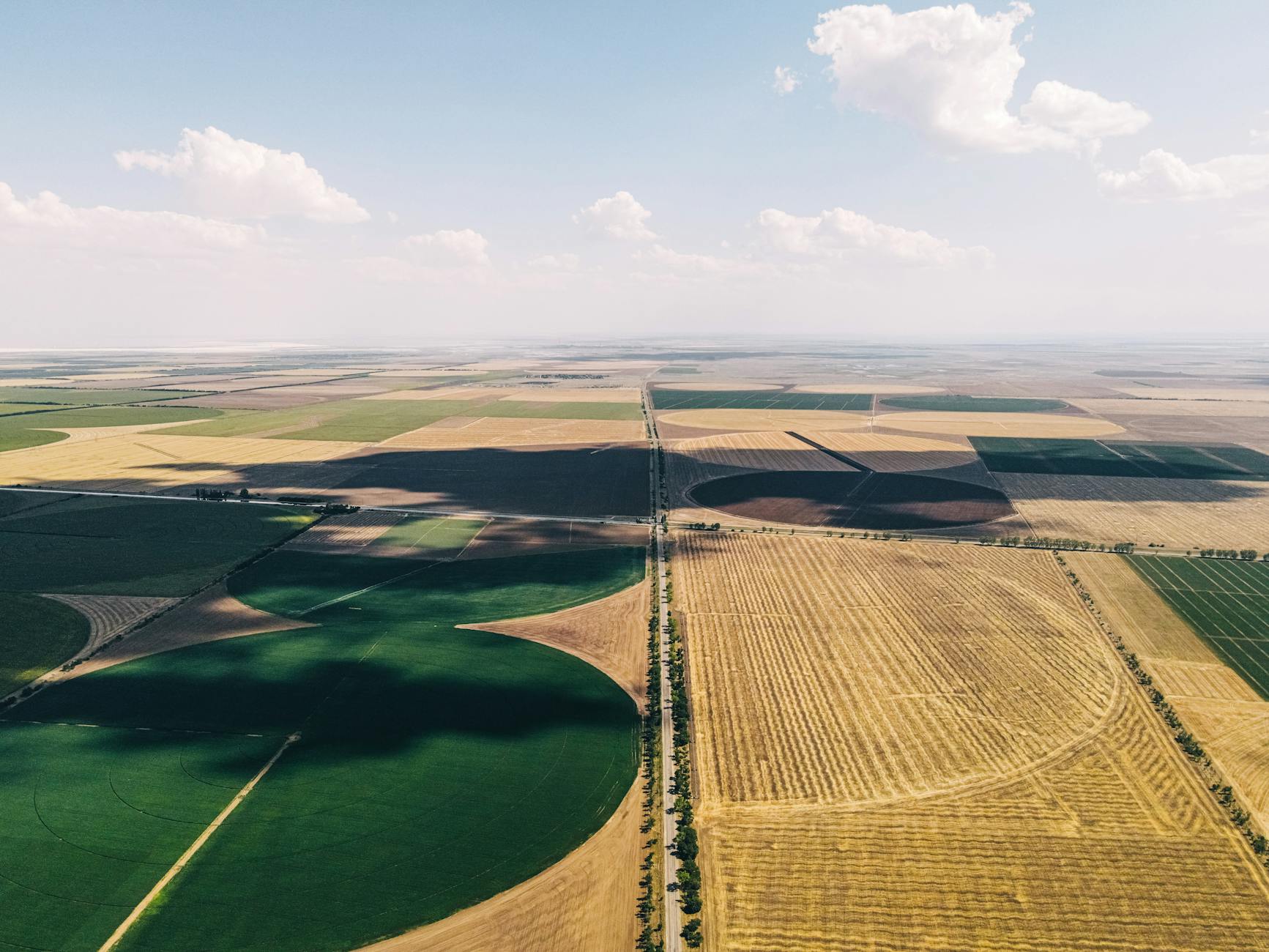
Several community banks have bucked industry trends by doubling down on rural markets. These institutions argue that intimate local knowledge provides competitive advantages in risk assessment and customer retention. However, their limited capital bases restrict their ability to fund larger business expansion projects that could drive significant economic development.
The future of rural business lending appears to depend on policy interventions and innovative partnership models. Some experts advocate for postal banking services that could provide basic business credit in underserved areas. Others propose tax incentives encouraging large banks to maintain rural lending commitments.
Rural communities cannot afford to wait for perfect solutions. Business owners increasingly band together to form lending cooperatives and investment clubs. Local governments explore public-private partnerships that could attract private capital investment. These grassroots efforts, while promising, lack the scale necessary to fully address the credit shortage.
The stakes extend beyond individual business success. Rural economic vitality depends on entrepreneurs having access to capital for innovation and growth. Without reliable credit sources, rural America risks becoming increasingly disconnected from broader economic opportunities, accelerating population decline and infrastructure deterioration.
As traditional banks retreat from rural markets, creative solutions must emerge to prevent entire regions from becoming economic backwaters. The challenge requires coordinated efforts from government, industry, and communities themselves to rebuild the financial infrastructure that rural businesses need to thrive.
Frequently Asked Questions
Why are banks leaving rural areas?
Banks cite lower profit margins on smaller loans and higher regulatory compliance costs compared to urban lending opportunities.
What alternatives exist for rural business loans?
Credit unions, CDFIs, and online lenders provide some options, though often at higher interest rates or with limited capacity.