

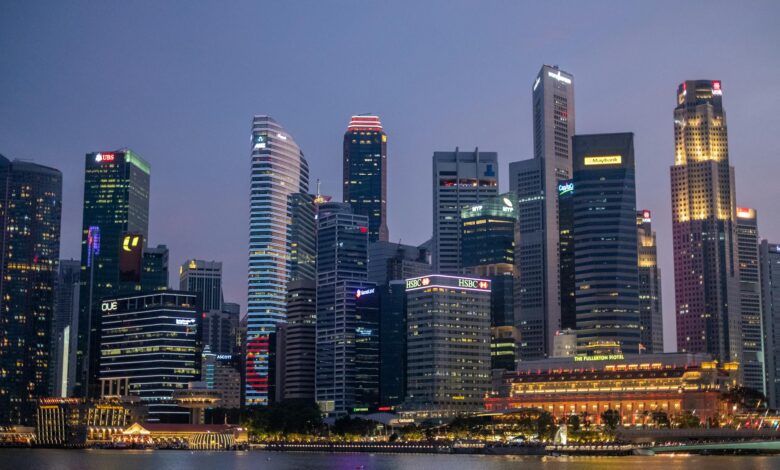
Singapore’s private banking sector has quietly become the preferred destination for America’s wealthiest families, with assets under management at Singapore-based wealth managers growing by 15% annually over the past three years. This shift represents more than just geographic diversification – it signals a fundamental change in how ultra-high-net-worth Americans view financial security and global market access.
The movement gained momentum following increased reporting requirements under the Foreign Account Tax Compliance Act (FATCA) and ongoing discussions about wealth taxes in Congress. While compliance remains mandatory regardless of banking location, wealthy Americans are seeking jurisdictions that offer both regulatory stability and sophisticated financial services without the political uncertainty surrounding domestic wealth policies.
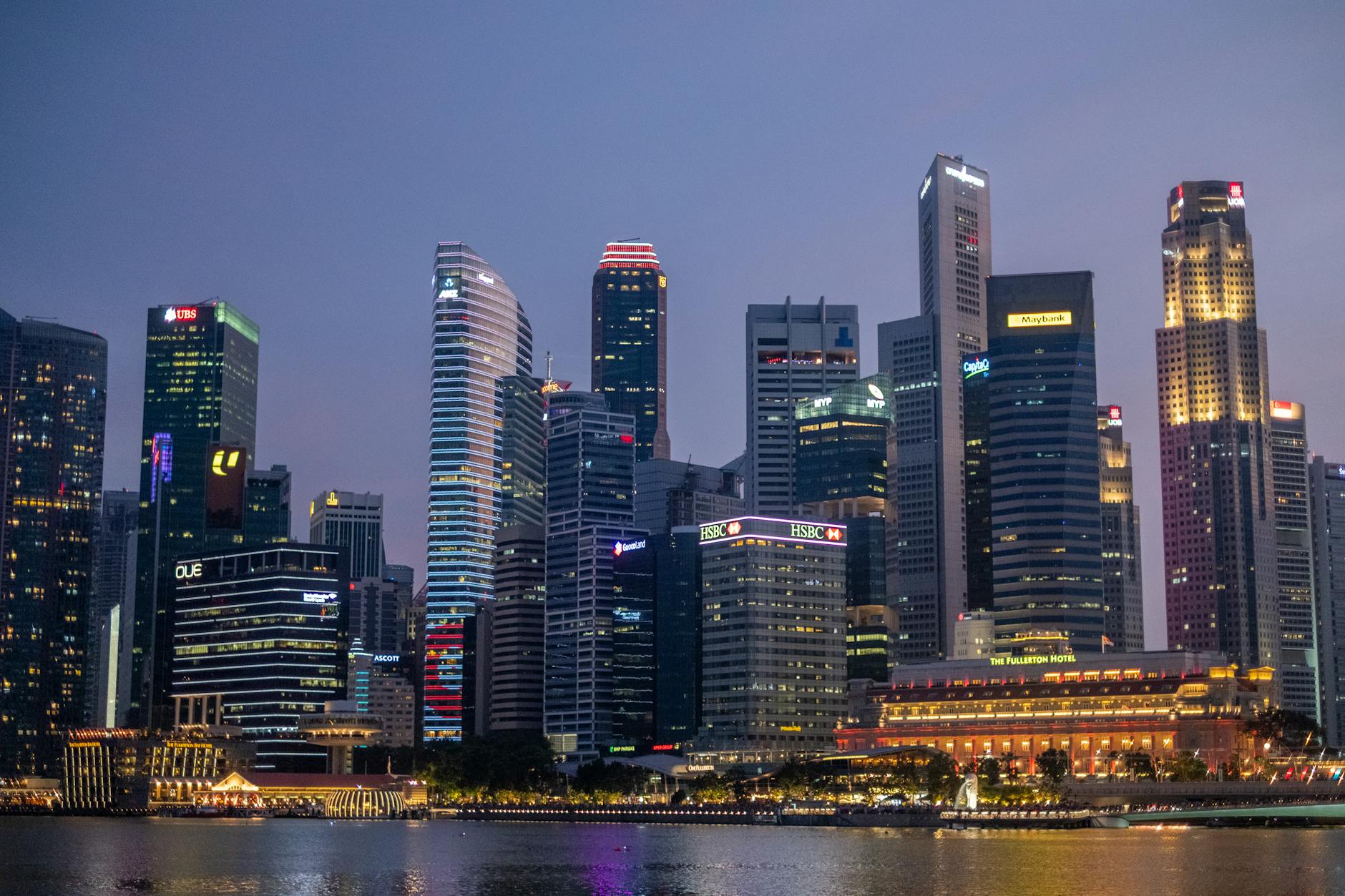
Singapore’s Strategic Banking Advantages
Singapore has positioned itself as Asia’s premier financial hub through deliberate policy choices that attract international wealth. The city-state offers political stability, a robust legal system based on English common law, and banking secrecy protections that, while not absolute, provide more privacy than traditional offshore centers now subject to increased international scrutiny.
The Monetary Authority of Singapore maintains strict oversight of financial institutions while fostering innovation. This regulatory approach has attracted major global banks to establish significant private banking operations in Singapore, including UBS, Credit Suisse, JPMorgan Private Bank, and Goldman Sachs Private Wealth Management.
Singapore’s tax structure adds another layer of appeal. The country does not impose taxes on capital gains, dividends from foreign sources, or inheritance. For wealthy Americans establishing family offices or investment holding companies, Singapore’s territorial tax system means only Singapore-sourced income faces taxation, creating significant advantages for international investment strategies.
The ease of doing business ranks among Singapore’s strongest selling points. The World Bank consistently ranks Singapore in the top five globally for business environment, with streamlined procedures for establishing financial entities and clear regulatory frameworks that reduce compliance uncertainty.
Family Office Migration Accelerates
The family office trend represents the most significant aspect of this wealth migration. Singapore has become home to over 700 family offices, with approximately 200 established in the past two years alone. These structures allow wealthy families to manage investments, philanthropy, and succession planning from a single jurisdiction while accessing Asian markets during their most dynamic growth period.
American families are particularly drawn to Singapore’s family office incentive schemes. The Variable Capital Company structure, introduced in 2020, provides tax efficiencies for fund management activities while maintaining operational flexibility. Family offices meeting certain criteria can qualify for tax exemptions on qualifying income, making Singapore competitive with traditional offshore jurisdictions.
The concentration of ultra-high-net-worth individuals has created a ecosystem of supporting services. International law firms, accounting practices, and wealth management specialists have established significant operations in Singapore, providing the professional infrastructure that wealthy families require for complex financial planning.
Access to Asian Growth Markets
Singapore serves as the gateway to Asian markets, where many of the world’s fastest-growing economies are located. For American investors, this geographic positioning provides access to opportunities in China, India, Southeast Asia, and Australia through a familiar regulatory and language environment.

The depth of Singapore’s capital markets has expanded dramatically. The Singapore Exchange now hosts numerous international companies, real estate investment trusts, and fixed-income products that provide diversification beyond Western markets. Private equity and hedge fund managers have established regional headquarters in Singapore, giving wealthy families access to alternative investments focused on Asian growth stories.
Currency diversification plays an increasingly important role in wealth preservation strategies. Singapore’s banking system provides easy access to multiple currencies, allowing wealthy Americans to maintain exposure to Asian currencies, commodities, and emerging market assets while avoiding some of the volatility associated with direct investment from U.S. bases.
The time zone advantage cannot be understated. Singapore’s position allows for real-time trading and communication with both Asian markets during their business hours and European markets in the afternoon, while still maintaining reasonable communication windows with U.S. markets.
Regulatory Environment and Compliance
Despite moving assets offshore, wealthy Americans cannot escape U.S. tax obligations. The Internal Revenue Service requires reporting of foreign financial accounts through FBAR filings and Form 8938, and Singapore banks comply with FATCA reporting requirements. However, Singapore’s regulatory environment provides certainty about these compliance requirements, unlike some offshore jurisdictions where rules change frequently.
Singapore’s approach to banking regulation emphasizes substance over form. Authorities require genuine business purposes for financial structures, which appeals to American families seeking legitimate tax planning rather than aggressive tax avoidance schemes. This regulatory philosophy aligns with increasing IRS scrutiny of offshore structures lacking economic substance.
The legal system’s predictability attracts American wealth managers and family offices. Singapore courts handle commercial disputes efficiently, and the country has signed numerous double taxation treaties that prevent income from being taxed twice. For families with international business interests, these treaties provide clear frameworks for managing tax obligations across multiple jurisdictions.

Looking Forward
The trend toward Singapore banking shows no signs of slowing as American families increasingly view geographic diversification as essential for long-term wealth preservation. The city-state continues investing in financial infrastructure, recently announcing plans to expand its sustainable finance capabilities and digital banking services.
Singapore’s position could strengthen further as traditional safe-haven investments face new challenges and wealthy Americans seek alternatives to domestic banking relationships. The country’s commitment to maintaining its status as a neutral financial center, combined with ongoing Asian economic growth, positions Singapore as a permanent fixture in global wealth management rather than a temporary trend.
As regulatory pressures increase in traditional offshore jurisdictions and domestic political discussions around wealth taxation continue, Singapore’s combination of stability, sophistication, and growth access will likely attract even more American wealth in the coming years. The infrastructure now being established will serve as the foundation for decades of cross-Pacific wealth management relationships.
Frequently Asked Questions
Do Americans still owe taxes on money in Singapore banks?
Yes, Americans must report and pay taxes on worldwide income regardless of where assets are held.
What makes Singapore attractive for wealthy families?
Singapore offers political stability, sophisticated banking services, Asian market access, and favorable family office structures.