

The Quiet Bet on Pre-Owned Prestige
Family offices – the private investment arms managing generational wealth for ultra-high-net-worth families – have started directing capital toward secondhand luxury goods platforms at a pace that would have seemed unlikely five years ago. The category once dismissed as consignment-store territory is now attracting serious, strategic money from some of the most conservative pools of private capital in existence.
Why Family Offices Are Moving Into Resale
The appeal is structural, not sentimental. Secondhand luxury operates with remarkably high gross margins because the platforms themselves rarely hold inventory – they connect sellers to buyers and take a cut, which means the capital requirements are low relative to the revenue potential. For family offices that prize capital efficiency and long-term compounding, that model is worth paying attention to.
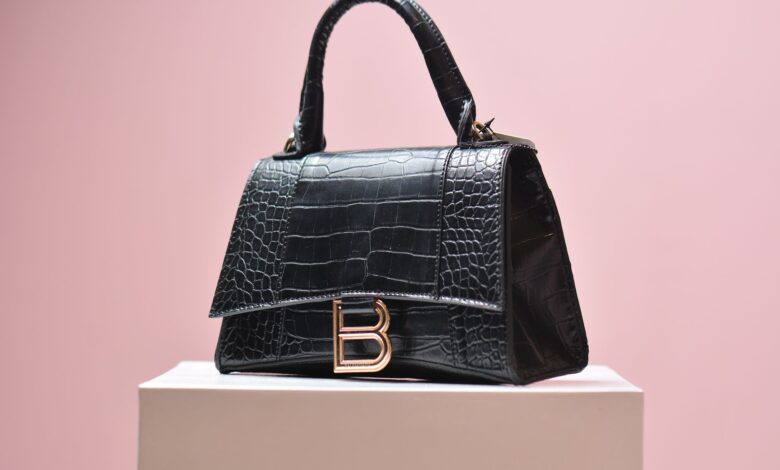
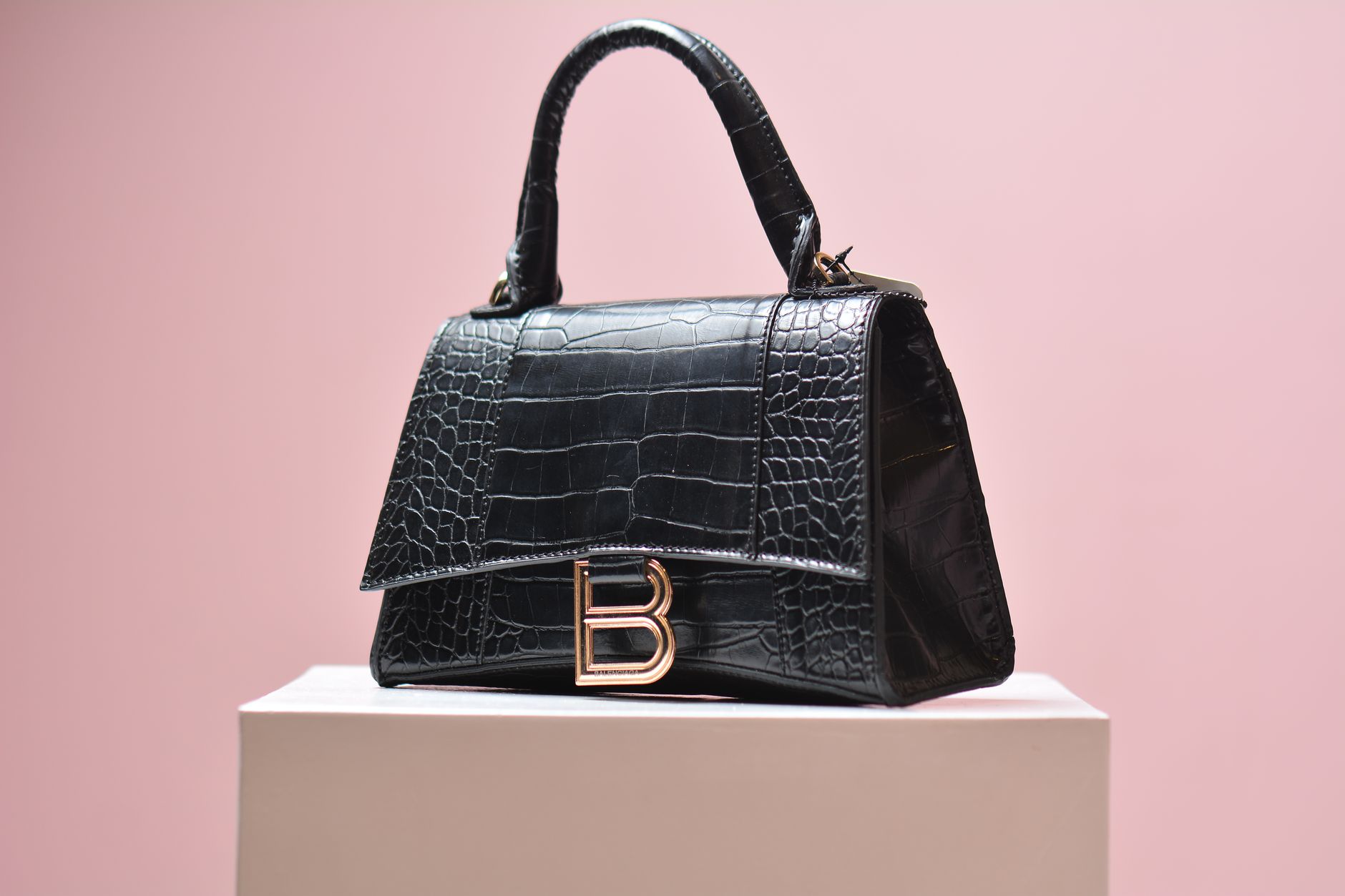
There is also a generational alignment at play. The beneficiaries of many family offices – the second and third generations now entering wealth management decisions – grew up normalizing resale. Buying a pre-owned Hermes bag or vintage Rolex through an authenticated platform carries no stigma for a 30-year-old that it might have carried for their grandparents. When the investment committee includes people who actually use these platforms personally, the due diligence conversation changes tone.
The authentication technology angle matters too. A persistent problem with secondhand luxury has always been counterfeits, and platforms that have built proprietary authentication processes – whether through trained experts, AI-assisted detection, or partnerships with brand archives – have effectively solved the trust problem that kept institutional money away. A family office backing a platform with a credible authentication infrastructure is not betting on fashion trends. It is betting on a defensible technical moat.
These investments also tend to fit neatly within impact or ESG mandates that many family offices have formally adopted. Extending the lifecycle of a luxury good reduces demand for new production, and the circularity angle provides cover for investment committees that need to check more than one box. Whether or not a family patriarch personally cares about circular fashion, the institutional framing makes the investment easier to approve and easier to report to beneficiaries who do care.

The Market Mechanics Behind the Momentum
Secondhand luxury is not a niche anymore. The global market for pre-owned luxury goods has expanded steadily, driven by a combination of price inflation in primary markets – where a new entry-level luxury handbag now costs what a mid-tier bag cost a decade ago – and a growing consumer preference for authenticated vintage over new. When primary luxury becomes less accessible, the secondary market absorbs that demand rather than losing it.
That dynamic creates a counter-cyclical buffer that family offices find genuinely attractive. During economic downturns, new luxury spending contracts sharply, but resale can actually gain volume as sellers liquidate assets and budget-conscious luxury consumers shift to pre-owned. The same recession that would hurt a stake in a primary luxury retailer might benefit a well-positioned resale platform. For a portfolio built around wealth preservation, that asymmetry is valuable.
The competitive structure of the resale market is also still early enough that well-capitalized platforms can build defensible positions. Unlike e-commerce broadly – where the winners are entrenched and the barriers to competition are enormous – secondhand luxury still has room for category specialists to dominate specific niches. Watches, handbags, jewelry, and streetwear each have distinct authentication requirements and buyer behaviors, which means a platform built specifically for one category can outperform a generalist marketplace. Family offices with patient capital are well-suited to back that kind of category-specific growth story without the pressure to exit on a venture timeline.
Private label data is another underappreciated asset these platforms accumulate. A resale platform that has processed tens of thousands of transactions knows which brands hold value, which colorways appreciate, and how pricing shifts seasonally – data that has value well beyond the transaction itself. Some of these platforms are beginning to license pricing intelligence to insurance companies, estate planners, and wealth managers who need accurate valuations for luxury asset portfolios. That secondary revenue stream is exactly the kind of business model evolution that family office investors look for when assessing long-term value. Family offices that manage wealth across generations are already familiar with the complex task of valuing and transferring illiquid assets, and luxury goods held as collectibles present the same challenge.
The exit landscape, while not fully formed, is becoming clearer. Several resale platforms have gone public or been acquired by larger luxury conglomerates looking to control the secondary market for their own brands – a dynamic that creates multiple realistic liquidity paths. That matters enormously for family offices, which are not venture funds and generally require a believable exit scenario before committing capital.
What the Investment Structure Actually Looks Like

Most family office participation in this space is happening through minority growth equity rounds rather than lead positions. A family office will often come in alongside a venture or growth equity firm, contributing capital in exchange for a board observer seat and access to deal flow in adjacent categories. The check sizes tend to sit in the range where a family office can maintain meaningful ownership without taking on the operational exposure of a controlling stake – enough to matter financially, not enough to require active management. These investments rarely surface in press releases, which is precisely the point.
The bigger question hanging over the category is how the primary luxury brands themselves respond. Several major houses have begun experimenting with their own certified pre-owned programs, which could either legitimize the broader resale ecosystem or cannibalize the independent platforms that family offices have backed. A brand-controlled resale channel comes with authentication credibility but also pricing rigidity – it will never offer the breadth or the deals that independent platforms can. Whether luxury brands build, buy, or compete against the resale market is the variable that no investor in this space has fully priced in.
Frequently Asked Questions
Why are family offices investing in secondhand luxury platforms?
The platforms offer high gross margins with low inventory risk, authentication technology moats, and counter-cyclical demand that aligns with wealth preservation goals.
What does a typical family office investment in resale look like?
Most take minority growth equity stakes alongside venture or growth equity firms, giving them financial exposure without operational control of the business.