The Quiet Accumulation of a New Kind of Water Right
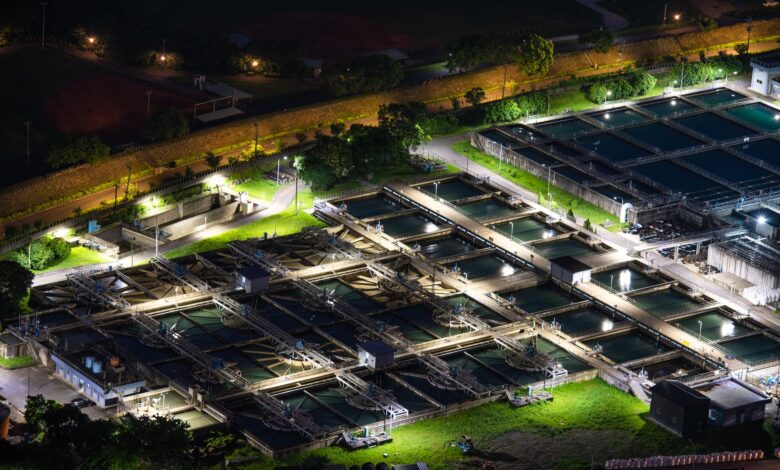
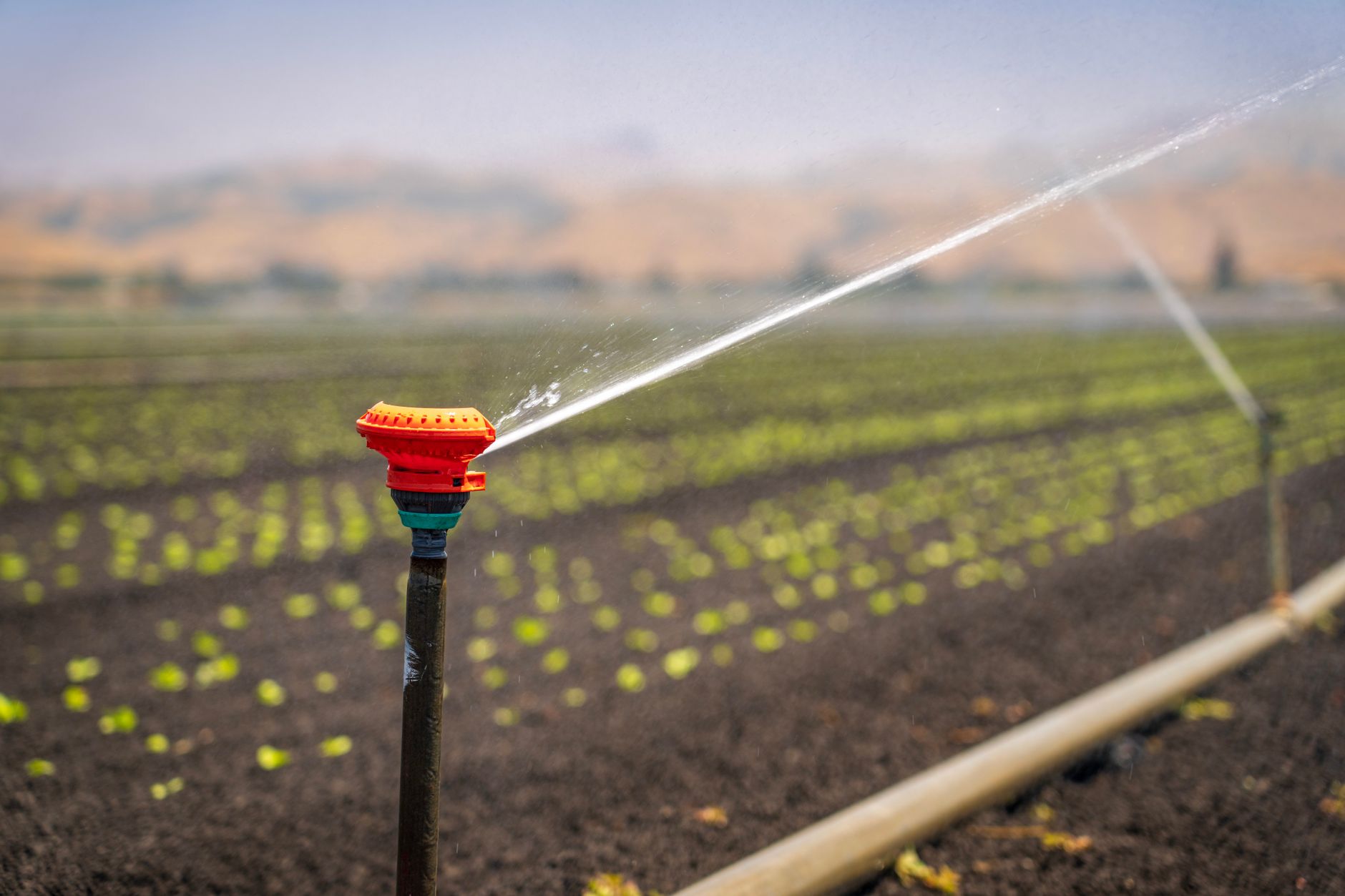
University endowments and large institutional foundations have begun acquiring a highly specific class of infrastructure asset: easements that grant the holder rights to reuse treated wastewater for agricultural irrigation, industrial cooling, and groundwater recharge. These instruments sit at the intersection of water law, real property rights, and environmental compliance – and most investors outside the institutional space have never heard of them. The positions are being built slowly, through private transactions that rarely generate press releases or regulatory filings visible to retail investors.
What makes this trend worth watching is the structural logic behind it. As freshwater scarcity becomes an operating constraint for agriculture and manufacturing across the American West and parts of the Southeast, the legal right to access treated effluent – water that would otherwise be discharged – carries real economic value. Endowments, which manage capital across multi-decade horizons, are well-positioned to hold illiquid property rights that may not generate returns for years but appreciate as water stress intensifies.
What a Wastewater Reuse Easement Actually Is
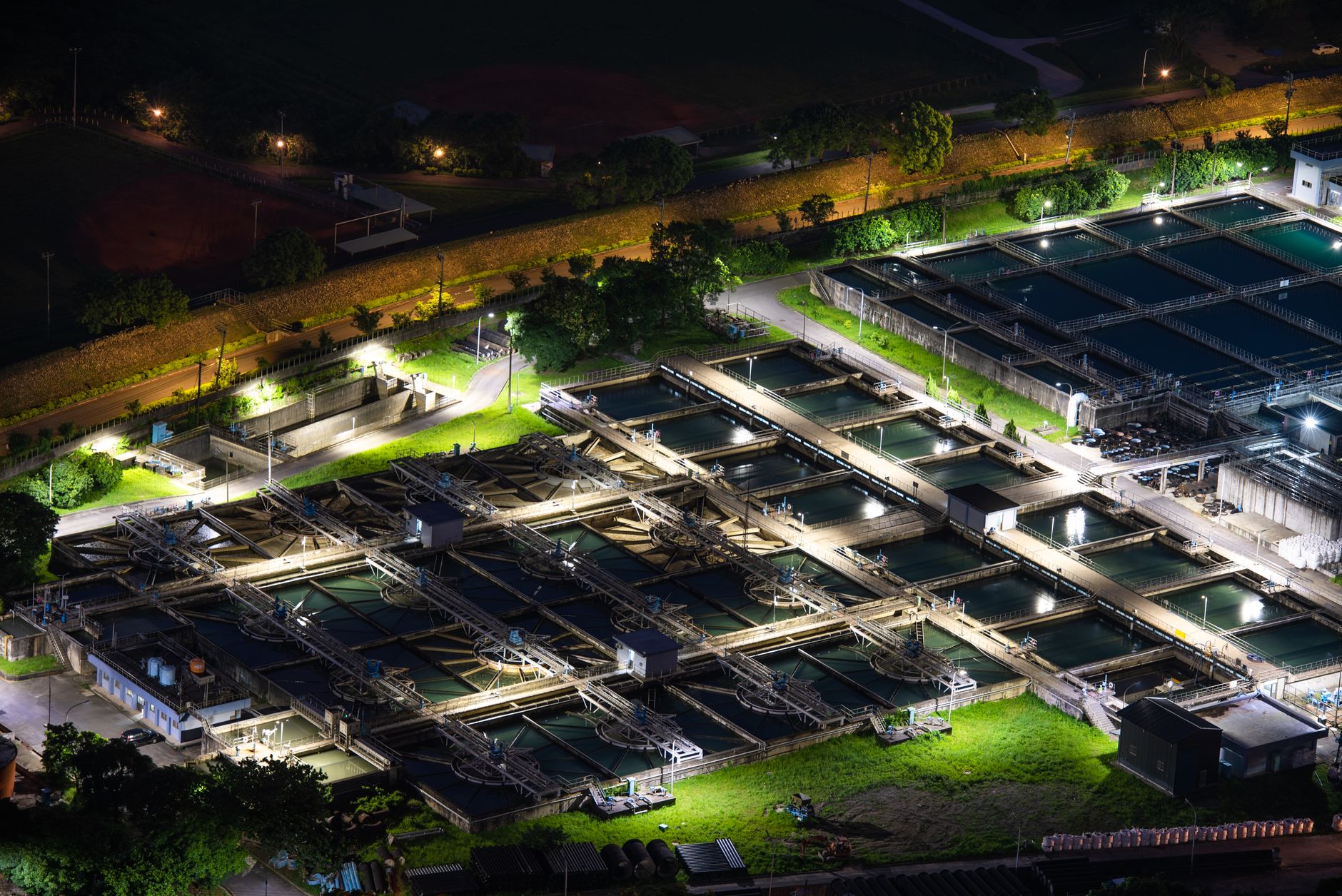
A wastewater reuse easement is a legal agreement – typically attached to a parcel of land or a water treatment facility – that grants a third party the right to receive, transport, and apply treated effluent for a specified purpose. The easement holder does not own the treatment facility or the underlying land. What they own is a contractual and property-law-backed entitlement to a defined volume of reclaimed water under defined quality conditions. That entitlement runs with the land or facility and can often be transferred, subdivided, or pledged as collateral.
These are not water rights in the traditional prior appropriation sense. They do not grant access to a natural water body. Instead, they represent a claim on the output of a man-made treatment process – which means they are partly insulated from drought conditions that can trigger curtailments on surface water rights. In drought years, when rivers run low and senior appropriators call water back, treated effluent continues to flow as long as the treatment plant is operating. That resilience is precisely what draws long-duration capital toward this asset class.
Why Endowments Are the Right Buyer
Most institutional investors are structurally ill-suited to hold assets that take a decade or more to generate meaningful cash flow. Pension funds face actuarial pressure to match liabilities on a rolling basis. Hedge funds typically operate on two-to-three year horizons and answer to limited partners who want liquidity. Endowments face none of these constraints in the same way – a university endowment managing capital for a perpetual institution can hold a wastewater easement for fifteen years without any pressure to mark it to market or explain the position to quarterly redemption requests.
The return profile of these instruments is also a good fit for endowment portfolio construction. They generate modest income – sometimes through lease arrangements with agricultural operators or industrial users who pay for access to the reclaimed water – but the primary thesis is appreciation as regulatory and physical water scarcity tightens. That combination of low current yield and high terminal value aligns with how endowments already think about timberland, conservation easements, and other real asset categories they have held for decades.
There is also a mission-alignment argument that endowments find easier to make than purely profit-seeking institutions. Many university and foundation investment offices operate under ESG mandates that favor assets tied to resource efficiency and environmental stewardship. Wastewater reuse reduces discharge into natural waterways, decreases the demand pressure on freshwater sources, and supports regional water security – a set of outcomes that fits neatly into responsible investment frameworks without requiring any compromise on return expectations.
The accumulation of water utility revenue bonds by hedge funds over recent years laid some of the intellectual groundwork for thinking about water infrastructure as a legitimate asset class. Endowments appear to be taking that logic further down the capital stack, into instruments that are more illiquid but carry direct exposure to physical water access rather than just the credit of utilities that manage it.
The Regulatory Architecture That Makes These Assets Work
Wastewater reuse is governed by a patchwork of state regulations, and the enforceability and value of reuse easements varies significantly depending on jurisdiction. States like California, Arizona, Texas, and Florida have relatively mature regulatory frameworks for reclaimed water – clear quality standards, permitted uses, and legal mechanisms for transferring reuse entitlements. That regulatory clarity is what converts a contractual arrangement into something that can be valued, insured, and held as a property interest.
In states where reuse regulations are still developing, the risk profile is materially different. An easement acquired today in a state that has not yet clarified the property status of reclaimed water entitlements could face legal ambiguity if the regulatory framework shifts. Endowments acquiring these positions are doing so selectively, concentrating in jurisdictions where the legal infrastructure is already in place.

The Open Questions That Will Shape This Market
Several structural uncertainties remain unresolved. The first is valuation. Unlike farmland or timber, there are no established appraisal methodologies for wastewater reuse easements, no active secondary market, and very few comparable transactions that would allow a buyer to test whether they paid a fair price. Endowments are accepting that opacity as the cost of early-mover positioning, but it creates governance challenges when investment committees require defensible marks on illiquid holdings.
The second question involves climate policy and infrastructure funding. Federal investment in water recycling infrastructure – treatment upgrades, reclaimed water distribution systems, aquifer recharge projects – directly increases the value of downstream easements by expanding the volume and reliability of treated effluent available. If federal infrastructure spending on water recycling remains robust, easement values appreciate. If funding stalls, the operational infrastructure those easements depend on may not materialize on the timelines endowments are underwriting.
The third tension is legal. Water law in the American West has been litigated for more than a century, and new asset classes that sit at the edges of traditional doctrine tend to attract challenges. Whether a wastewater reuse easement constitutes a water right for purposes of state priority systems, whether it can be transferred across county or basin boundaries, and how it interacts with discharge permits under federal clean water law are all questions that courts and regulators have not yet definitively answered. Endowments writing large checks into this space are effectively betting that the legal framework will solidify in a direction that confirms rather than undermines the value of what they are buying.