


The Quiet Accumulation of Branded Real Estate
Branded residences – properties developed in partnership with a hotel group, fashion house, or luxury lifestyle brand – have been quietly shifting from a niche product to a core allocation within family office portfolios. What began as a category dominated by hospitality names like Four Seasons and Ritz-Carlton has expanded into a broader market where automotive brands, watchmakers, and haute couture houses are attaching their names to residential towers from Dubai to Miami to the Maldives. Family offices, which manage the private wealth of ultra-high-net-worth families, are paying close attention.
The appeal goes beyond simple status. These properties carry a built-in management structure, a recognizable brand that supports resale value, and an international footprint that aligns with how wealthy families increasingly live – split across multiple countries, maintaining legal residency in some, lifestyle access in others. For a family office managing complex cross-border wealth, a branded residence abroad is less a vacation home purchase and more a structured international asset with predictable characteristics.
Why the Brand Premium Actually Holds
Unbranded luxury properties in foreign markets carry a specific kind of risk: they depend entirely on local market conditions, property management quality, and the seller’s ability to tell a story at resale. A branded residence offloads much of that narrative burden. The brand itself provides a globally understood shorthand for quality, security, and service standards. A buyer in Singapore or São Paulo already knows what to expect from a particular hotel group’s residential product, which compresses the due diligence cycle and reduces the information asymmetry that makes cross-border real estate so complicated.
This dynamic also supports pricing stability. When comparable unbranded luxury units in the same city experience value corrections during downturns, branded residences tend to hold a floor because the buyer pool is genuinely international – a weakness in one regional market gets offset by demand flowing in from another. Family offices that have watched illiquid real estate positions become trapped during regional slowdowns find that structure worth paying a premium for. The brand premium on entry price, which can range significantly depending on the market and the name attached, is increasingly being treated as a form of liquidity insurance rather than a luxury surcharge.
The service component matters too. Branded residences typically come with hotel-grade property management, concierge services, and maintenance standards that absentee owners – exactly the profile of a family office client – cannot easily replicate through independent property managers in foreign jurisdictions. A family that owns a unit in a branded tower in Lisbon or Phuket doesn’t need to build a local vendor network, navigate language barriers with tradespeople, or worry about who is actually checking on the property between visits. The brand handles it.
There is also a legal and structural convenience dimension. Many branded residence projects are developed with foreign ownership in mind from the start, structured in jurisdictions where freehold ownership by non-residents is explicitly supported. Developers in markets like Dubai, Oman, and parts of Southeast Asia have built product specifically for international capital, which means the legal pathways for family offices acquiring these assets are often cleaner than attempting to buy standard residential property in the same markets through local legal frameworks.
Where Family Offices Are Looking
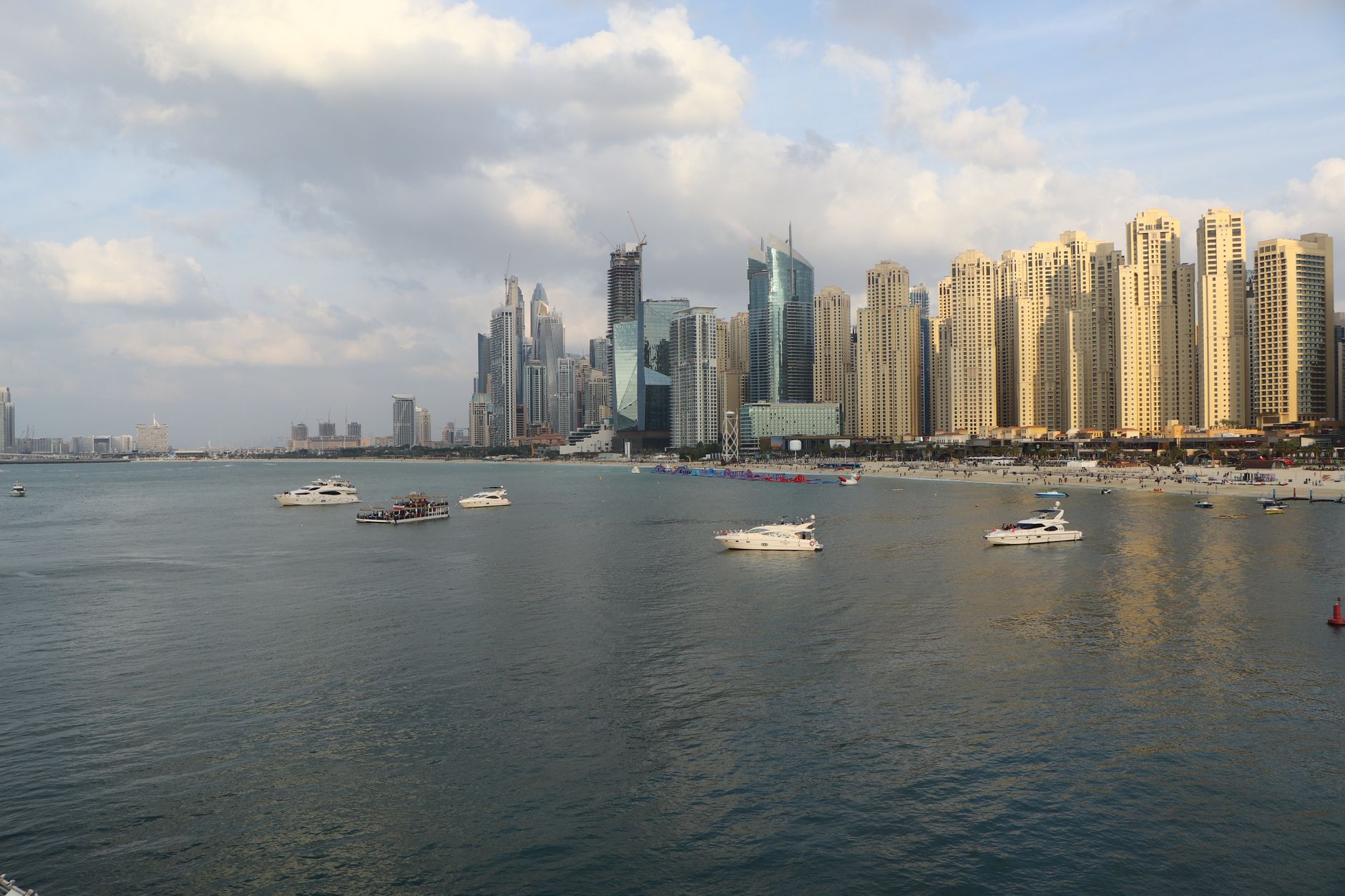
The geographic concentration of family office interest in branded residences has shifted in recent years. Markets like Monaco and Geneva still attract capital, but the more active deal flow is happening in Dubai, which has seen a surge of branded residential launches from both hospitality groups and fashion houses, and in Southern Europe, particularly Portugal and Greece, where residency-linked real estate programs have made property acquisition directly relevant to long-term family planning around citizenship and mobility. The Caribbean, specifically Barbados and the Turks and Caicos, continues to draw buyers who want a combination of political stability, dollar-denominated pricing, and proximity to major financial centers.
What’s notable is the parallel interest in markets that would have been considered secondary choices five years ago. Branded developments in Oman, Saudi Arabia’s emerging resort projects, and parts of Southeast Asia like Vietnam and Indonesia are now appearing in family office deal pipelines. The common thread is not geography but developer credibility – family offices are following known brands into new markets rather than leading with conviction on the markets themselves.
The Portfolio Logic Behind the Allocation
Family offices that hold branded residences rarely treat them as purely speculative plays. The more common framing inside these organizations is as a hybrid asset – part real estate allocation, part lifestyle infrastructure, part contingency planning. A property in a politically stable jurisdiction with strong rule of law provides optionality: it can serve as a family retreat, a long-term rental generating yield in hard currency, or a fallback residence if circumstances at home become complicated. That combination of functions justifies a place in the portfolio that a standard commercial real estate position could not fill.
The yield picture is more nuanced. Branded residences in hotel-managed programs can generate rental income when owners are not in residence, but the gross yields are often modest after management fees and operational costs are accounted for. Family offices that prioritize income over optionality tend to be disappointed by these assets. Those that price them correctly – as low-yield, high-utility, inflation-resistant hard assets with genuine liquidity relative to other foreign real estate categories – tend to hold them without frustration. The allocation works when the expectations going in are calibrated to what the asset actually does. This connects to a broader pattern visible in how family offices are approaching luxury assets generally – seeking structural value and defensibility over pure return maximization.
Currency diversification is another driver that often goes unmentioned in the public conversation about branded residences. A family whose primary wealth is denominated in a currency with long-term depreciation risk – whether that’s a developing market currency or simply a currency the family views as politically exposed – gains meaningful protection by holding a dollar or euro-denominated hard asset abroad. The brand wrapper on the property makes that currency position more liquid and more manageable than a comparable exposure through a locally purchased unbranded unit, which might take years to sell if the family needs to unwind the position quickly.

The developers of these projects understand exactly who their buyers are. Marketing materials for high-end branded residences increasingly read less like real estate pitches and more like wealth management propositions – emphasizing ownership structures, yield programs, and residency implications alongside the architectural photography. That language shift is not accidental. It reflects where the buying power in this market actually sits, and family offices are well aware that the product is being built with their profile specifically in mind. Whether that alignment between developer incentives and buyer interests holds across a full market cycle is the question that hasn’t yet been answered.