Pension Funds Quietly Build Exposure to Compressed Air Energy Storage Leases

The Quiet Accumulation
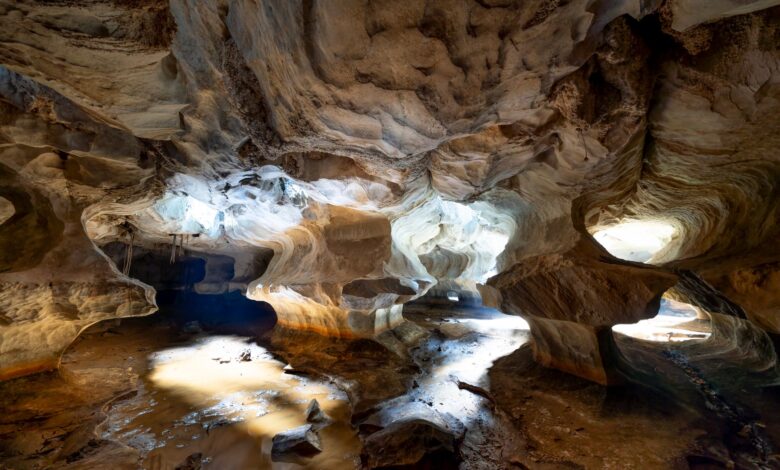
Compressed air energy storage – CAES for short – works on a principle that sounds almost comically simple: excess electricity compresses air into underground caverns or depleted natural gas reservoirs, and that stored air is released later to spin turbines and generate power on demand. No lithium. No cobalt. No battery degradation curve. For large institutional investors sitting on decades-long liability horizons, that combination of low-tech durability and grid-scale capacity has started to look very attractive.
Pension funds are now quietly signing long-term lease agreements for the geological formations that make CAES possible – salt caverns in Texas and Kansas, depleted reservoirs in the Midwest, hard-rock formations in the Pacific Northwest. These are not equity plays in energy companies. They are direct property rights to underground space, structured like real estate leases with inflation-linked rent escalators and multi-decade terms.
The asset class barely had a name five years ago.
Why Underground Space Looks Like a Bond with Upside
The appeal starts with the lease structure itself. A CAES operator – typically a grid services company or a utility – pays a pension fund a fixed annual fee to use a geological formation for air storage. The fund does not operate the equipment, manage the compression process, or carry any liability for energy output. It simply holds the subsurface lease and collects rent. The risk profile is closer to a triple-net commercial lease than to an energy infrastructure investment, which is why pension investment committees have been willing to classify these holdings under real assets rather than alternatives.
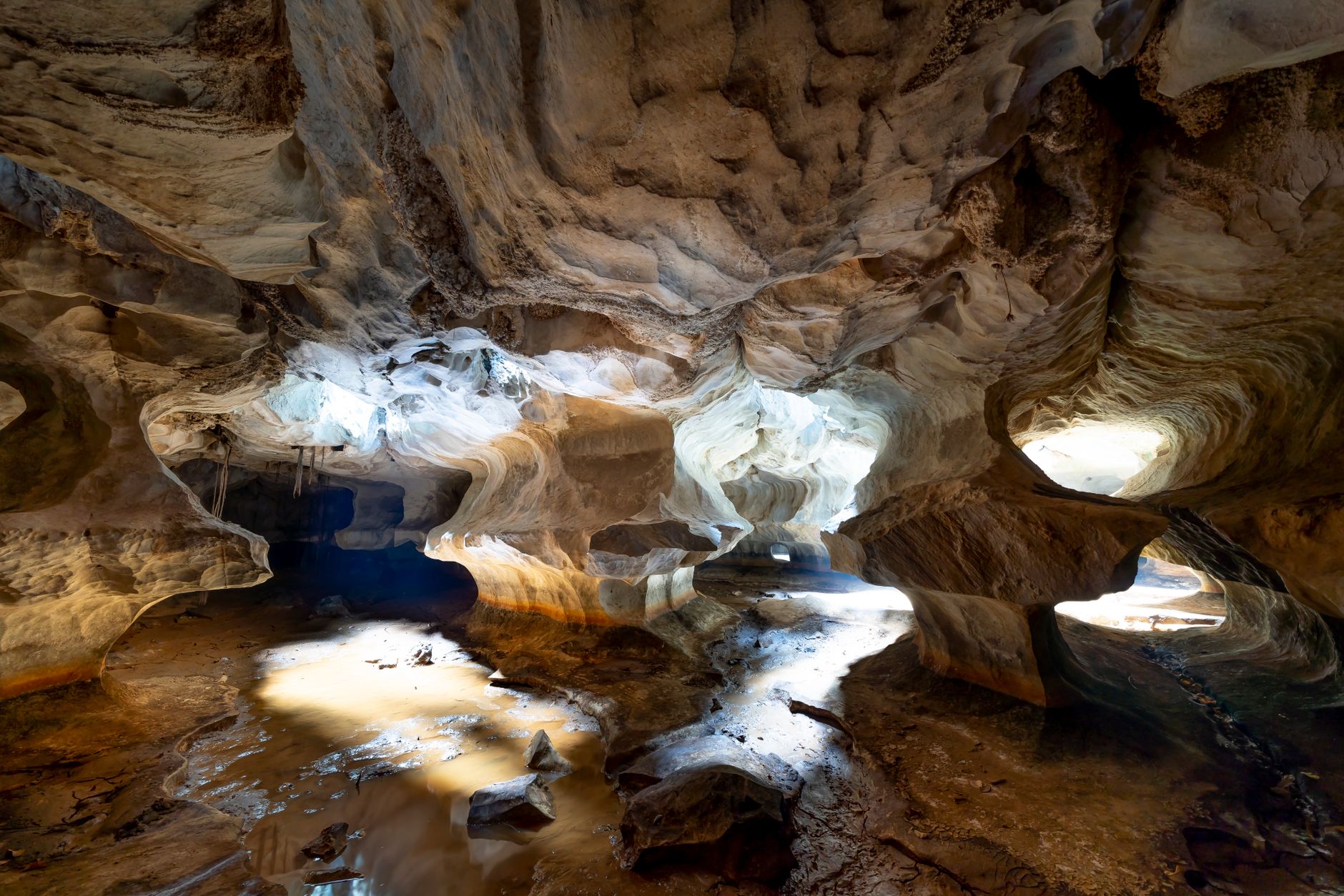
Salt caverns are the most sought-after formation type because they can be cycled – filled and emptied – far more frequently than porous rock reservoirs without structural degradation. A well-selected salt cavern can handle daily or even twice-daily cycling, which makes it useful for short-duration grid balancing rather than only seasonal storage. That operational flexibility makes CAES sites more valuable to operators, which in turn supports higher and more stable lease rates. Pension funds acquiring rights to high-cycle caverns are effectively holding a scarce physical resource with no close substitute.
Geological scarcity is not a marketing concept here – it is a physical constraint. Salt formations of sufficient depth, thickness, and purity to host commercial CAES operations exist in only a handful of states. That scarcity creates a natural ceiling on supply that lithium-ion battery storage, which can theoretically be installed anywhere, does not face. For long-duration investors, owning something that cannot be replicated is a fundamentally different proposition than owning something that can be manufactured at scale.
How the Lease Economics Actually Work
A typical CAES subsurface lease runs 30 to 50 years, with rent structured as a base payment plus a variable component tied to either storage utilization or a CPI-linked escalator. The base payment alone is designed to cover the pension fund’s minimum return threshold – usually something in the range of infrastructure debt returns – while the variable component offers participation in the growing value of grid storage without the fund taking operational risk. Some deals include revenue participation clauses that activate if the operator’s grid services revenue exceeds certain thresholds, giving the landowner-equivalent position a mild equity kicker.
The structures being used resemble what pension funds pioneered with hydropower water rights – separating the physical resource from the operating business and monetizing the underlying property interest on a long time horizon. In both cases, the pension fund holds what is effectively a toll on energy infrastructure without running the infrastructure itself. The legal architecture draws on mineral rights law, real property statutes, and in some jurisdictions, newly created subsurface storage rights frameworks that states have enacted specifically to encourage grid-scale storage development.
Valuations are still being established, which is part of what makes early positioning attractive and part of what makes it risky. There is no liquid market for CAES leases. A fund that acquires rights to a Kansas salt cavern today is pricing that asset based on discounted future lease cash flows, with assumptions baked in about grid storage demand, electricity market pricing, and regulatory treatment of long-duration storage. If any of those assumptions drift, the mark-to-model valuation drifts with them – and unlike a publicly traded REIT, there is no daily price to referee the disagreement.
The Regulatory and Grid Context Driving Demand
State-level clean energy mandates are creating a structural demand pull for long-duration storage that shorter-duration battery systems cannot fill alone. A grid running on 70 or 80 percent intermittent renewables needs storage that can hold energy for hours or days, not just 15-minute ramp events. CAES at the scale of a functioning salt cavern can store hundreds of megawatt-hours – a quantity that would require an enormous battery installation and carry significantly higher per-megawatt-hour capital costs. Grid planners in states with aggressive renewable targets are increasingly treating CAES-capable geological formations as strategic infrastructure, which gives those subsurface lease rights a quasi-public-utility character.
Federal transmission policy is also relevant. When long-distance transmission capacity is constrained, local storage assets gain value because they allow renewable energy to be held and dispatched within a region rather than needing to be wheeled across a congested line. CAES sites located near load centers or at renewable-rich grid nodes carry a locational premium that operators are willing to pay for in lease terms. Pension funds that identified these locations early – before grid planners formalized their storage siting preferences – are sitting on lease positions that would cost substantially more to replicate today.

The accounting treatment remains unsettled at a number of large funds. Some classify CAES leases as real assets alongside timberland and farmland. Others book them under infrastructure, which carries different return expectations and liquidity assumptions. A few are treating early positions as experimental allocations within alternatives buckets, waiting for enough secondary market activity to establish clearer valuation conventions before committing larger capital. That internal categorization debate – mundane as it sounds – will determine how much capital flows into this asset class over the next decade, because allocation limits at most pension funds are category-specific, and a CAES lease that cannot be clearly classified is a CAES lease that many investment committees will not approve.
Frequently Asked Questions
What is a compressed air energy storage lease?
It is a long-term property agreement giving an operator the right to use an underground geological formation – such as a salt cavern – to store compressed air for grid-scale power generation, with the landowner collecting rent.
Why are pension funds interested in CAES subsurface leases?
The lease structure offers inflation-linked, long-duration income without operational risk, and the geological scarcity of suitable formations creates a natural supply constraint that supports asset values over time.