


The Quiet Accumulation Nobody Is Talking About
Airport parking concession debt is not glamorous. It does not generate headlines the way distressed retail bonds or leveraged buyout fallout does. But a growing number of distressed debt funds have been quietly building positions in the debt obligations tied to airport parking operators – concession agreements that were structured during a period of steady air travel growth and are now buckling under the weight of changed consumer behavior and rising operating costs.
The basic structure of these obligations is worth understanding. Airport parking concessions are typically long-term agreements between an operator and an airport authority. The operator pays the airport a concession fee – often a percentage of gross revenue or a minimum annual guarantee – in exchange for the right to manage parking facilities. Operators funded their buildouts and working capital through debt, frequently backed by projected revenue streams that looked stable on a spreadsheet in 2018 and look considerably less so now.
Travel volumes recovered after their worst contraction in decades, but parking revenue did not follow the same curve.

Why the Debt Is Distressed
The structural problem is not simply that fewer people are parking at airports – though that is part of it. Remote work reduced business travel frequency. Ride-hailing services absorbed a larger share of airport drop-offs and pickups than parking operators anticipated when they signed long-term concession agreements. And where parking demand did recover, it skewed toward short-term parking rather than the higher-margin extended-stay lots that anchor most operators’ revenue models. Operators locked into minimum annual guarantee structures have been paying airport authorities for capacity they cannot fill at the rates their debt models assumed.
The debt itself sits in a few different places. Some is held as municipal-adjacent securities tied to airport authority financing structures. Some exists as direct corporate debt on the books of the parking management companies that hold multiple concession agreements across airports. The more interesting – and distressed – tranches are the project-level obligations where a specific facility’s cash flows are the sole collateral. When those cash flows deteriorate, the debt trades at deep discounts, sometimes in the range that distressed specialists find worth underwriting.
Hedge funds that specialize in distressed credit – particularly those with experience in transportation infrastructure and hospitality-adjacent sectors – have the analytical framework to model these positions. The core question they are asking is whether a given concession agreement has enough remaining life, and enough operational flexibility, to support a restructured debt load. In many cases, the answer involves renegotiating the concession fee structure with the airport authority, extending the agreement term, or both. Airport authorities, for their part, often prefer a solvent operator managing their facilities over a default that triggers a management transition mid-concession.

The Restructuring Thesis
The investment thesis that distressed funds are running on these positions follows a pattern familiar from other infrastructure-adjacent debt trades. Distressed buyers acquire the debt at a discount – sometimes steep enough that even a partial recovery of face value represents a strong return. From that discounted basis, there are several paths to value. A consensual restructuring with the airport authority and senior creditors can stabilize cash flows and allow the debt to migrate back toward par over several years. Alternatively, a distressed buyer with enough of a position can influence or control a restructuring process and emerge with equity or a favorable new debt instrument.
This is not entirely different from the playbook that distressed specialists have run on other concession-based assets – toll roads, stadium naming rights debt, and similar long-duration obligations backed by contracted revenue streams. The appeal is that the underlying asset – a physical parking facility attached to a major airport – has tangible value and is not going away. The airport is not closing. The concession agreement, even if renegotiated, preserves some revenue base. That gives distressed buyers a floor that is harder to find in unsecured corporate debt.
The risk, which any honest fund manager will acknowledge, is that the renegotiation process with airport authorities is slow, politically sensitive, and not always rational. Airport authorities answer to boards, municipalities, and in some cases federal oversight structures. A renegotiation that makes financial sense can still stall for eighteen months because the authority’s legal counsel is cautious or because an election cycle makes the governing board reluctant to announce any kind of fee concession to a private operator. Distressed funds that buy in expecting a quick resolution often find themselves waiting through multiple extensions.
Who Is Actually Moving
The funds most active in this space tend to be mid-size distressed specialists rather than the largest multi-strategy platforms. The positions are not large enough in aggregate to move the needle for a fund with tens of billions under management, but for a fund running two to four billion dollars in distressed credit, a cluster of airport parking positions can represent a meaningful allocation with differentiated risk characteristics. Some funds have been pairing these positions alongside other distressed transportation infrastructure debt – including, in some cases, other types of distressed securitized obligations – as a way to build a portfolio that does not correlate directly to equity market swings.
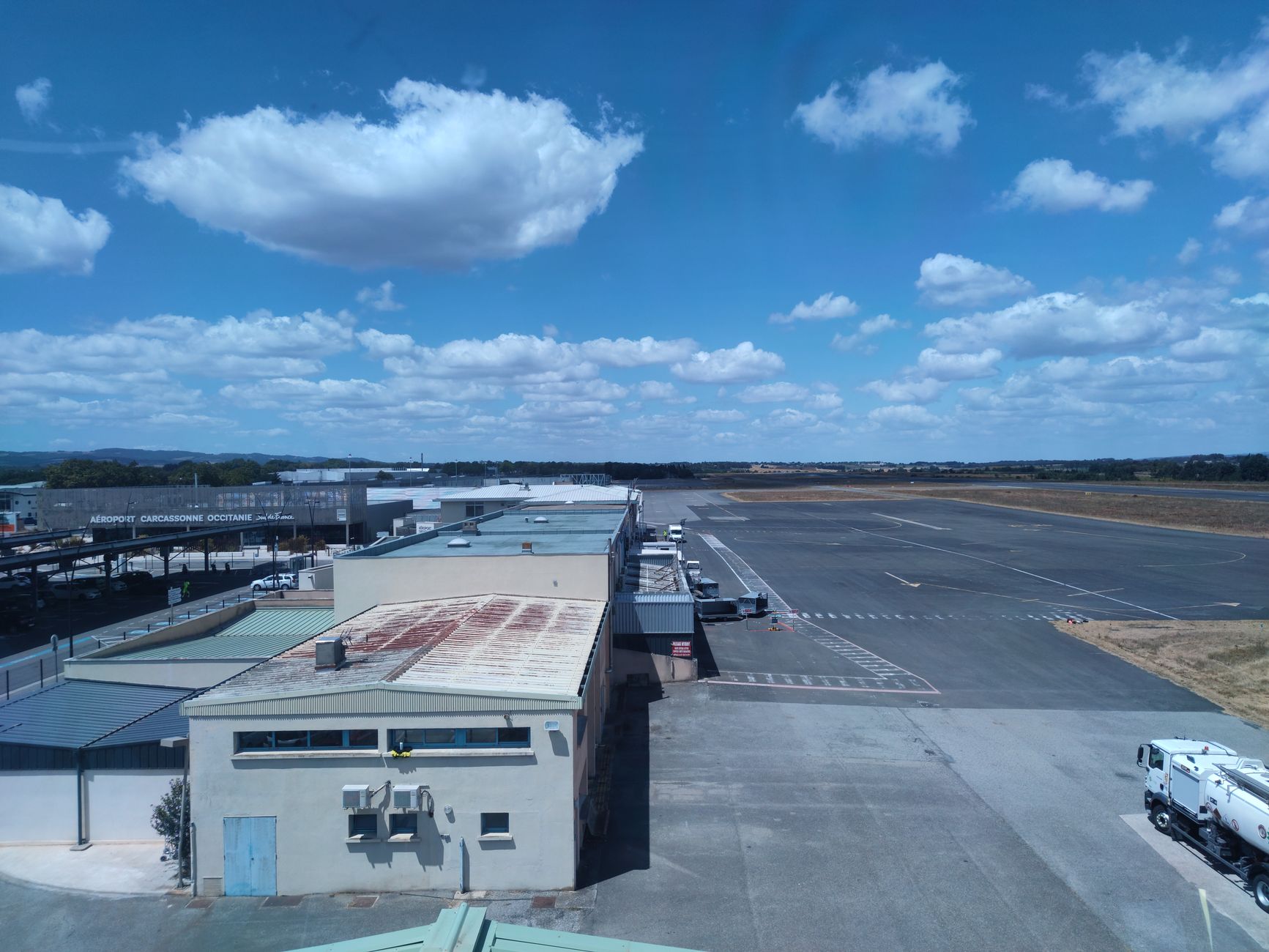
The concession agreements coming up for pressure most visibly are those tied to mid-size regional airports rather than major hub facilities. O’Hare, LAX, and Atlanta’s Hartsfield can support parking operators through demand alone. It is the airports serving secondary markets – where business travel has not rebounded and where ride-hailing penetration is high relative to lot capacity – where the debt is trading at the levels that attract distressed buyers. If those markets do not see a meaningful recovery in extended-stay parking demand over the next two to three years, even a successfully restructured concession will be running thin margins on a renegotiated fee structure, with the fund’s equity upside limited to whatever the operator can extract from a sale or a sub-lease of underutilized lot space.
Frequently Asked Questions
Why is airport parking concession debt distressed?
Operators signed long-term concession agreements with fixed minimum fee obligations before ride-hailing and remote work reduced parking demand, leaving many unable to meet their debt service from current revenue.
How do hedge funds profit from distressed concession debt?
They buy debt at a steep discount and pursue restructuring agreements with airport authorities to stabilize cash flows, aiming to recover value either through debt repayment at improved terms or by gaining equity in a reorganized operator.