

The Quiet Accumulation
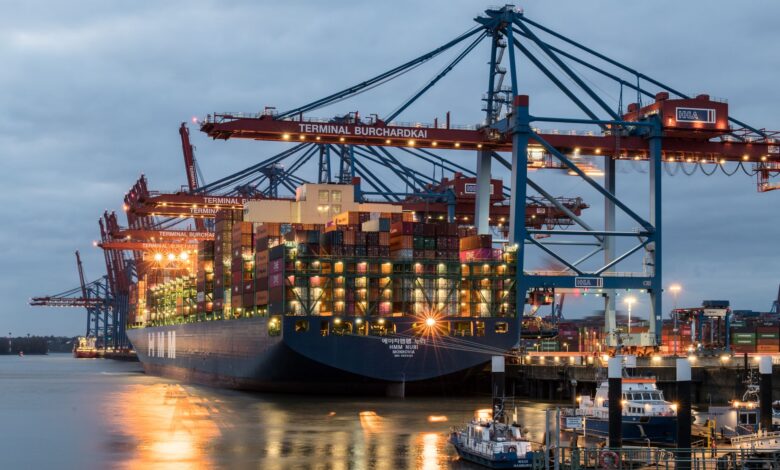
Shipping container lease trusts have spent years on the margins of institutional investing – known mainly to specialist freight finance shops and a handful of infrastructure-focused family offices. That is changing. Pension funds, particularly mid-size public plans managing between $5 billion and $30 billion in assets, have been moving into these structures at a pace that would have seemed unlikely even three years ago. The appeal is not hard to understand once you look at what these trusts actually produce.
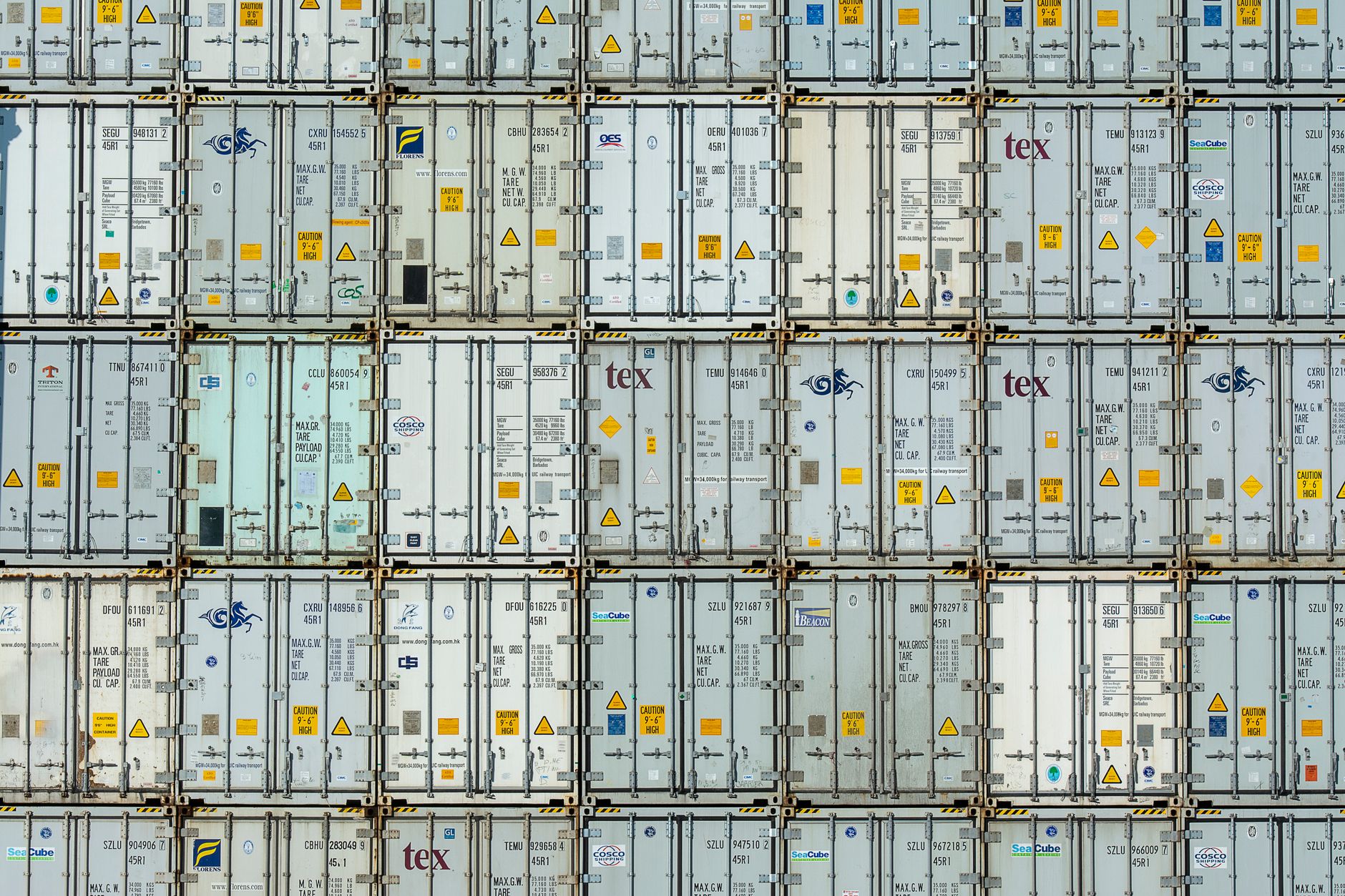
A shipping container lease trust pools ownership of standardized intermodal containers – the steel boxes that move roughly 90 percent of global manufactured goods – and generates income by leasing them to ocean carriers and logistics operators on multi-year contracts. The trust structure passes that lease revenue directly to investors, minus administrative fees, much like a real estate investment trust passes rental income to shareholders. Because containers are standardized assets with a global secondary market, they carry a liquidity profile that most private infrastructure instruments simply cannot match.
The yield is the draw, but the structure is the argument.
Why Pension Funds Are Paying Attention Now
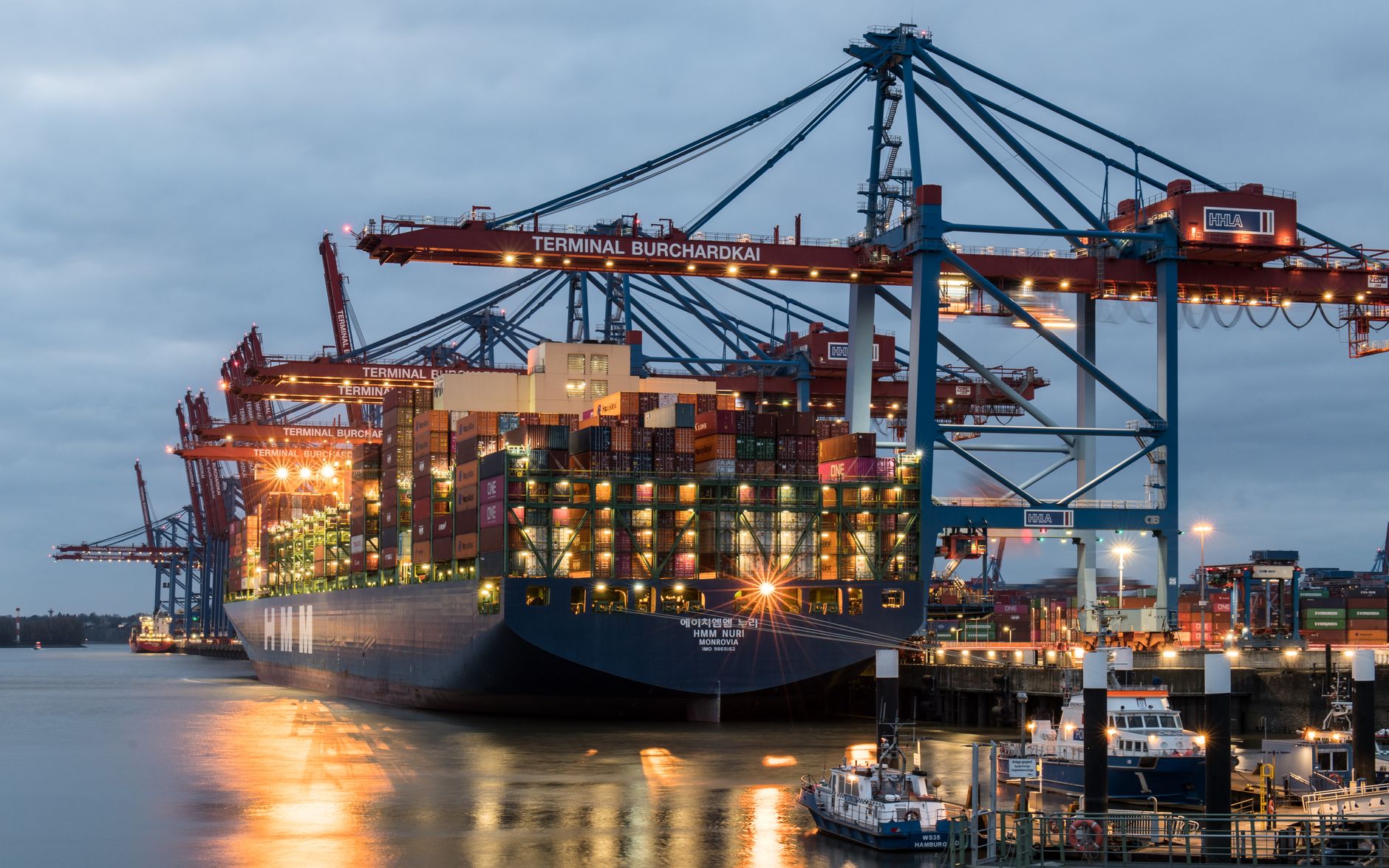
Pension funds face a specific mathematical problem: they carry long-dated liabilities to future retirees and must generate returns that keep pace with those obligations without taking on equity-level volatility. Fixed income at current yields helps, but not enough. Infrastructure debt fills part of the gap. Container lease trusts occupy a productive middle space – they carry characteristics of both asset-backed lending and real asset ownership, producing income streams that are contractually defined rather than market-dependent. A five-year container lease with a major carrier is not a bet on freight rates; it is a scheduled cash flow backed by a physical, movable asset that can be re-leased or sold if the counterparty defaults.
The counterparty risk question matters, and it is where skeptics have historically pushed back. Ocean carriers have a long and well-documented history of financial instability, and several major names filed for bankruptcy protection in the decade before 2020. What changed the calculus is the consolidation that followed. The top carriers now control a significantly larger share of global capacity than they did ten years ago, their balance sheets have strengthened considerably, and the container leasing market has moved toward longer-term agreements precisely because carriers prefer fleet predictability. That stability reduces the default exposure that made container leasing look speculative to conservative allocators.
There is also a depreciation story that institutional accountants find useful. Containers depreciate on a defined schedule – typically over twelve to fifteen years – which creates a tax-efficient income profile for certain types of pension fund structures. The trust holds the depreciation benefit and factors it into net distributions, meaning the effective yield to the fund is higher than the nominal lease rate suggests. This is not a loophole; it is a structural feature that has always existed in container finance and is only now being recognized by allocators who previously lacked the internal capacity to model it properly.

The Infrastructure Bracket and Where Containers Fit
Most pension funds that allocate to real assets operate within a defined infrastructure bracket – typically between 8 and 15 percent of total assets, depending on the fund’s risk policy and liability profile. That bracket has historically been dominated by toll roads, airports, utilities, and regulated pipelines. These assets are durable and defensible, but they are also expensive, heavily competed for by sovereign wealth funds and large endowments, and increasingly priced to reflect their scarcity value rather than their underlying economics. Container lease trusts enter that competition at a meaningful discount, partly because they lack the name recognition that drives premium pricing in core infrastructure markets. This pattern – where pension funds quietly accumulate positions in cold storage lease trusts and similar physical asset structures before mainstream pricing catches up – has repeated itself often enough that specialist allocators now treat it as a deliberate early-entry strategy.
The liquidity profile also differentiates container trusts from most infrastructure alternatives. A stake in a toll road concession is effectively illiquid for decades. Container lease trusts, by contrast, can be structured with defined redemption windows, secondary market provisions, or rolling maturities that give institutional investors a path to exit without requiring a full asset sale. For a pension fund that may need to rebalance its alternatives portfolio in response to liability shifts or board policy changes, that optionality is worth something concrete.
Duration matching is the underlying logic. Container leases typically run three to seven years, which aligns reasonably well with the medium-term liability horizon of a fund paying benefits to workers who are ten to fifteen years from retirement. A toll road or renewable energy project might run twenty-five to thirty years, which can create duration mismatch for funds that do not want to lock capital into a single asset for that long. Container trusts offer a shorter, renewable income horizon that pension investment committees find easier to defend to their boards and beneficiaries.
Allocation Mechanics and Deal Access
Getting into these structures is not as simple as buying a listed REIT. Most container lease trusts are structured as private placements, marketed through specialist freight finance intermediaries or infrastructure-focused placement agents. Minimum commitments vary, but they rarely fall below $25 million, which puts the entry point within reach of mid-size public pension funds but above the threshold of smaller municipal plans. The documentation is dense and requires in-house legal or advisory teams with maritime finance literacy – a prerequisite that has historically kept generalist allocators at a distance.
That barrier is eroding. Several asset managers with existing infrastructure platforms have begun packaging container lease exposure into commingled fund vehicles that handle the structuring, documentation, and ongoing asset management on behalf of institutional LPs. These vehicles carry higher fee loads than a direct trust investment, but they solve the access and operational problem for pension funds that lack dedicated freight finance staff. The tradeoff is real but acceptable to funds that prioritize simplicity in their alternatives programs.
The allocation sizes being deployed are still modest relative to total pension assets – typically between 1 and 3 percent of a fund’s real assets sleeve, rather than a headline position. But the direction of movement is consistent, and the funds moving earliest are not taking a passive view. They are negotiating preferred return thresholds, requesting waterfall structures that prioritize income over capital appreciation, and in some cases seeking co-investment rights on specific container fleets. That level of structural engagement is not the behavior of a fund making a tentative allocation; it is the behavior of a fund that has done the work and wants more of the exposure than a standard fund vehicle will give them.